






The Gut-Vegan Link
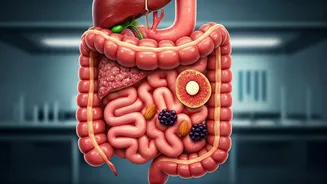
The human gut houses trillions of microorganisms, forming a complex ecosystem often referred to as the gut microbiome. This intricate community of bacteria,
fungi, viruses, and other microbes plays a pivotal role in various aspects of health, including digestion, immunity, and even mental well-being. A vegan diet, characterized by the exclusion of all animal products, inherently provides a different nutritional profile compared to diets that include meat, dairy, and eggs. This shift in nutrients—particularly the abundance of fiber, prebiotics, and various plant compounds—directly influences the composition and function of the gut microbiome. Studies have shown that individuals following vegan diets typically exhibit a more diverse gut microbiome, with a higher prevalence of beneficial bacteria. These beneficial bacteria thrive on the fiber found abundantly in plant-based foods, producing short-chain fatty acids (SCFAs) like butyrate, which have numerous health benefits. Furthermore, the absence of certain fats and animal proteins can alter the metabolic processes within the gut, potentially reducing inflammation and improving overall gut health. However, the exact impact varies depending on the individual, the specific foods consumed, and the overall dietary patterns.
Bacteria and Weight Loss
The gut microbiome's influence on weight management is a complex interplay of factors, largely revolving around how it processes food and extracts energy. Gut bacteria aid in the digestion of food, fermenting undigested carbohydrates and producing SCFAs. These SCFAs can influence appetite regulation, energy expenditure, and fat storage. Certain bacterial species, like those in the *Firmicutes* phylum, are often associated with increased energy extraction from food, which could potentially contribute to weight gain. Conversely, other bacterial species, such as some members of the *Bacteroidetes* phylum, are associated with a leaner body composition. The composition of the gut microbiome can vary significantly based on dietary choices. A diet rich in processed foods, unhealthy fats, and added sugars tends to promote an imbalance in gut bacteria, potentially favoring those that contribute to weight gain. In contrast, a plant-based, vegan diet can foster a healthier balance by increasing fiber intake, promoting the growth of beneficial bacteria, and potentially reducing inflammation. While the shift towards a vegan diet may not automatically guarantee weight loss, the changes in gut microbiome composition can create an environment more conducive to efficient metabolism and overall metabolic health, thereby supporting weight management efforts. However, other factors like the overall calorie intake, exercise, and individual metabolic rates also play a significant role in determining weight loss success.
Vegan Diet Strategies
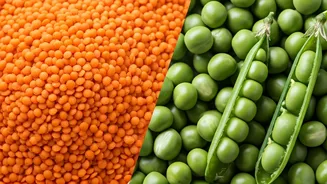
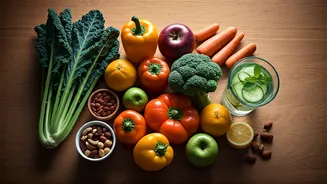
Adopting a vegan diet for potential weight loss necessitates a strategic approach. Simply removing animal products isn't enough; the quality and composition of the remaining food choices are paramount. Prioritizing whole, unprocessed plant-based foods is essential. This includes an abundance of fruits, vegetables, whole grains, legumes, nuts, and seeds. These foods are packed with fiber, which promotes satiety, aids digestion, and supports a healthy gut microbiome. Fiber-rich diets tend to promote fullness, making it easier to manage calorie intake. Careful meal planning is also crucial to ensure adequate intake of all essential nutrients, especially protein, iron, vitamin B12, vitamin D, calcium, and omega-3 fatty acids. Since these nutrients are less readily available in a vegan diet, it may be necessary to consume fortified foods or take supplements. Protein is a key nutrient for maintaining muscle mass, which helps boost metabolism, and a good protein intake also enhances satiety. Incorporating a variety of legumes (beans, lentils, and peas), tofu, tempeh, and seitan helps to meet protein requirements. Moreover, it is vital to be mindful of portion sizes and avoid excessive consumption of processed vegan foods like vegan meats and dairy alternatives, which can be high in calories, salt, and unhealthy fats. Regular physical activity, such as cardio and strength training, synergizes the effects of a healthy vegan diet and can enhance weight management efforts.
Potential Drawbacks Examined
While a vegan diet can offer several health benefits, including supporting weight loss, it's essential to be aware of potential drawbacks and how to mitigate them. One common challenge is ensuring adequate nutrient intake. Vegan diets may be naturally lower in certain nutrients like vitamin B12, iron, calcium, vitamin D, and omega-3 fatty acids. Vitamin B12 is primarily found in animal products, so vegans need to supplement, consume fortified foods, or use nutritional yeast. Iron absorption from plant sources (non-heme iron) can be less efficient than from animal sources (heme iron). To enhance absorption, it's wise to combine iron-rich foods with vitamin C-rich foods. Calcium, essential for bone health, can be obtained from plant sources like fortified plant-based milk, tofu, and leafy greens. Vitamin D may require supplementation, especially during the winter or in areas with limited sunlight. Omega-3 fatty acids, crucial for brain and heart health, are mainly found in fatty fish, but vegans can obtain them from flaxseed, chia seeds, and walnuts, or from algae-based supplements. Another potential issue is the risk of consuming highly processed vegan foods that are laden with sodium, added sugars, and unhealthy fats, which could counter the positive effects of a plant-based diet. Therefore, choosing whole, unprocessed foods and reading nutrition labels meticulously are crucial. Furthermore, individuals with pre-existing medical conditions or specific dietary requirements should consult a healthcare professional or a registered dietitian before making significant dietary changes to ensure the diet aligns with their health needs.
Long-Term Sustainability & Success
The long-term success of a vegan diet, particularly for weight loss, hinges on its sustainability and the development of healthy eating habits. A diet that is too restrictive or difficult to maintain is unlikely to yield lasting results. Therefore, focusing on creating a balanced and enjoyable plant-based eating plan is essential. This means finding vegan recipes that appeal to taste preferences, exploring diverse cuisines, and incorporating a variety of textures and flavors. Planning meals ahead of time can help stay organized and prevent impulsive, unhealthy food choices. Gradually transitioning to a vegan diet, rather than making drastic changes overnight, can make the process easier to adapt to. Building a support network of friends, family, or online communities can also provide encouragement and guidance. Regularly monitoring progress, tracking food intake, and adjusting the diet as needed can help ensure that dietary goals are met. It's also important to focus on overall lifestyle choices, including regular physical activity, adequate sleep, and stress management, as these factors contribute significantly to weight management and overall health. Success also necessitates being realistic and patient. Weight loss is rarely linear, and setbacks may occur. Learning from these experiences and making adjustments rather than giving up is critical. Lastly, remember that a balanced approach, incorporating nutrient-dense foods, mindful eating practices, and a sustainable lifestyle, is the key to achieving and maintaining a healthy weight on a vegan diet.