






Hydration & Protein Load
As temperatures soar, our bodies naturally lose more fluid through perspiration, increasing the risk of dehydration if we don't compensate by drinking
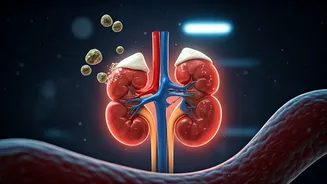
enough. Simultaneously, a diet rich in protein demands more work from our kidneys, as they must filter and excrete a greater volume of waste products, primarily urea. This dual challenge of heightened fluid loss and increased filtration burden means that during the summer months, our kidneys may be operating under considerable stress. Furthermore, consuming a high protein load can elevate uric acid levels and decrease urine acidity, creating an environment conducive to the formation of uric acid kidney stones, particularly when fluid intake is insufficient. When these factors converge with rigorous exercise and inadequate hydration, the potential for kidney strain and related issues intensifies throughout the hotter periods of the year.
Risks of Overconsumption
While moderate protein intake is generally considered safe for individuals with healthy kidneys, problems can escalate when consumption becomes excessive or is combined with other high-risk factors. Consuming multiple protein shakes daily, adhering to an already high-protein diet, using fat-burning supplements, engaging in strenuous exercise, or neglecting proper water intake can collectively elevate the danger. This potent mix significantly amplifies the likelihood of experiencing dehydration, developing kidney stones, and placing undue strain on renal function. The misconception that more protein automatically leads to superior fitness results is particularly prevalent among young enthusiasts who may not seek professional advice, often leading them to consume supplements containing added creatine, stimulants, sugars, or other unregulated ingredients that can further tax their kidneys.
Vulnerable Populations
Individuals with pre-existing kidney conditions, such as chronic kidney disease (CKD), or those managing other health issues like diabetes, high blood pressure, or obesity, need to exercise extreme caution with protein supplements. A history of kidney stones also warrants heightened vigilance. For those already diagnosed with CKD, excessive protein consumption can exacerbate existing problems, potentially worsening proteinuria, increasing the body's acid load, triggering uremic symptoms, and accelerating the decline in kidney function. It is crucial for these individuals to consult healthcare professionals before considering protein supplementation to avoid adverse effects on their renal health.
Recognizing Warning Signs
Paying attention to your body's signals is paramount, especially during hot weather and when consuming protein supplements. Symptoms such as persistent fatigue, unexplained swelling, a noticeable decrease in urine output, or the presence of dark-colored urine could indicate that your body is dehydrated or experiencing kidney stress. Additionally, experiencing muscle cramps, nausea, or pain in the flank area are further red flags. It is vital not to dismiss these warning signs, as ignoring them in high-heat conditions can significantly worsen the underlying issue, potentially leading to more severe health complications related to kidney strain and dehydration.
Achieving Balanced Intake
The most effective strategy for enjoying the benefits of protein shakes without compromising kidney health lies in striking a balance. Protein shakes should be viewed as a nutritional supplement to a well-rounded diet, not as a replacement for whole meals. Maintaining optimal hydration is absolutely critical, with particular emphasis on adequate fluid intake before and after any physical activity. When selecting supplements, opt for medically approved products and always avoid excessive consumption. Most importantly, consulting with a doctor or a registered dietitian before embarking on a long-term supplementation regimen is a prudent step to prevent potential complications and ensure your fitness goals align with your overall health and well-being.