





Digestive System's Pace
The digestive process, a symphony of enzymatic actions, is crucial for obtaining energy and nutrients. The speed at which food travels through this system—from
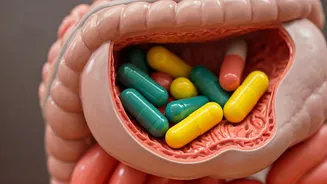
the initial bite to the final excretion—is influenced by various factors, including the vitamins your body takes in. These micronutrients don't just fuel biological functions; they're also deeply involved in digestion, making them indispensable. They affect the rate at which food is broken down, absorbed, and utilized throughout the body. The interaction of vitamins with digestive enzymes and other substances dictates how fast or slow this essential process occurs. Therefore, it is important to take good care of the vitamins you take every day, as they are key players in maintaining your health and wellbeing.
Vitamin B's Digestive Role
The B vitamins, a complex group of micronutrients, contribute significantly to digestive processes. They are water-soluble vitamins, meaning the body doesn't store them in significant quantities, necessitating their regular replenishment through the diet. Several B vitamins such as B1 (thiamine), B2 (riboflavin), B3 (niacin), and B6 (pyridoxine) are essential for converting food into energy, supporting the health of the digestive lining, and aiding in the efficient breakdown of carbohydrates, proteins, and fats. They act as coenzymes, assisting enzymes in their work, which impacts how quickly nutrients are processed. Vitamin B12, another vital component, ensures proper nerve function, and red blood cell formation, playing a role in the function of the digestive system indirectly. The right levels of B vitamins help maintain a healthy gut, prevent digestive discomfort, and allow the body to properly absorb and use nutrients.
Vitamin C's Contribution
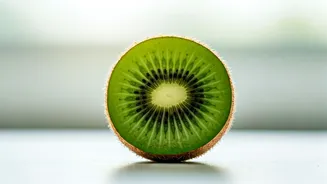
Vitamin C, a powerful antioxidant and crucial micronutrient, influences the speed of digestion in several ways. While vitamin C isn't directly involved in the breakdown of food, it helps maintain the health of the digestive tract, which supports efficient digestion. It contributes to the growth and repair of all body tissues and helps the body make collagen, an important protein used to make skin, cartilage, tendons, ligaments, and blood vessels. Vitamin C's antioxidant properties protect the digestive system from oxidative stress, enhancing the absorption of other nutrients and improving the digestive system's ability to maintain its optimal performance. It is important to know that proper Vitamin C intake helps to ensure the digestive system functions well, contributing to overall health and wellness. Therefore, including Vitamin C-rich foods in the diet can indirectly support the speed and efficiency of the digestive system.
Vitamin D's Impact
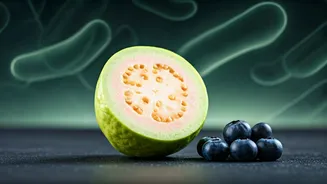
Vitamin D plays a surprising role in digestive health. This fat-soluble vitamin primarily supports bone health and immune function but also contributes to the regulation of digestive processes. Although not directly involved in breaking down food, Vitamin D assists in maintaining the gut microbiome, which affects digestion. Vitamin D helps to regulate the absorption of calcium and phosphorus. Also, Vitamin D contributes to the health of the intestinal lining, maintaining its integrity and helping to ensure the efficient absorption of nutrients. Low Vitamin D levels can be associated with an increased risk of inflammatory bowel diseases, indirectly affecting the speed and efficiency of digestion. Supplementing with vitamin D, after advice from a professional, may improve digestive health. Therefore, maintaining adequate Vitamin D levels supports overall digestive health, promoting better nutrient absorption and helping maintain a healthy gut.
Vitamin A's Influence
Vitamin A is essential for several functions, including digestion. This fat-soluble vitamin supports the health of the digestive tract lining, which plays a major role in nutrient absorption and overall digestive function. It aids in the production of enzymes and other substances needed for breaking down food. Vitamin A contributes to the repair and maintenance of the gut lining and helps to prevent inflammation, ensuring the digestive system works smoothly. A deficiency in Vitamin A can cause damage to the digestive tract and impair nutrient absorption, therefore slowing down the digestive process. A balanced diet with Vitamin A-rich foods supports good digestive health, helping to maintain a healthy gut and promote effective nutrient absorption. Vitamin A's multifaceted roles make it a critical factor in how efficiently your body digests and utilizes the nutrients from your meals.
Vitamin E's Antioxidant Action
Vitamin E, a powerful antioxidant, enhances the efficiency of digestion, though it is not directly involved in the digestive process. This fat-soluble vitamin protects the digestive tract from oxidative stress, which can affect the absorption of nutrients. Vitamin E helps the body absorb other vitamins that are beneficial for digestion, like Vitamin A and vitamin K. By protecting the digestive tract from the damage caused by free radicals, Vitamin E helps ensure that the digestive system can function smoothly. It helps to prevent inflammation and support the overall health of the digestive tract. Eating Vitamin E-rich foods is a good way to improve digestive health. Including Vitamin E in your daily diet, along with the other vitamins, helps promote efficient digestion and nutrient absorption, which is essential for maintaining overall health and well-being.