









A Vital Health Directive
Prime Minister Narendra Modi has initiated a significant public health campaign, urging all Indian households to decrease their cooking oil usage by a minimum
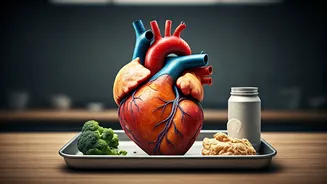
of 10 percent. This directive, first announced on Independence Day, is a direct response to the alarming surge in obesity and lifestyle-related ailments gripping the nation. While the Prime Minister's appeal also serves broader economic goals, such as lessening India's substantial import dependency for edible oils, health professionals are championing it as a permanent lifestyle alteration. They highlight that excessive consumption of edible oils, particularly those rich in saturated and trans fats, is a primary driver of serious non-communicable diseases (NCDs) including heart conditions, type 2 diabetes, and obesity, which collectively account for a significant portion of India's mortality rates. Experts underscore that this reduction is not merely a temporary health tip but a crucial societal responsibility for safeguarding national well-being.
Statistics Paint Grim Picture
The health challenges posed by dietary habits are starkly illustrated by current statistics. India currently holds the unenviable position of second globally for the highest number of overweight and obese children, with projections indicating that up to 56 million children could be affected by 2040 if present trends persist. Furthermore, the International Diabetes Federation reports that India has nearly 90 million adults diagnosed with diabetes, a figure expected to skyrocket to a staggering 156.7 million by 2050. The prevalence of hypertension is also widespread, affecting over one in four individuals, with a majority experiencing uncontrolled condition despite diagnosis or treatment. Compounding these issues, cardiovascular diseases (CVDs) stand as the leading cause of death in India, responsible for approximately 28 percent of all fatalities and a significant 45 percent of deaths attributed to NCDs. These numbers underscore the urgency of adopting healthier dietary practices to curb the escalating burden of these chronic diseases.
Healthier Cooking Habits
To mitigate the risks associated with high oil consumption, experts recommend several practical strategies for healthier eating. Limiting edible oil intake to approximately 3 to 4 liters per month for an average family of four is a key recommendation that can profoundly improve cardiac health. While refined oils are not inherently detrimental, their excessive use and repeated heating can increase the intake of unhealthy fats and contribute to inflammation. For traditional Indian cooking, mustard oil is considered beneficial due to its suitable fatty acid profile for high-heat preparations. Olive oil is suggested for lighter uses like salads and gentle sautéing, while sunflower oil should be consumed in moderation and alternated with other oils. Beyond oil selection, adopting alternative cooking methods like air frying, steaming, roasting, and grilling can drastically cut down on excess calorie and fat consumption, promoting better overall health and well-being.