






Volume Eating Explained
The volume-eating diet focuses on the concept of eating a large quantity of food that is low in calories. It aims to help people feel full while consuming
fewer calories overall. The primary focus is on choosing foods that are naturally high in water and fiber content, which contributes significantly to their volume. This includes fresh produce like fruits and vegetables, which are often the stars of this eating style. Additionally, foods like air-popped popcorn, which contains a good amount of volume for relatively few calories, can be included in the diet. This dietary strategy allows individuals to manage their hunger and cravings more effectively while simultaneously creating a calorie deficit, which is crucial for weight loss. The key is to prioritize whole, unprocessed foods and to be mindful of portion sizes, even with high-volume options. Ultimately, it’s about making smart food choices that support your body’s needs without feeling deprived or overly restricted.
The Core Principles
Central to the volume-eating approach are a few guiding principles. The first is to consume a significant amount of food, predominantly those with a high water or fiber content, to increase satiety. This means choosing options like leafy greens, which take up a lot of space in the stomach without contributing many calories. Another principle involves careful planning and preparation of meals and snacks. It is beneficial to have readily available, pre-portioned, high-volume foods to prevent impulsive food choices. It is also important to pay attention to food combinations, such as pairing lean proteins with vegetables to create satisfying, calorie-controlled meals. Additionally, it is important to choose minimally processed foods over those that have had ingredients added. These are often denser in calories and less filling. Furthermore, it is very important to drink plenty of water throughout the day. Water contributes to the feeling of fullness and assists in overall metabolic function. Following these core guidelines helps ensure you consume fewer calories without feeling hungry.
Food Group Focus
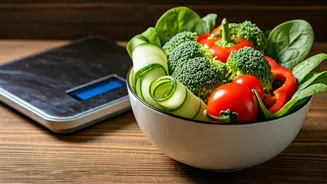
The volume-eating diet prominently features specific food groups that are crucial for success. Fruits and vegetables are at the top, offering high water and fiber content for fewer calories. These include berries, which are nutrient-rich and low in calories, and non-starchy vegetables like broccoli and spinach. Legumes, such as lentils and beans, are excellent sources of both fiber and protein, contributing to a feeling of fullness. They also support stable blood sugar levels. Lean proteins, like grilled chicken and fish, are important additions. Proteins contribute to satiety and help maintain muscle mass. Whole grains, while not as low in calories as fruits and vegetables, can be incorporated in moderation. Options like oatmeal and quinoa provide fiber and nutrients while adding volume to meals. Healthy fats, such as those found in avocados, should be consumed in moderation as part of a balanced diet. It's essential to keep an eye on portion sizes to ensure calorie control is maintained. It is very important to balance the intake of these food groups to ensure that the body gets all the required nutrients and stays energized.
Meal Planning Strategies
Successful adherence to the volume-eating diet often depends on how well you plan meals. A smart approach involves creating a weekly meal plan that incorporates high-volume, low-calorie foods. This plan should include a variety of fruits, vegetables, lean proteins, and whole grains. Preparation is also a key factor; this can include washing and chopping vegetables in advance, portioning out snacks, and preparing meals ahead of time. Always carry healthy snacks, such as fruits, vegetables, or small portions of nuts, to avoid unhealthy impulse choices. Another useful tip is to learn about proper portion sizes, especially when it comes to denser foods. Using smaller plates can visually influence how much you eat, encouraging you to select larger portions of low-calorie options. Additionally, experimenting with various recipes and cooking methods, such as grilling, steaming, or using spices, can add diversity and enjoyment to your meals. Finally, be flexible with your meal plan to accommodate social events or changing tastes, and be patient while you find your rhythm.
Sample Meal Ideas
Creating meal ideas can make implementing the volume-eating diet much easier. For breakfast, consider a large bowl of oatmeal made with water or unsweetened almond milk, topped with berries and a sprinkle of nuts. This option offers a high volume of fiber and nutrients without a significant calorie load. For lunch, you could enjoy a large salad filled with leafy greens, colorful vegetables, grilled chicken or fish, and a light vinaigrette. Dinner could consist of a large portion of steamed vegetables, such as broccoli and carrots, with a serving of lean protein and a small portion of quinoa or brown rice. Snacks may include a piece of fruit, a handful of raw vegetables with hummus, or air-popped popcorn. When creating meals, it’s important to focus on combining high-volume foods with lean proteins to maximize satiety. Adding lots of herbs and spices is a great way to flavor meals without adding extra calories or sodium. Be mindful of portion sizes to keep the calorie count under control. These food options provide examples of how you can eat more while consuming fewer calories, all while enjoying the food you eat.
Avoiding Pitfalls
Avoiding common pitfalls is important for long-term success on the volume-eating diet. A primary concern is excessive consumption of processed foods, even if they claim to be low-calorie. Many processed foods contain added sugars, sodium, and unhealthy fats, which can hamper weight loss. Consuming too many high-calorie, low-volume foods, such as nuts or avocado, without controlling portion sizes, can also create a calorie imbalance. In addition, neglecting to drink enough water can be a challenge. Water assists in promoting fullness, and staying well-hydrated is important for maintaining optimal metabolic function. Failing to plan meals and snacks is another hurdle. Without proper planning, there's an increased chance of making less healthy choices when hunger strikes. Being overly restrictive can also lead to failure. It is important to find a balanced approach that supports your eating style. Lastly, not paying attention to portion sizes, even with healthy foods, can impede progress. Tracking your food intake, at least initially, is very important to keep on track and avoid unwanted foods.
Exercise Integration
Incorporating exercise into a volume-eating regimen can improve overall results. Regular physical activity supports weight loss and improves overall health and well-being. A combination of cardiovascular exercises, like running, swimming, or brisk walking, is important for burning calories and improving heart health. Resistance training, like weightlifting or bodyweight exercises, helps build and preserve muscle mass, which can increase metabolism. It is important to plan the exercises into your routine on most days of the week, with a mix of different types of activities. Make sure to consult with a healthcare professional before starting any new exercise routine, especially if you have any existing health conditions. It's also important to listen to your body and give it adequate rest and recovery time. The combination of dietary changes and physical activity is the best way to support long-term weight management. The most important thing is to find activities you enjoy so you can stick with them long-term.
Long-Term Sustainability
Achieving long-term sustainability with the volume-eating diet requires several strategies. Prioritizing consistency is crucial, since maintaining a regular eating pattern that focuses on high-volume, low-calorie foods is very important. Developing healthy habits and integrating them into your lifestyle is essential. Focus on gradual, sustainable changes rather than seeking rapid weight loss, as this approach is often more effective in the long run. Continually learning and adapting your eating patterns based on how your body reacts to the changes can help in the long run. Seeking support from friends, family, or a registered dietitian can provide encouragement and accountability. Celebrating small milestones and successes can help in maintaining motivation. Remember that weight loss is a journey, and occasional setbacks are normal. Embrace a flexible mindset and adjust your approach as needed to ensure that it aligns with your preferences and lifestyle. With consistency and a long-term approach, it is definitely possible to achieve your weight management goals.