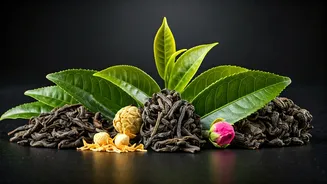







Green Tea Concerns
Some individuals may experience sensitivities or adverse reactions to green tea. These issues may stem from caffeine, tannins, or other compounds present
in the tea leaves. Reactions can vary widely, with some experiencing mild discomfort and others more severe symptoms. Understanding these potential challenges allows people to explore tea options that best suit their bodies and preferences. Several factors play a role in how a person responds to green tea; the aim is to find alternatives that provide similar benefits without negative consequences.
Caffeine's Impact
Caffeine is a stimulant that can trigger adverse effects in sensitive individuals. Green tea contains caffeine, albeit less than coffee, which can still lead to anxiety, insomnia, or increased heart rate. Those sensitive to caffeine should be cautious when consuming green tea, especially in larger quantities or late in the day. Such individuals may want to consider lower-caffeine teas or caffeine-free herbal infusions. It is crucial to determine if caffeine is the root of the problem by observing how the body responds to each type of tea.
Tannins & Digestion
Tannins, naturally found in green tea, can sometimes cause digestive issues. They can bind to proteins in the digestive tract, potentially leading to nausea, stomach upset, or constipation. For those prone to such issues, the high tannin content might be irritating. To minimize this effect, consider brewing green tea at a lower temperature or for a shorter time, which can reduce the tannin extraction. Alternatively, looking for teas with fewer tannins might alleviate problems and create a more comfortable experience.
Alternative Teas: Chamomile
Chamomile tea stands out as an excellent caffeine-free option. Celebrated for its calming properties, chamomile can help soothe the mind and promote relaxation. Its gentle, floral flavor makes it a pleasant choice, particularly for those who find green tea stimulating. It has mild sedative effects, making it ideal for the evening. Drinking chamomile tea can be a soothing way to wind down and unwind after a busy day. Chamomile is also known for its potential to help with digestion, offering relief from stomach discomfort, which makes it ideal for individuals with digestive sensitivities.
Alternative Teas: Peppermint
Peppermint tea is another refreshing alternative. Its vibrant, minty flavor is refreshing and can aid digestion. It can also help soothe digestive issues like bloating and gas. Peppermint tea has a naturally cool effect, and is therefore a refreshing choice, particularly on warm days or after heavy meals. It's caffeine-free, making it a good selection for any time of day, offering a revitalizing experience with none of the stimulants of green tea.
Alternative Teas: Ginger
Ginger tea provides a warm, spicy flavor with potential health benefits. Ginger is renowned for its anti-inflammatory and nausea-reducing properties. This makes it a great choice for individuals seeking to ease digestive issues or alleviate travel sickness. It's a comforting drink that provides warmth and soothing relief. Ginger tea's ability to help with nausea and other stomach problems makes it especially suitable for those prone to digestive upsets or those looking for a flavorful, healthful tea choice.
Alternative Teas: Rooibos
Rooibos tea, originating from South Africa, is caffeine-free and rich in antioxidants. This tea has a mild, slightly sweet flavor. It is a good option for those seeking a beverage with potential health benefits and a gentle taste. Rooibos contains antioxidants that can contribute to overall well-being. It is a pleasant alternative that provides health advantages without the caffeine that is present in some other teas. Its delicate flavor profile also makes it a versatile beverage that can be enjoyed at any time of day.
Customizing Your Tea
Regardless of which tea you choose, customizing your tea can enhance your drinking experience. Experiment with different brewing times and water temperatures to find what tastes best for you. Adding lemon or honey can also make your tea more enjoyable and even add extra health benefits. Using herbs such as mint or spices like cinnamon can further customize your tea and boost the flavor. These simple adjustments can make each tea option suit your particular tastes and help you create the perfect cup of tea.
Listen to Your Body
The most important aspect of choosing tea is to listen to your body and notice how it responds to different teas. If you experience negative reactions to a particular type of tea, try another one or consult a healthcare professional. Everyone's body is unique, and what works for one person might not be the right choice for another. This practice allows you to find tea options that will not only please your palate, but also support your health and well-being. By being attentive to your body's signals, you can enjoy a more positive tea experience.