






The Thermal Threat
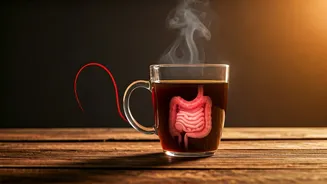
It’s not the beverage itself, but its extreme heat that raises concerns. Organizations like the International Agency for Research on Cancer have categorized
drinks consumed above 65°C (149°F) as 'probably carcinogenic to humans.' This classification stems from the understanding that repeated exposure to scalding liquids can inflict cumulative damage upon the delicate lining of the esophagus. Evidence from a significant meta-analysis, encompassing over 42,000 individuals and published in BMC Cancer, revealed a pronounced association between consuming very hot foods and beverages and an escalated risk of esophageal cancer, with an overall increase estimated around 82%. Further reinforcing these findings, a recent prospective cohort study utilizing UK Biobank data, published in the British Journal of Cancer, once again highlighted the link between frequent consumption of extremely hot drinks and a heightened likelihood of developing esophageal cancer.
Inside the Esophagus
The physiological impact of ingesting very hot liquids is straightforward yet concerning. Each instance of consuming scorching beverages inflicts thermal injury on the esophagus's sensitive inner surface. This repeated trauma can instigate a cascade of detrimental changes over time, including the development of chronic inflammation, a heightened rate of cell turnover, and consequently, a greater susceptibility to abnormal cell growth. This cumulative cellular stress creates an environment within the esophagus that becomes more conducive to the initiation and progression of cancerous development. It’s a gradual process where persistent irritation sets the stage for more serious health implications.
The Role of Heartburn
Beyond the heat of your drink, persistent heartburn or acid reflux plays a crucial role. When stomach acid frequently flows back into the esophagus, it causes chronic irritation. This prolonged exposure to acid is a known risk factor for a precancerous condition called Barrett’s esophagus, which significantly elevates the risk of developing esophageal adenocarcinoma. Research published in Gastroenterology in 2014 strongly linked long-term gastroesophageal reflux disease (GERD) with an increased incidence of this specific type of esophageal cancer. When the effects of thermal damage from hot beverages and chemical irritation from acid reflux are combined, the overall risk to the esophagus can be amplified, underscoring the importance of addressing both factors for long-term esophageal health.
Reducing Your Risk
Fortunately, safeguarding your health doesn't necessitate abandoning your beloved warm beverages. Embracing a few simple adjustments can make a substantial difference. Experts widely recommend allowing hot drinks to cool down for a few moments before taking a sip, thereby reducing the thermal intensity. It's also advisable to avoid habitually consuming liquids that are exceptionally hot. Furthermore, proactive management of heartburn symptoms is essential; if you experience frequent acid reflux, seeking professional medical advice is crucial for effective treatment. Even a brief pause before your first sip can significantly mitigate the risks associated with very hot drinks, allowing you to enjoy your daily ritual with greater peace of mind.