





Mastering Sodium
For individuals living with Chronic Kidney Disease (CKD), controlling sodium intake is paramount. Excessive salt consumption leads to fluid retention,
which in turn elevates blood pressure. This sustained high pressure acts as a damaging force on the delicate kidney filters, accelerating their decline. Experts strongly advocate for reducing sodium as a cornerstone strategy to alleviate pressure on the kidneys and mitigate fluid accumulation. Opting for home-cooked meals seasoned with fresh herbs and spices instead of processed salts offers a flavorful yet safer alternative, contributing to stable fluid levels and reduced overall bodily strain.
Balancing Protein
Protein management in CKD presents a complex challenge. While vital for maintaining muscle mass, protein metabolism generates urea, a waste product. Healthy kidneys efficiently clear urea, but impaired kidneys struggle, placing undue stress on their remaining functional capacity and hastening damage. Shifting towards plant-based protein sources is often recommended as they are generally easier for the body to process compared to high-phosphorus animal proteins. It's crucial to note that this recommendation may not apply to individuals undergoing dialysis, as they typically require increased protein to offset losses during treatment.
Potassium Prudence
Potassium is essential for nerve and muscle function, but elevated levels in CKD patients can be perilous. When damaged kidneys fail to excrete excess potassium, it can disrupt the heart's electrical signals, potentially leading to dangerous arrhythmias or even sudden cardiac arrest. Many seemingly healthy foods, such as bananas and potatoes, contain significant amounts of potassium, necessitating careful dietary vigilance. Consulting a doctor is advised, as they may suggest specific cooking methods like leaching or boiling vegetables in ample water to reduce their potassium content before consumption, a critical step in preventing life-threatening cardiac complications.
Phosphorus Protection
Maintaining appropriate phosphorus levels is critical because compromised kidneys are less effective at filtering this mineral. While naturally present in foods like dairy and beans, the phosphorus from artificial additives in processed items poses a greater threat, as it's nearly completely absorbed by the body. This leads to a surge in blood phosphorus, prompting the body to draw calcium from bones, increasing the risk of osteoporosis. Furthermore, excessive phosphorus can deposit in blood vessels, causing them to stiffen and elevate heart disease risk. Prioritizing whole, unprocessed foods and scrutinizing ingredient labels for hidden additives is essential for protecting both bone and cardiovascular health.
Fluid Management
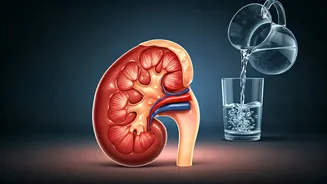
A core function of healthy kidneys is to expel excess liquid from the body. In individuals with CKD, this capability is diminished, often resulting in fluid accumulation and swelling in the extremities like the legs and arms. Consuming too much fluid can also exacerbate high blood pressure, placing considerable strain on the heart. Therefore, adhering to a doctor-prescribed daily fluid intake limit is not just advisable but vital for managing the condition and preventing further complications.
Heart-Healthy Fats
The heart and kidneys share a symbiotic relationship, with the heart circulating blood filtered by the kidneys. When kidneys are compromised, the heart works harder, and toxins can accumulate in the blood, contributing to chronic inflammation. Dietitians recommend avoiding saturated fats found in butter, fried foods, and fatty meats, as these can lead to cholesterol buildup in blood vessels, impeding blood flow. Conversely, incorporating heart-healthy fats from sources like avocados, nuts, and olive oil promotes smoother circulation and supports cardiovascular well-being, indirectly benefiting kidney health.
Adequate Calorie Intake
For CKD patients, skipping meals is a significant risk due to the already taxed state of their kidneys. Insufficient caloric intake forces the body to break down its own muscle tissue for energy, leading to malnutrition, muscle wasting, and a faster decline in kidney function. Furthermore, poor nutrition can result in profound fatigue, a weakened immune system, and dangerous nutrient imbalances. Healthcare professionals encourage individuals with CKD to consume nutrient-dense foods to ensure the body has sufficient energy to maintain strength and cope effectively with the demands of the disease.