




Chia Seeds' Popularity
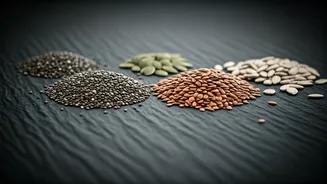
Chia seeds, once a lesser-known food, have skyrocketed in popularity. They are embraced by health enthusiasts and nutritionists worldwide. This surge in popularity is rooted
in their impressive nutritional profile, which includes essential nutrients like omega-3 fatty acids, fiber, protein, and antioxidants. These components contribute to a range of health benefits, such as improved heart health, better digestion, and sustained energy levels. Consequently, chia seeds have become a staple in various diets, from weight-loss plans to vegetarian and vegan lifestyles. Their versatility makes them an excellent addition to smoothies, salads, yogurt, and even baked goods. Despite these advantages, it is important to be aware of certain considerations, especially for specific groups, to fully leverage the health benefits of chia seeds.
Digestive System Concerns
One of the primary areas where chia seeds can cause issues is the digestive system. Because chia seeds are exceptionally high in fiber, they can lead to digestive discomfort for some people. When consumed in large amounts or by individuals not accustomed to a high-fiber diet, chia seeds might cause bloating, gas, and abdominal pain. The high fiber content absorbs a significant amount of water, which can potentially lead to constipation if sufficient hydration is not maintained. Furthermore, people with existing digestive disorders, such as irritable bowel syndrome (IBS) or Crohn’s disease, may experience a worsening of their symptoms. These conditions often involve heightened sensitivity to dietary fiber, and the addition of chia seeds could exacerbate these pre-existing issues. For anyone considering adding chia seeds to their diet, it is recommended to start with small portions and increase the intake gradually to allow the digestive system to adjust. Also, drinking plenty of water will help to reduce the risk of digestive problems.
Risk of Choking Hazard
Another critical concern regarding chia seeds involves the risk of choking, particularly for specific demographics. Chia seeds have the ability to absorb a significant amount of liquid, expanding considerably when exposed to water or other fluids. This characteristic can present a hazard for those who have difficulty swallowing, such as the elderly or individuals with dysphagia. The expanded seeds might block the airway if not consumed carefully, leading to choking. Young children should also be supervised when consuming chia seeds. Their small size and potentially underdeveloped swallowing coordination put them at an increased risk. To mitigate the choking hazard, it is best to thoroughly soak chia seeds before consumption, allowing them to fully absorb the liquid and soften. It is also important to eat them slowly and in small amounts, making certain that they are well-chewed. Those with swallowing issues should take extra precautions.
Interactions with Medications
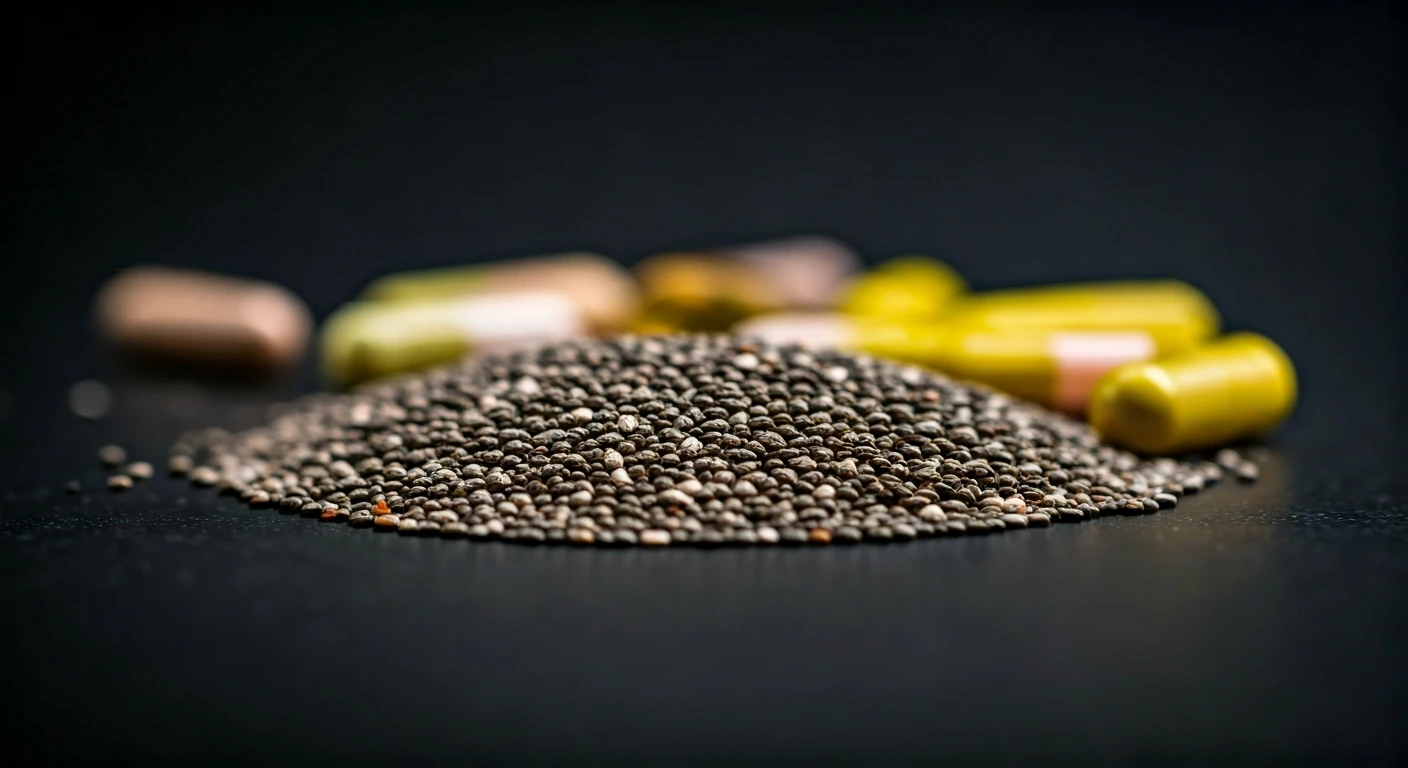
Individuals taking certain medications should also be mindful of their chia seed intake, as potential interactions could occur. Chia seeds may interact with blood-thinning medications, such as warfarin, because of their high omega-3 fatty acid content. Omega-3s have been known to have blood-thinning effects, which could amplify the medication’s action, increasing the risk of bleeding. Similarly, chia seeds may interact with blood pressure medications. If a person is on medications to lower blood pressure, chia seeds could further reduce blood pressure levels, potentially leading to dizziness, lightheadedness, or other complications. Anyone on medications, especially those mentioned above, should consult with their doctor before significantly increasing their chia seed consumption. Medical advice can help to assess the potential risks and to make suitable dietary adjustments to ensure safety.
Allergic Reactions to Chia
While relatively uncommon, allergic reactions to chia seeds can occur. Some individuals may experience an allergic response that manifests as skin rashes, itching, hives, or swelling. In more severe cases, allergic reactions can trigger symptoms like difficulty breathing or anaphylaxis, which is a life-threatening condition requiring immediate medical intervention. If you experience any of these symptoms after eating chia seeds, it's essential to seek medical attention promptly. If you suspect an allergy, undergoing allergy testing can help confirm the reaction and provide guidance on avoiding chia seeds in the future. Those with known allergies to other seeds or plants might be at a higher risk of developing a chia seed allergy.
Chia Seeds and Diabetes
People with diabetes should also be aware of how chia seeds could affect their blood sugar levels. Chia seeds are known for their ability to slow down the absorption of sugar in the body, which can help in stabilizing blood sugar levels. This is beneficial for those managing diabetes, as it can prevent blood sugar spikes after meals. However, it is essential to monitor blood sugar closely when incorporating chia seeds into a diabetic diet. If an individual is taking diabetes medications, chia seeds could increase the risk of hypoglycemia (low blood sugar). Healthcare professionals should guide individuals with diabetes. They can help adjust medication dosages or offer dietary recommendations to ensure blood sugar levels remain within a healthy range.
Pregnancy and Breastfeeding
When pregnant or breastfeeding, it's wise to approach chia seeds with caution. Limited research specifically investigates the effects of chia seeds on pregnant or breastfeeding women. While chia seeds are usually safe, some potential considerations exist. The high fiber content could cause digestive issues, which can be uncomfortable during pregnancy. Furthermore, the blood-thinning properties of chia seeds, due to their omega-3 content, may be a concern in late pregnancy or during labor. In such instances, consulting a healthcare professional is crucial. They can assess the individual’s health status, provide guidance on appropriate chia seed intake, and ensure that it aligns with the safety and well-being of both the mother and the baby. It is recommended to follow a doctor’s advice to avoid any possible complications.
Moderation and Balanced Diet
Regardless of health status, the key to incorporating chia seeds into your diet is moderation and balance. Rather than relying heavily on chia seeds as a primary food source, consider them as a supplementary addition to a varied and well-rounded diet. Overconsumption of any single food, including chia seeds, can disrupt the balance of nutrients and potentially cause adverse effects. Start with a small amount, such as one to two tablespoons per day, and observe how your body responds. Combine chia seeds with other nutrient-rich foods, like fruits, vegetables, whole grains, and lean proteins, to ensure you are receiving a wide array of essential nutrients. Drinking an adequate amount of water is also very important, especially when consuming chia seeds, as this helps prevent digestive problems and supports overall health. A balanced dietary approach ensures you get the benefits of chia seeds while minimizing potential risks.