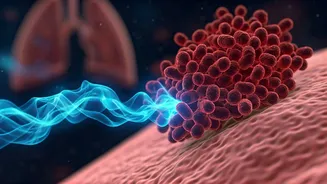




Sweetener's Brain Barrier Breach
Erythritol, a widely used sugar alcohol found in numerous food products from protein bars to energy drinks, is now under scrutiny for its potential link
to stroke risk. While often promoted as a healthier choice compared to sugar, recent laboratory investigations propose that this sweetener could compromise the integrity of the blood-brain barrier. This crucial barrier acts as the brain's guardian, selectively allowing essential nutrients to pass while preventing harmful substances from entering. The study's findings suggest that when this protective layer is damaged, the brain becomes more vulnerable to serious cardiovascular events, including strokes, adding a layer of concern to its widespread consumption.
Cellular Stress and Damage
The latest research involved exposing cells that constitute the blood-brain barrier to erythritol levels comparable to those found after consuming a beverage sweetened with it. The results indicated a significant cascade of cellular damage. Researchers observed that erythritol induced intense oxidative stress, essentially overwhelming the cells with unstable molecules known as free radicals. Simultaneously, it appeared to diminish the body's inherent antioxidant defenses. This dual assault on cellular health weakened normal cell functions and, in some instances, led to cell death. Such damage to the blood-brain barrier is particularly concerning, as its compromised state can elevate the risk of neurological injury due to increased susceptibility to circulating toxins.
Blood Flow Regulation Disrupted
Further alarming findings from the study focused on erythritol's impact on the regulation of blood flow within blood vessels. Healthy vessels naturally adjust their diameter—expanding to increase blood and oxygen supply when needed and constricting when demand is lower. This dynamic process is controlled by a delicate interplay between nitric oxide, which promotes vessel relaxation, and endothelin-1, which causes constriction. The research indicated that erythritol interferes with this balance by reducing nitric oxide production while simultaneously increasing endothelin-1 levels. This imbalance leads to blood vessels remaining constricted for extended periods, potentially impeding blood flow to critical areas like the brain. Such vascular dysfunction is a recognized precursor to ischemic stroke, the most prevalent type of stroke resulting from blocked arteries.
Clotting Defense Interference
Perhaps the most striking revelation from the study was how erythritol might interfere with the body's natural mechanisms for preventing blood clots. Under normal physiological conditions, cells release tissue plasminogen activator, a substance that acts as the body's natural 'clot buster,' aiding in the dissolution of clots before they can cause harm. The study's findings suggest that erythritol could disrupt this vital protective process, potentially allowing clots to persist and lead to damage. This adds to existing human studies that have observed a correlation between higher blood levels of erythritol and an increased risk of cardiovascular events, with one study noting individuals with the highest erythritol levels being nearly twice as likely to experience a heart attack or stroke.
Sweetener's Popularity and Caution
Erythritol enjoys a unique position in the sweetener market. Classified as a sugar alcohol, it has not been subject to recent World Health Organization advisories against artificial sweeteners for weight management. Its sweet taste, akin to sugar, has made it a favored ingredient in products marketed as "keto-friendly" and sugar-free. However, despite these research findings, scientists caution that these experiments were conducted on isolated cells, not on complete blood vessels, and thus more extensive studies using models that better mimic human physiology are required to definitively confirm these potential risks.