



Preservatives: The Background
Food preservatives, though often unseen, play a crucial role in modern food processing. Their primary purpose is to extend shelf life, inhibit microbial
growth, and maintain the food's appearance and texture. These substances come in various forms, including antioxidants, which prevent fats from becoming rancid; antimicrobials, which fight bacteria and mold; and other additives that contribute to the overall preservation of food products. While they are rigorously tested and regulated, emerging research raises questions about their long-term effects on human health. For example, some preservatives are linked to allergic reactions in sensitive individuals, such as sulfites, used to prevent browning in fruits and vegetables, and benzoates, commonly added to soft drinks and fruit juices to inhibit the growth of yeast, mold, and bacteria. The use of preservatives has expanded dramatically over the past century, mirroring the rise of processed foods. Their widespread adoption has transformed food systems, enabling longer storage, transport over greater distances, and convenience for consumers. However, this has also led to heightened scrutiny of their safety profile and the potential for cumulative health impacts.
Cancer and Food
The relationship between food preservatives and cancer is an area of ongoing scientific investigation. Some preservatives have come under scrutiny due to their chemical structures and potential interactions with the body. Nitrites and nitrates, used to cure meats like bacon and sausages, are a specific concern. When these substances are heated at high temperatures or come into contact with the stomach acids, they can form nitrosamines. Nitrosamines are recognized carcinogens, and their presence in processed meats has prompted concerns. Studies examining populations with high consumption of processed meats have shown an increased risk of certain cancers, which highlights the need for careful evaluation of preservative usage. Another area of concern is the use of artificial food colorings and flavorings, some of which may contain impurities that could be carcinogenic. Though regulatory bodies like the Food and Drug Administration (FDA) and Food Safety and Standards Authority of India (FSSAI) set safety limits for these additives, ongoing research continues to assess potential long-term risks. Furthermore, the complexity of the issue is amplified by the fact that the effects of individual preservatives can vary widely depending on the type of food, the concentration of the preservative, and the individual's overall health and genetics.
Type 2 Diabetes Risk
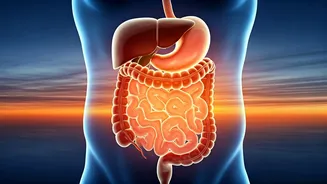
Emerging studies also explore the potential link between food preservatives and the development of type 2 diabetes. The mechanisms at play are intricate and involve how these chemicals might influence metabolic processes. Some preservatives have been shown to impact insulin sensitivity and glucose metabolism, which are key factors in diabetes. Certain preservatives could disrupt the gut microbiome, which affects how the body processes carbohydrates and responds to insulin. A disturbed gut microbiome can contribute to inflammation and insulin resistance, escalating the risk of type 2 diabetes. Certain food preservatives might affect how the body uses energy by interfering with metabolic pathways, which leads to increased blood sugar levels and insulin resistance. Additionally, studies suggest a potential relationship between exposure to certain preservatives, like high-fructose corn syrup (HFCS), often added to processed foods, and increased insulin resistance. Excessive consumption of HFCS has been linked to obesity and metabolic syndrome, known risk factors for type 2 diabetes. The potential for these preservatives to interfere with metabolic processes underscores the necessity for more research in this area to understand the full scope of these effects on human health.
Making Informed Choices
Understanding the potential risks associated with food preservatives can help consumers make choices that promote their health. Reading food labels carefully is a crucial first step. Identify preservatives by looking for the ingredients listed and learn the names of common additives and their functions. Choosing whole, unprocessed foods like fresh fruits, vegetables, and lean proteins is one effective approach to limit exposure to preservatives. Cooking at home more often gives you greater control over ingredients and minimizes reliance on processed foods. Opting for fresh, homemade meals allows you to avoid additives that might be present in packaged products. When purchasing packaged foods, prioritize products with fewer ingredients and those that are minimally processed. Consider choosing foods preserved using traditional methods like fermentation or pickling, which often do not require chemical preservatives. Additionally, consider the source of your food. Purchasing locally sourced products often means shorter transportation times and fewer needs for preservatives. By adopting these strategies, individuals can reduce their exposure to food preservatives and take control of their dietary habits for a healthier lifestyle.