



Why Cholesterol Matters
Elevated cholesterol levels pose a substantial threat to overall well-being. This condition often develops without noticeable symptoms in its initial stages,
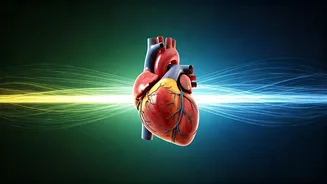
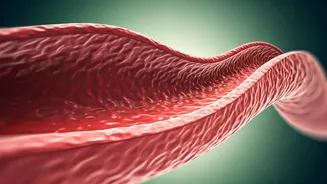
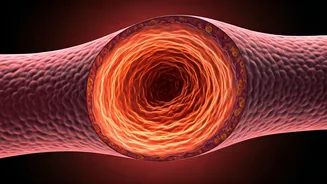
making it a silent assailant. Over time, high cholesterol can trigger the buildup of fatty deposits in the arteries, a process called atherosclerosis. This buildup narrows the arteries, restricting blood flow and potentially leading to severe cardiovascular complications. The risk increases for individuals with a family history of heart disease, as well as those with lifestyle factors such as poor diet, lack of exercise, and smoking habits. Regular check-ups and proactive lifestyle changes are therefore essential for identifying and mitigating the risks associated with high cholesterol, and preventing further complications that can severely impact health.
Snacking Habits' Role
Snacking habits significantly influence cholesterol levels, underlining the importance of mindful food choices. Consuming foods high in saturated and trans fats found in many processed snacks can directly raise LDL cholesterol, which is often called 'bad' cholesterol. Conversely, opting for healthy snacks, such as those rich in fiber and unsaturated fats, can contribute to maintaining or even lowering cholesterol levels. These choices impact overall cardiovascular health. It's not just about abstaining from unhealthy snacks; it’s about actively incorporating beneficial options into your dietary patterns. By choosing snacks wisely, individuals can take a proactive step towards better cholesterol management and support overall well-being.
Symptoms and Conditions
High cholesterol often presents without immediate symptoms, but it can lead to conditions such as atherosclerosis, whose signs may eventually become apparent. Common indicators include chest pain (angina), shortness of breath, and fatigue, particularly with physical exertion. These symptoms arise because the narrowed arteries limit blood flow to the heart and other parts of the body. Atherosclerosis can also cause peripheral artery disease, leading to pain in the legs and feet. Recognizing these warning signs and seeking medical advice is crucial for preventing severe complications, like heart attacks and strokes. Early detection and prompt intervention can significantly improve outcomes and protect overall health.