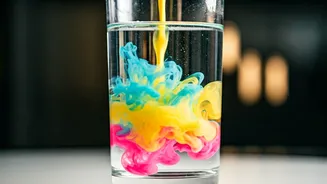









The Rise of Water Stacking
A recent social media sensation, the 'Water Stacking' trend, originating from the #WaterTok community, has captured the attention of many seeking innovative
ways to increase their daily water consumption. This creative approach, popularized by figures like food scientist Jeffrey Ma, involves combining plain water with an array of supplements such as collagen, creatine, electrolytes, vitamins, or herbal powders. While the intention is to make hydration more appealing and potentially more beneficial, experts are urging caution. The allure of adding various ingredients lies in the hope of enhanced health benefits and a more enjoyable drinking experience, transforming a mundane necessity into a personalized, functional beverage. However, the core question remains whether this trendy practice truly contributes to healthier hydration or introduces unforeseen risks.
Expert Concerns on Supplement Overload
Medical professionals express significant reservations about the Water Stacking trend, highlighting that while the concept may appear beneficial on the surface, its execution can lead to health complications if supplements are consumed without a proper understanding of individual bodily needs. Dr. Prabhat Ranjan Sinha, a senior consultant in Internal Medicine, points out that the human body requires nutrients in specific proportions, and any excessive intake can yield adverse effects. Similarly, Edwina Raj, Head of Services at Aster CMI Hospital's Clinical Nutrition and Dietetics, emphasizes that even beneficial supplements can cause harm when combined indiscriminately. She elaborates that differing nutritional requirements among individuals mean that excessive consumption of certain supplements could trigger side effects like gastrointestinal distress, kidney strain, or an overall nutrient imbalance. For instance, high doses of creatine, without professional guidance, might negatively impact kidney health, particularly in those with pre-existing conditions.
Potential Health Risks Unveiled
Both Dr. Sinha and Ms. Raj underscore that ingesting unnecessary supplements offers no added advantage if an individual's diet already provides these nutrients. Dr. Sinha further cautions that an overabundance of nutrients can place undue strain on vital organs such as the kidneys and liver. Furthermore, he points out the potential for adverse interactions when multiple supplements are consumed concurrently. These interactions might lead to electrolyte imbalances, disrupt metabolic processes, or hinder the absorption of essential nutrients. The trend's reliance on social media popularity without considering personal health status can inadvertently lead to excessive consumption of specific substances or foster an unwarranted dependence on supplements, potentially masking underlying health needs or deficiencies that require medical attention rather than self-prescribed supplementation.
Safer Hydration Strategies
To maintain optimal hydration, medical experts consistently advocate for the simple yet effective approach of drinking adequate amounts of plain water and adhering to a balanced diet. Dr. Sinha suggests that supplementation should primarily be considered when a diagnosed deficiency exists or when there's a specific, medically recognized health requirement. He advises against blindly following social media trends without understanding one's personal health condition, as this can result in overconsumption of ingredients or unnecessary reliance on external aids. Ms. Raj offers practical, accessible strategies for incorporating more water into one's daily routine. These include starting the day with a glass of water to rehydrate after sleep, keeping a water bottle readily available throughout the day as a visual reminder, and setting achievable hydration goals, such as drinking a glass of water every hour. These consistent habits are presented as far more sustainable and beneficial for overall well-being than chasing fleeting trends.
Flavoring Water Naturally
For individuals who find plain water unappealing, experts recommend incorporating natural flavor enhancers as a healthier alternative to artificial additives or supplement blends. Dr. Sinha suggests infusing water with ingredients like lemon slices, fresh mint leaves, or cucumber. This method not only improves the taste and makes water more palatable but also avoids the potential downsides associated with consuming excessive or unnecessary supplements. Ms. Raj endorses this approach, emphasizing that these natural additions can transform the drinking water experience without introducing any foreign substances or requiring additional nutritional considerations. By opting for these simple, wholesome additions, individuals can enjoy a refreshing and hydrating beverage while staying true to evidence-based health practices and avoiding the risks associated with unverified social media trends.