





The Roti Conundrum
For many in India, a meal feels incomplete without the comforting presence of roti, a staple North Indian flatbread. However, for individuals navigating
the complexities of diabetes, the humble roti, while a decent source of fiber, presents a challenge. Each piece can contribute around 100 calories, and its glycemic index can lead to unwelcome fluctuations in blood sugar levels. This concern prompts a search for alternatives that can satisfy hunger and dietary needs without compromising health goals. Fortunately, the vibrant culinary landscape of South India offers a treasure trove of options that are both health-conscious and incredibly flavorful, making them a potential game-changer for those looking to manage their diabetes effectively.
South Indian Health Benefits
The superiority of South Indian breads for diabetic individuals stems from their unique ingredient bases and preparation methods. Unlike the predominantly wheat-based roti, many South Indian flatbreads are crafted from a harmonious blend of rice and lentils, or sometimes even semolina (sooji). This fundamental difference impacts their nutritional profile significantly. The cooking process, often involving gentle simmering on a tawa or steaming, helps maintain a lower calorie count while maximizing the intake of essential nutrients like fiber and protein. Furthermore, a notable advantage is that many of these South Indian creations are naturally gluten-free, catering to a wider range of dietary requirements and health considerations, thus presenting a compelling argument for their inclusion in a diabetes-friendly diet.
The Versatile Dosa
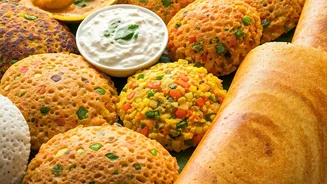
When discussing South Indian cuisine, the dosa immediately springs to mind as a standout dish that perfectly balances taste, versatility, and health benefits. This popular fermented crepe is primarily made from a combination of lentils and rice, a pairing that contributes to its appeal for those monitoring their health. Typically, a single dosa contains between 100 to 120 calories, making it a satisfying option that won't unduly impact blood sugar levels. Its preparation method, often involving a thin batter cooked on a hot griddle, results in a light yet filling accompaniment that can be enjoyed with various healthy side dishes, cementing its status as a prime candidate among nutritious Indian flatbreads.
Delicate Appam Creation
Appam emerges as another excellent choice for a diabetes-conscious diet, celebrated for its naturally low fat content and fluffy texture. Crafted from rice flour and enriched with coconut milk, this South Indian flatbread undergoes a fermentation process that contributes to its unique flavor and texture. The result is a soft, pancake-like creation that is generally estimated to range from 100 to 150 calories per serving. This makes appam a prudent selection for those seeking to manage their calorie intake and blood sugar responses, offering a delightful and wholesome alternative to heavier breads that could disrupt glycemic control.
Nutrient-Packed Uttapam
For those who appreciate a more substantial and customizable meal, uttapam presents an ideal South Indian option, particularly when loaded with a variety of fresh vegetables. This fermented delicacy is renowned for being nutrient-dense, filling, and exceptionally tasty, making it a popular breakfast choice. Its preparation involves incorporating a medley of vegetables into the batter, enhancing its fiber and vitamin content. Crucially, uttapam offers a good source of protein and probiotics, which are beneficial for gut health. This combination of nutrients, along with its ability to support weight management, makes it a superb choice for diabetics looking to maintain stable blood sugar levels throughout the day.
Gluten-Free Akki Roti
Hailing from Karnataka, akki roti stands out as a completely gluten-free flatbread, primarily made from rice flour. This dish is a common breakfast item, typically prepared by expertly blending rice flour with finely chopped onions, green chilies, and sometimes grated vegetables such as carrots and cucumber. The inclusion of these ingredients not only enhances the flavor but also boosts the nutritional value, adding extra fiber and vitamins. Its gluten-free nature and wholesome ingredients make it a suitable and satisfying choice for individuals seeking healthier carbohydrate options, especially those who are sensitive to gluten or managing dietary restrictions.
Steamed Puttu Perfection
Puttu, a culinary gem native to Kerala, is a steamed dish crafted from ground white rice and grated coconut. Its preparation involves layering these ingredients, often in a cylindrical mold, and then steaming them to perfection. Puttu is highly regarded for its low-calorie count and its low glycemic index, characteristics that make it particularly beneficial for diabetic patients. Being gluten-free further adds to its appeal. The combination of steamed rice and coconut creates a subtly sweet and satisfying texture, offering a light yet filling option that is easy on blood sugar levels and a wise addition to a controlled diet.