






Portion Size's Role
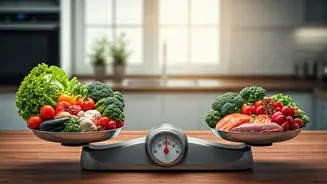
Understanding portion sizes is a fundamental aspect of weight management, as emphasized by the NHS. It's not just about what you eat, but also the amount.
Even if you're making healthy choices, consuming excessive amounts can hinder weight loss. The NHS portion size advice provides a practical framework for controlling intake. This involves being mindful of how much food is placed on your plate and paying attention to your body’s signals of fullness, which can help in avoiding overeating. Regularly practicing these principles can assist you in making positive changes, leading to noticeable progress toward your weight loss goals, as well as developing a healthier relationship with food.
Carb, Fat, Dairy Choices
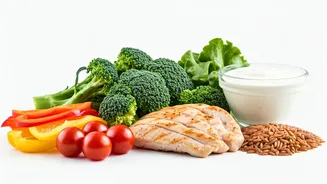
The choices regarding carbohydrates, fats, and dairy play a major role in a well-rounded diet, as underscored by the NHS's approach to weight management. Understanding the types of carbohydrates, such as refined versus complex carbohydrates, helps to make informed decisions. Choosing complex carbohydrates like whole grains helps to sustain energy levels and promotes satiety. Similarly, the type and amount of fats also make a big difference. Focusing on healthy fats found in foods like avocados and nuts should be prioritized over saturated and trans fats. Furthermore, being mindful of dairy intake is important, as dairy products vary in calorie and fat content. Selecting lower-fat options helps in managing overall calorie intake, which supports weight loss efforts.
Staying Hydrated
Staying hydrated is a crucial aspect of overall health, and is emphasized for weight loss, according to NHS guidelines. Drinking enough water supports various bodily functions, including metabolism. Drinking water before meals can also help you feel fuller, which reduces overeating. The importance of water extends to all aspects of weight loss, including exercise. During physical activity, water helps regulate body temperature and enhances performance. Besides, it is frequently confused with hunger, and ensuring that you are adequately hydrated can prevent unnecessary snacking. Incorporating sufficient water intake into daily habits will support efforts toward successful and sustainable weight management.