






Chia Seed Powerhouse
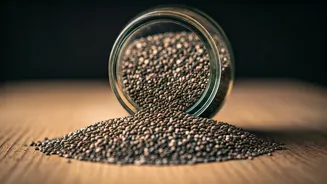
Chia seeds have emerged as a celebrated superfood due to their remarkable nutritional profile. These tiny seeds are packed with fiber, crucial for digestive
health, aiding in regular bowel movements and contributing to a feeling of fullness. They also boast an impressive omega-3 fatty acid content, particularly alpha-linolenic acid (ALA), beneficial for heart health and reducing inflammation. Furthermore, chia seeds provide essential minerals such as calcium, magnesium, and phosphorus, playing vital roles in bone health and various bodily functions. The presence of antioxidants in chia seeds adds another layer of health benefits, fighting against free radicals and protecting cells from damage. The fiber content in chia seeds further assists in blood sugar management, potentially reducing the risk of type 2 diabetes by slowing down the absorption of sugar from meals. They are also incredibly versatile, easily incorporated into meals, from smoothies and yogurt to salads and baked goods, making them a convenient addition to any diet.
Digestive System Concerns
While chia seeds are generally well-tolerated, their high fiber content can be problematic for some individuals. For people not accustomed to a high-fiber diet, consuming chia seeds, especially in large amounts, can lead to digestive discomfort. This might manifest as bloating, gas, and abdominal cramps. Because fiber absorbs water, inadequate hydration can worsen these symptoms. It is vital to increase water intake alongside chia seed consumption to facilitate smooth digestion. Moreover, those with existing digestive conditions, like irritable bowel syndrome (IBS) or Crohn's disease, should exercise caution. The high fiber in chia seeds could exacerbate symptoms of these conditions. It's recommended that individuals in this category consult their healthcare provider before introducing chia seeds into their diet to ensure it aligns with their digestive health needs. Starting with a small quantity and gradually increasing the intake, observing the body’s reaction, is also a prudent approach.
Blood Thinning & Medication
Another group that should approach chia seeds with caution includes people taking blood-thinning medications. Chia seeds have natural blood-thinning properties due to their omega-3 fatty acid content, which could amplify the effects of these medications. This combination might increase the risk of excessive bleeding or bruising. Medications like warfarin and aspirin, often prescribed to prevent blood clots, might interact negatively with chia seeds. Individuals on these or similar medications should consult their doctor before regularly consuming chia seeds. This allows the doctor to monitor their blood's clotting ability and adjust medication dosages if necessary. It’s also important to note the potential for interactions with herbal supplements that also possess blood-thinning effects. Comprehensive medical advice ensures a safe integration of chia seeds into the diet.
Allergies & Sensitivities
Although rare, allergies to chia seeds have been reported. People with allergies to other seeds, such as sesame or mustard seeds, have a slightly elevated risk of developing a chia seed allergy. Allergic reactions can range from mild symptoms, like skin rashes and hives, to more severe responses, such as difficulty breathing and anaphylaxis. Symptoms can appear shortly after consumption. If you suspect you have a chia seed allergy, it's crucial to seek immediate medical attention. An allergist can perform tests to confirm the allergy and provide guidance on avoiding chia seeds and managing potential reactions. Those with known allergies should always read food labels carefully to identify chia seeds in ingredients and avoid them accordingly. Being vigilant about food ingredients helps prevent any adverse health impacts.
Who Should Proceed?
Individuals with diabetes or those at risk of it should be mindful of how chia seeds might influence their blood sugar levels. While chia seeds can assist in blood sugar regulation, their effects should be monitored, especially when combined with diabetes medications. It's important to consult with a healthcare professional to adjust medication dosages and manage dietary plans. People with low blood pressure need to know that chia seeds might have a blood pressure-lowering effect. Eating them could amplify the effects of blood pressure medications. Monitoring blood pressure regularly and keeping your doctor informed is essential. Those preparing for surgery need to know that chia seeds could potentially affect blood clotting. Therefore, it is important to inform the surgeon about chia seed intake to manage any potential risks during or after the surgical process. These steps ensure your safety and well-being while making informed choices about your diet.
Safe Consumption Practices
To enjoy chia seeds safely, several strategies can be employed. Begin with small portions, for instance, a teaspoon or tablespoon daily, and gradually increase the amount to observe how your body reacts. When consuming chia seeds, always drink an adequate amount of water to aid digestion and prevent constipation. You can easily add chia seeds to various foods. Incorporate them into smoothies, yogurt, oatmeal, or salads. For individuals sensitive to the texture of the seeds, grinding them can make them easier to consume and digest. This also aids in the absorption of nutrients. Always choose high-quality chia seeds from reliable sources to avoid contamination. Keep an eye out for any allergic reactions or digestive problems after consuming them. If any adverse effects appear, halt consumption and seek advice from a healthcare professional. By following these guidelines, you can safely integrate chia seeds into your diet.