







Dietary Strategies
Colorectal cancer, a significant health concern, can be profoundly influenced by dietary habits. An oncologist's insights emphasize the proactive role
of food in managing risk. A balanced diet, rich in specific nutrients, can act as a protective measure against the development and progression of this cancer. The information given is based on an oncologist's view. These are all useful for an individual seeking to take control of their health through informed choices regarding nutrition. The oncologist recommends adopting a holistic approach, focusing on food choices and incorporating them into daily life. This can create a significant positive impact on the individual's long-term well-being and decrease the risk of colorectal cancer.
Embrace Nutrient-Rich Foods
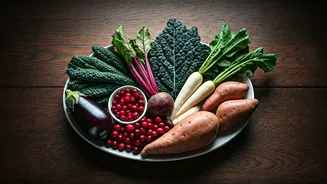
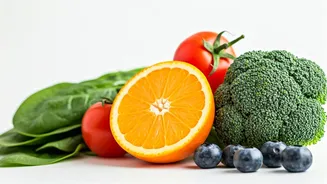
Certain foods stand out as champions in the fight against colorectal cancer, as advised by the oncologist. High on the list are vegetables, especially cruciferous ones like broccoli, cauliflower, and Brussels sprouts. These are packed with compounds that can neutralize cancer-causing agents. Fruits, rich in antioxidants and fiber, are also essential. Berries, in particular, are beneficial. Whole grains offer a powerhouse of fiber, which helps in the digestion process and removes toxins from the body. Including lean proteins such as fish and poultry, as well as nuts and seeds, in the diet also helps reduce risk. These foods provide the body with essential nutrients.
Foods to Limit or Avoid
Just as some foods boost your health, others can undermine it. The oncologist advises that individuals should limit or avoid specific foods to reduce their risk of colorectal cancer. Processed meats, including bacon, sausage, and deli meats, have been linked to an increased risk, according to research. Red meat consumption should be moderate, and individuals should be mindful of how often and in what quantities they eat it. The intake of sugary drinks and processed foods should also be controlled, as they contribute to weight gain and inflammation, which can increase cancer risk. Making these dietary changes could make a big difference for your health.
Emphasizing Fiber Intake
Fiber is a cornerstone of a colorectal cancer-prevention diet. Fiber-rich foods promote digestive health and help remove potential carcinogens from the digestive system. The oncologist highlights the importance of incorporating foods with high fiber content into the daily diet. Good sources of fiber include whole grains, fruits, vegetables, and legumes. Aiming for a consistent and sufficient fiber intake can significantly reduce the risk of colorectal cancer. It is best to incorporate fiber gradually to allow the digestive system to adapt. Proper hydration is vital to allow fiber to work efficiently in the body. Individuals who take the necessary steps to incorporate fiber into their diet have better digestive health.
Portion Control and Balance
It is not just about what you eat but also how much you eat. The oncologist stresses the significance of portion control and dietary balance. Overeating, regardless of food quality, can lead to weight gain and increased cancer risk. It is recommended to eat a variety of foods in moderation to give your body a wide spectrum of nutrients. Planning your meals ahead can assist with portion control and ensure your diet is balanced. Practicing mindful eating, paying attention to hunger and fullness cues, can assist in maintaining a healthy weight. The combination of balance and portion control is a strategy to reduce the risk of colorectal cancer.