






Massive Adulterated Oil Seizure
In a critical move to safeguard public health leading up to key Indian festivals like Holi and Eid, and during Ramadan, authorities in Uttar Pradesh have
conducted extensive raids. The Food Safety and Drug Administration (FSDA) in conjunction with the Food Safety and Standards Authority of India (FSSAI) seized an astounding 13,972 litres of adulterated oil in Kanpur. This operation also led to the confiscation of 1,000 kilograms of colored waste and other questionable food items, highlighting a deliberate effort to flood the market with unsafe consumables during a period of heightened demand.
Fake Ghee and Suspicious Finds
The crackdown extended beyond just adulterated oil. During inspections of a manufacturing unit in Kalyanpur, officials discovered and confiscated fake ghee valued at approximately Rs. 5.45 lakh. This finding underscores the sophisticated nature of food adulteration operations. To verify the findings and ensure public safety, all seized samples have been diligently dispatched to a laboratory for comprehensive testing and analysis, providing crucial data on the exact nature of the adulterants used.
Rotten Dates and Sweets Intercepted
The vigilance of the enforcement teams did not stop at oils and ghee. Surprise inspections were also carried out at various food outlets, cold storage facilities, and dairies across Kanpur, revealing a deeply concerning picture. At Swaroop Cold Storage and Himalayan Cold Storage, authorities unearthed 1,320 kilograms of rotten dates, which are a staple during Ramadan for breaking fasts. Additionally, 1,418 kilograms of colored kachri and other food items were recovered from a warehouse in Aminabad, indicating a widespread problem affecting multiple food categories.
Wider Raids Across Uttar Pradesh
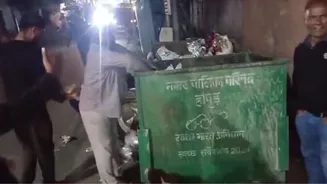
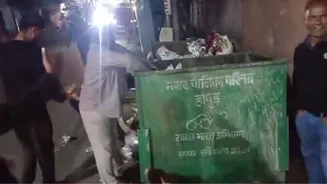
The intensified raids are not confined to Kanpur alone. The FSDA has also been actively conducting checks in Lucknow, targeting warehouses, food outlets, and dairy units to prevent the circulation of substandard and adulterated products. Similar operations in Hapur have also resulted in confiscations. Furthermore, UPFSDA reported a significant seizure of 25,000 kg of Suji, valued at ₹10 Lakhs, from M/s Raj Sneh Agro Foods Pvt Ltd due to packaging regulation violations, with samples of Jaggery Powder, Gur, and Suji undergoing lab testing as part of ongoing efforts.
Health Risks of Adulterated Food
Consuming adulterated food poses severe health risks, as it involves the deliberate addition of inferior or foreign substances to original food products. A 2024 study highlights that such practices can lead to serious ailments including cancer, lathyrism, liver and kidney diseases, cardiac failure, and various nervous system disorders. Moreover, adulteration can trigger allergic reactions. Vulnerable groups such as pregnant women, children, and the elderly are particularly susceptible to illness when exposed to these compromised food items.