





The Junk Food Epidemic
In our fast-paced world, convenience often trumps health, leading many to rely on readily available junk food. Long work hours, pervasive stress, and a general
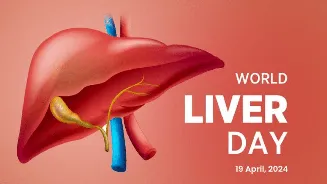
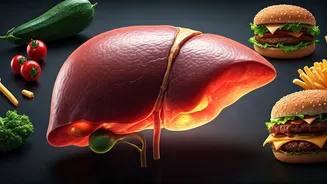
lack of time for meal preparation push individuals towards processed snacks and online orders, often several times a week. This reliance isn't just about convenience; for some, it's an addiction to variety and taste, pushing aside nutritious home-cooked meals. Such dietary patterns, characterized by the frequent intake of processed foods and a disregard for balanced nutrition, significantly increase the risk of developing serious health issues, particularly impacting the liver. A lifestyle that incorporates junk food consumption four to five times weekly, combined with a demanding schedule, dramatically elevates the probability of developing fatty liver disease, a condition that can escalate into irreversible liver damage. It's a stark reminder that prioritizing liver wellness is crucial for everyone, including the younger generation, especially as World Liver Day approaches.
Unpacking Liver's Role
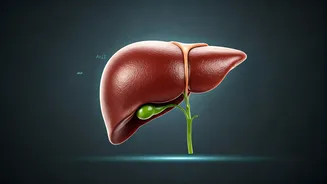
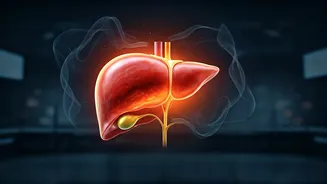
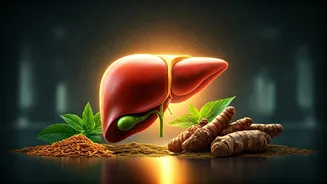
The liver is an indispensable organ, performing critical functions related to digestion and detoxification. However, consistent consumption of unhealthy foods can place an immense burden on this vital organ, potentially leading to severe health complications. Junk food is typically replete with unhealthy fats, excessive sugar, and refined carbohydrates. When these are consumed regularly, the liver begins to accumulate fat, a condition medically identified as fatty liver disease. This frequent intake of detrimental food components can disrupt the liver's normal operational capacity. For instance, surplus sugar, commonly found in sugary beverages and desserts, is converted by the body into fat and subsequently stored within the liver. Similarly, the consumption of fried and processed items exacerbates inflammation within the liver, impeding its ability to efficiently process nutrients and perform its essential functions. This overload compromises the liver's integrity and health.
Symptoms of Liver Distress
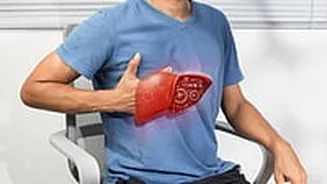
When the liver's health deteriorates due to the cumulative effects of poor dietary choices, a range of symptoms may manifest. Common indicators include persistent tiredness, discomfort in the digestive system, feelings of bloating, and unexpected weight gain. Unfortunately, in the initial phases, fatty liver disease often presents with subtle or no apparent symptoms, which can make it particularly insidious and dangerous. If left unaddressed, this condition can advance to more severe forms of liver disease, such as significant inflammation, fibrosis (scarring of the liver tissue), and in the most critical cases, cirrhosis, which represents permanent and often irreparable damage to the liver. In situations where the liver ceases to function adequately, a liver transplant might become the sole viable option to restore health and improve the patient's quality of life. Therefore, adopting liver-friendly habits is paramount to avert the necessity of such drastic medical interventions.
Restoring Liver Vitality
Protecting and revitalizing liver health requires a commitment to essential lifestyle changes. A primary step involves strictly avoiding foods detrimental to the liver, such as processed junk food, sugary drinks, various desserts, bakery items, ice creams, sodas, and colas. Seeking professional guidance from a healthcare expert is highly recommended to receive personalized advice on establishing and maintaining healthy eating patterns. Incorporating a diet rich in fresh fruits, an abundance of vegetables, whole grains, and healthy fats from nuts and seeds is crucial for supporting optimal liver function. While tempting, deeply fried snacks like samosas, vada, instant noodles, pizza, biscuits, kachori, pakora, puri, potato chips, cakes, white bread, sweets, and buns should be significantly limited or entirely removed from your diet. Complementing these dietary adjustments with daily physical activity, diligent weight management, and ensuring adequate hydration are all beneficial practices for liver health. Furthermore, undergoing regular health check-ups, as advised by a medical professional, can aid in the early detection of potential liver issues, ensuring prompt and effective treatment when needed.