





DASH Diet Fundamentals
The DASH diet centers around consuming foods rich in nutrients essential for controlling blood pressure. It emphasizes plenty of fruits, vegetables, and
whole grains, making them the cornerstone of each meal. Simultaneously, it encourages lean protein sources like fish, poultry without skin, and beans. The diet also recommends low-fat or fat-free dairy products, such as milk, yogurt, and cheese. It strictly limits foods high in saturated fat, trans fat, and cholesterol. That means reducing intake of red meat, processed meats, and full-fat dairy. Furthermore, it advises minimizing the consumption of sugary beverages and added sugars. This balanced approach helps in managing blood pressure effectively. The primary goal of the DASH diet is to provide the body with vital nutrients, such as potassium, calcium, and magnesium, known to lower blood pressure. Following these guidelines can substantially reduce the risk of hypertension and support overall cardiovascular wellness. It's not just a diet; it's a lifestyle change promoting long-term health benefits for everyone, regardless of age or current health conditions.
Foods To Embrace
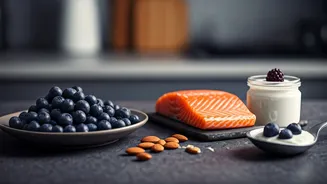
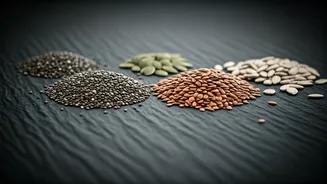
The DASH diet encourages a generous intake of fruits and vegetables, ideally in every meal. Include a variety of colorful choices like berries, apples, bananas, spinach, broccoli, and carrots. These are packed with vitamins, minerals, and fiber. Whole grains such as brown rice, quinoa, and whole-wheat bread and pasta should be preferred over refined grains. These grains contain fiber that aids in blood pressure control. Lean protein options are essential for the DASH diet; opt for fish (particularly those rich in omega-3 fatty acids), skinless poultry, and beans. These choices are low in unhealthy fats. Incorporate low-fat or fat-free dairy, choosing milk, yogurt, and cheese, as these provide calcium and other vital nutrients without excess fats. Finally, small amounts of unsaturated fats, such as those found in olive oil, nuts, and avocados, are allowed to keep the diet balanced and enjoyable. The focus is always on a diet rich in essential nutrients and fiber while keeping fats within the recommended limits.
Foods To Limit
On the DASH diet, it is important to minimize or eliminate certain foods to effectively manage blood pressure. Red meat, processed meats, and full-fat dairy products are limited due to their high saturated fat content, which can increase cholesterol and blood pressure. Foods high in saturated and trans fats, such as fried foods and many packaged snacks, should be strictly avoided. Sugary beverages, including sodas, sweetened juices, and energy drinks, are limited. These drinks can contribute to weight gain and high blood pressure. Also, added sugars, found in many processed foods and desserts, should be minimized. The DASH diet also recommends limiting sodium intake. Processed foods, canned goods, and excessive salt added during cooking or at the table should be reduced. Alcohol should be consumed in moderation, if at all, to keep the diet balanced. By adhering to these limitations, the DASH diet effectively promotes lower blood pressure and better overall health.
Getting Started Quickly
Starting the DASH diet doesn't have to be overwhelming. Begin by gradually increasing your intake of fruits and vegetables. Aim to include a fruit or vegetable with every meal. Swap refined grains for whole grains, such as brown rice instead of white rice. Read food labels carefully to choose low-fat or fat-free dairy products and lean protein sources. Reduce your intake of sodium. Season foods with herbs and spices instead of salt. Plan your meals ahead of time. This helps you to make healthier choices and avoid impulsive decisions. Prepare your meals at home more frequently to control the ingredients and portion sizes. Consider seeking guidance from a registered dietitian or healthcare professional. They can offer personalized advice and help you create a meal plan that fits your individual needs and preferences. Stay consistent and patient. Lifestyle changes take time, so focus on making small, sustainable adjustments over time to maximize your success and reap long-term health rewards.