







Initial Nutritional Observations
Observations from nutrition experts have shown that children following a vegan diet may present some disparities compared to those who incorporate meat
into their diets. Studies suggest that vegan children might be slightly shorter and have a lower Body Mass Index (BMI). However, it's crucial to understand these observations aren't necessarily indicative of an inherent disadvantage of a vegan diet. Instead, they underscore the need for careful dietary planning to meet all the nutritional requirements that are essential for growth and development. This includes paying close attention to intake of vital nutrients such as protein, iron, vitamin B12, calcium, and vitamin D, as these are often more challenging to obtain from plant-based sources alone. When vegan diets are well-structured, they can indeed support healthy growth; the key lies in the thoughtful consideration of nutritional needs and how to meet them effectively through food choices and potential supplementation.
Growth and Development
The growth patterns of children on a vegan diet often garner attention. The lower BMI and potentially shorter stature observed in some vegan children compared to their meat-eating peers is a frequent point of discussion. This prompts questions about whether plant-based diets inherently hinder growth. The reality, though, is much more nuanced. Growth is a complex process influenced by a multitude of factors, with nutrition being just one of them. While a carefully planned vegan diet can absolutely support healthy development, it requires a conscious effort to ensure adequate intake of essential nutrients. Protein is vital for building and repairing tissues, iron is crucial for oxygen transport, vitamin B12 is essential for nerve function and blood cell formation, and calcium and vitamin D are indispensable for bone health. Failing to adequately address these needs can certainly impact growth. But when a vegan diet is meticulously planned with a focus on nutrient-dense foods and possibly supplemented with specific nutrients, vegan children can thrive and achieve healthy growth trajectories.
Critical Nutrient Considerations
Several nutrients warrant special attention when considering a vegan diet for children. Protein is essential for growth and repair, and must come from diverse plant sources like lentils, beans, tofu, and quinoa, to provide all the essential amino acids. Iron, crucial for carrying oxygen in the blood, can be sourced from fortified cereals, spinach, and lentils, but its absorption is enhanced when combined with vitamin C-rich foods. Vitamin B12, nearly absent in plant-based foods, necessitates supplementation or the consumption of B12-fortified foods. Calcium, vital for bone health, can be found in fortified plant milks, tofu (calcium-set), and leafy green vegetables. Vitamin D, important for calcium absorption, should be obtained through fortified foods or supplements, especially in regions with limited sunlight exposure. Successfully navigating these nutritional needs requires careful planning. Consulting with a registered dietitian or nutritionist specializing in vegan diets can offer invaluable guidance, ensuring that the child receives all necessary nutrients for healthy growth and development.
Planning Balanced Vegan Meals
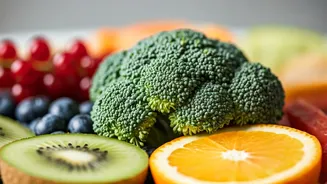
Creating balanced vegan meals for children involves strategic food choices and careful planning. The dietary foundation should be based on a variety of nutrient-rich plant-based foods. This encompasses an array of fruits and vegetables, offering essential vitamins, minerals, and fiber; whole grains, providing sustained energy and important nutrients; legumes like beans, lentils, and peas, delivering protein and fiber; and nuts and seeds, supplying healthy fats, protein, and minerals. Meals should always be diverse and colorful to enhance the chances of a complete array of nutrients. Regularly incorporating a source of protein at each meal, such as tofu, tempeh, or beans, is important. Emphasizing whole, unprocessed foods will maximize nutrient intake and minimize unhealthy additions. Regular review of dietary habits with a nutritionist ensures any dietary deficiencies are addressed and a child’s nutritional needs are met through a balanced and varied selection of plant-based options.
Supplementation Considerations
While a well-planned vegan diet can provide most essential nutrients, some require careful consideration and potentially, supplementation. Vitamin B12 is a key example, as it is nearly absent in unfortified plant foods. Regular supplementation or the consumption of B12-fortified foods is generally recommended to prevent deficiency, which can have significant health implications. Vitamin D is another nutrient of concern, especially in areas with limited sunlight. Supplementation may be necessary, especially during the winter months or for children who do not spend much time outdoors. Iron is another nutrient where monitoring is beneficial. While plant-based sources of iron can be included, their absorption is less efficient than from animal products. Supplementation is rarely necessary if iron-rich foods are consumed with vitamin C. It's best to consult a healthcare professional before starting supplements to confirm the appropriate dosages and determine if there are individual needs that should be addressed.
Expert Consultation Benefits
Seeking guidance from a qualified healthcare professional, especially a registered dietitian or nutritionist specializing in vegan diets, is a vital step when adopting a vegan diet for children. A nutritionist can evaluate the child’s specific dietary needs and assess whether the current eating habits meet all necessary nutritional requirements. They can assist in planning balanced meals, ensuring that all essential nutrients are covered, and offer helpful suggestions for meal preparation and food selection. Furthermore, they can provide advice on supplementation, if necessary, and help monitor the child’s growth and overall health. They can also educate parents on how to navigate potential challenges, such as food allergies or intolerances. These expert consultations can help you get the best outcomes for your child.
Monitoring Health and Growth
Regular monitoring of a vegan child's health and growth is an essential practice to ensure optimal well-being. This should include scheduled visits to a pediatrician or healthcare provider, who can track height, weight, and overall development using standard growth charts. Blood tests may be recommended to check for potential nutrient deficiencies, such as iron or vitamin B12. Parents should be alert to any signs of health concerns, like fatigue, pale skin, or developmental delays, and promptly report these observations to a doctor. Documenting the child’s dietary intake and keeping a food diary can offer valuable insights and support healthcare professionals when making assessments and adapting dietary plans as needed. By staying vigilant and proactive about the child’s health, you can address any issues early and ensure a healthy and thriving future.