







Omega-3s Tame Anger
Extensive research, including an analysis of 29 controlled trials involving almost 4,000 participants, has revealed a compelling link between omega-3 fatty
acid consumption and a notable decrease in aggressive behaviors. Scientists from the University of Pennsylvania have concluded that supplementing with omega-3s, commonly found in fish oil, can effectively reduce both reactive anger, which flares up in response to immediate provocation, and proactive anger, characterized by planned aggressive actions. This beneficial effect appears to be consistent across diverse demographics, irrespective of age, gender, existing medical conditions, or the duration and dosage of the treatment. Dr. Adrian Raine, a neurocriminologist, suggests that omega-3 supplementation is now a viable strategy for mitigating aggression, recommending its implementation across various settings, from community initiatives to clinical and even the criminal justice system. He specifically advises parents of aggressive children to consider increasing their child's fish intake as a complementary approach alongside other treatments.
Brain Health Connection
The underlying mechanism by which omega-3s exert their calming influence is believed to be rooted in their anti-inflammatory properties and their crucial role in regulating vital brain functions. These essential fatty acids, particularly EPA and DHA found abundantly in fish oil, are integral components of brain cell membranes. They play a pivotal part in maintaining the health of these cells and facilitating seamless communication between them. Inflammation in the brain has been implicated in various behavioral issues, including aggression. By reducing this inflammation, omega-3s can help restore a more balanced state in the brain, thereby contributing to better impulse control and modulated aggression levels. While the exact pathways are still under investigation, the consensus among researchers is that omega-3s offer a significant, though not a complete, solution to managing aggressive tendencies and promoting overall mental well-being.
Sources and Intake
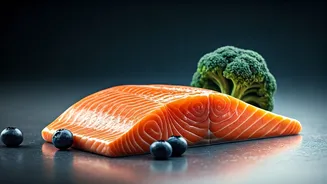
Omega-3 fatty acids are essential polyunsaturated fats that our bodies need for optimal brain function and overall mental health. Fish oil is a particularly rich source of two key types, EPA (eicosapentaenoic acid) and DHA (docosahexaenoic acid), which are fundamental to the structure and function of cell membranes and possess strong anti-inflammatory capabilities. While the body can convert another omega-3, ALA (alpha-linolenic acid), into EPA and DHA, this conversion process is quite inefficient. Therefore, consuming omega-3s directly through fatty fish or supplements is often recommended to ensure adequate intake. Excellent dietary sources include fatty fish like salmon, mackerel, tuna, and sardines, as well as cod liver oil and algae oil. Plant-based options like flaxseeds, chia seeds, walnuts, and flaxseed oil also provide ALA, though direct consumption of EPA and DHA from marine sources is generally considered more effective for immediate benefits. Fortified foods, such as certain eggs, yogurts, and juices, can also contribute to omega-3 intake.
Cognitive Benefits & Dosage
Beyond their impact on aggression, omega-3 fatty acids, specifically EPA and DHA, are vital for maintaining cognitive function throughout life. They are essential for the health of brain cells and the efficient transmission of signals between them. Studies have indicated that a deficiency in omega-3s can lead to cognitive impairments; for instance, animal studies have shown that diets lacking these fats resulted in lower DHA levels in the brain, leading to deficits in learning and memory. In older adults, lower DHA levels have been associated with reduced brain volume, a potential marker of accelerated brain aging. Maintaining sufficient omega-3 levels can therefore support cognitive abilities and may help mitigate the risk of age-related cognitive decline. For individuals seeking to supplement, a daily intake of 1,000–2,000 mg of omega-3 fatty acids from fish oil is generally considered a good starting point. Those dealing with depression might benefit from supplements with a higher EPA content. It is crucial, however, to consult with a healthcare professional before beginning any new supplement regimen.
Affordable Fish Access
Exciting news for consumers in India suggests that the cost of omega-3-rich fish is likely to decrease, making these beneficial foods more accessible. In a recent Budget announcement, the Indian Finance Minister proposed significant tax reductions for the country's fishing industry. Previously, fish caught in international waters by Indian vessels and brought back to India incurred customs duties and GST, increasing their final price and discouraging deep-sea fishing. However, the new proposal designates fish caught in India's Exclusive Economic Zone (EEZ) and high seas by Indian vessels as duty-free when landed at Indian ports. This change is expected to dramatically boost the market availability of popular omega-3 packed fish such as salmon, mackerel, tuna, herring, and sardines, leading to a substantial drop in their prices. This policy shift not only supports the marine industry but also offers a more affordable way for the public to access nutrient-dense foods crucial for health.