






Unpacking Milk Myths
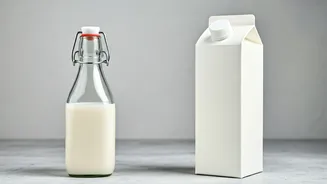
In recent times, raw milk has garnered attention, with proponents touting it as a more natural and health-boosting alternative to its pasteurized counterpart.
Many believe it aids digestion, strengthens immunity, and enhances overall vitality. However, the scientific backing for these assertions often remains unclear. As dietary choices lean towards less processed foods, it's vital to discern fact from fiction regarding what we consume. A conversation with a leading clinical nutrition and dietetics expert sheds light on this popular debate, helping to demystify the differences and risks associated with both types of milk.
The Pasteurization Process
Pasteurization is a straightforward heating method designed to eliminate harmful microorganisms in milk. This process, while simple, plays a crucial role in safeguarding public health. According to experts, it effectively neutralizes dangerous bacteria like Salmonella, E. coli, and Listeria, which can be present in raw milk and pose significant health threats. These pathogens are not mere theoretical possibilities but documented dangers that have historically caused illness. This makes pasteurization particularly important for vulnerable groups, including children, pregnant women, the elderly, and individuals with weakened immune systems, offering them protection against serious infections.
Nutritional Equivalence Confirmed
Contrary to popular belief, the nutritional profile of pasteurized milk is virtually identical to that of raw milk. Scientific consensus, supported by health authorities, confirms that the pasteurization process does not diminish the essential nutrients found in milk. Key elements such as calcium, vital for bone health, and protein, essential for bodily functions, remain unaffected by the heat treatment. Therefore, consuming pasteurized milk offers the same substantial nutritional benefits as consuming raw milk, but crucially, it does so without introducing the inherent risk of bacterial infection. You are not sacrificing any significant nutritional value by choosing the safer, pasteurized option.
Safety Over Perceived Benefits
When deciding between raw and pasteurized milk, safety should be the primary consideration. While raw milk may seem more 'natural,' it carries unnecessary health risks that can outweigh any perceived benefits. Pasteurization is a scientifically proven method to make milk safe for consumption without compromising its inherent nutritional value. The process effectively removes harmful bacteria, making it a superior choice for ensuring the well-being of consumers, especially children, the elderly, pregnant women, and those with compromised immunity. Opting for pasteurized milk means enjoying the benefits of dairy without the significant threat of foodborne illnesses.