






Evolving the Classic Diet
The Mediterranean diet, long celebrated for its extensive health advantages spanning heart health, cognitive function, and weight management, has been
reimagined for contemporary life. Dubbed 'Mediterranean Diet 2.0,' this updated version is designed to address the unique health challenges and lifestyle patterns prevalent today. Experts have refined the original framework, incorporating new insights to better combat issues like ultra-processed food consumption, erratic blood sugar levels, sedentary habits, and chronic stress. This evolution ensures the diet remains a powerful tool for promoting longevity and robust health in the 21st century, adapting its principles to suit modern dietary landscapes and health concerns. It’s not merely about the food itself, but also how and when we consume it, and how our overall lifestyle choices intersect with our nutritional intake.
Plant-Powered Foundation
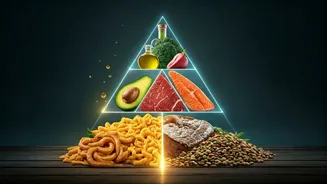
At the heart of Mediterranean Diet 2.0 lies an even stronger emphasis on plant-based foods, making them the undisputed stars of every meal. This means prioritizing a vibrant array of colorful vegetables, seasonal fruits, nutrient-dense whole grains, and protein-rich legumes like beans and lentils, alongside beneficial nuts and seeds. The guiding principle is to ensure that the majority of your plate is filled with these plant-based powerhouses, with proteins and healthy fats serving as essential supporting players rather than the main attraction. By treating plants as the central component of meals, this approach significantly boosts the intake of diverse micronutrients and fosters a healthier gut microbiome. This shift toward plant-first eating is crucial for optimizing nutrient absorption and supporting overall metabolic health.
Prioritizing Whole Foods
Mediterranean Diet 2.0 significantly tightens the reins on the consumption of packaged and ultra-processed foods, extending its scrutiny even to items that might be deceptively marketed as healthy. The core recommendation is to consciously choose whole, unprocessed foods over their refined counterparts, steering clear of highly processed snacks and ready-to-eat meals. A key aspect involves diligently reducing intake of foods laden with excessive sugar, salt, and refined oils, all of which are commonly found in pre-packaged items. Consumers are strongly encouraged to become adept at reading food labels, understanding ingredient lists, and making informed purchasing decisions. This heightened awareness helps in avoiding hidden unhealthy components and ensures that the diet remains focused on the intrinsic nutritional value of real food, promoting better health outcomes by minimizing exposure to detrimental additives and processing techniques.
Mindful Fat Consumption
While healthy fats continue to be a cornerstone of the Mediterranean Diet 2.0, the updated guidelines place a greater emphasis on mindful portion control. Essential fats derived from sources like extra virgin olive oil, nuts, and seeds remain highly valued for their health benefits. However, the updated approach recognizes that even these beneficial fats are calorie-dense, necessitating a more conscious approach to their intake. The focus is on a balanced consumption, where quality is paramount, but quantity is also carefully considered. This blend of high-quality fat sources with an awareness of serving sizes is crucial for supporting overall health and weight management, ensuring that the positive attributes of these fats are leveraged without contributing to excess calorie intake, thereby aligning with modern longevity nutrition principles.
Leaner Protein Choices
Mediterranean Diet 2.0 further refines protein recommendations, leaning more heavily towards lean and plant-based sources for optimal health and longevity. The preferred protein options prominently feature legumes such as lentils and beans, along with chickpeas, which are excellent sources of both protein and fiber. Fatty fish remains a valuable component for its omega-3 fatty acids, while fermented dairy products like yogurt and kefir are encouraged for their gut-health benefits. To support cardiovascular health, reduce inflammation, and maintain metabolic balance, the intake of red and processed meats is advised to be kept at a minimum. This strategic shift in protein choices aims to provide essential nutrients while mitigating potential health risks associated with less beneficial protein sources.
Taming Sugar and Carbs
A significant update in Mediterranean Diet 2.0 involves implementing stricter controls on added sugars and refined carbohydrates. This measure is vital for achieving stable blood sugar levels and promoting robust metabolic health, which are critical considerations in today's health landscape. Hydration is primarily recommended through water and unsweetened herbal teas. For other beverage choices, experts endorse options such as whole grains over refined flours, whole fruits instead of juices, and traditional desserts enjoyed only on occasion. Sweetened beverages are discouraged as daily staples. By limiting these sources of empty calories and rapidly absorbed sugars, the diet helps prevent energy crashes and supports sustained well-being, contributing to better long-term health outcomes and mitigating risks associated with metabolic dysfunction.
Lifestyle Integration
Beyond dietary recommendations, Mediterranean Diet 2.0 embraces a holistic approach by integrating crucial lifestyle practices that significantly enhance its benefits for heart, brain, and metabolic health. This includes adopting slow, mindful eating habits that improve digestion and satiety. Regular daily physical activity is encouraged as a non-negotiable component, supporting cardiovascular function and metabolic efficiency. Establishing consistent and good quality sleep routines is also highlighted as fundamental for bodily repair and hormonal balance. Furthermore, incorporating effective stress management practices is recognized as essential for overall well-being, as chronic stress can negatively impact health. This comprehensive lifestyle framework complements the dietary changes, creating a synergistic effect that promotes lasting health and longevity.