






Stress's Gut Impact
When you're under significant emotional duress, your body often reacts physically, with bloating being a common manifestation, even if your diet remains
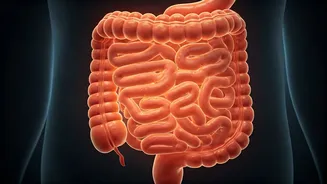
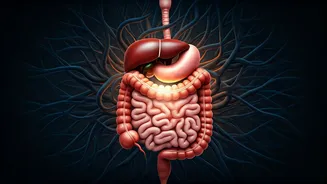
unchanged. This phenomenon is rooted in the intricate gut-brain axis, a bidirectional communication system linking your digestive system to your nervous system. Your gut essentially acts as a 'second brain,' highly susceptible to the signals from your nervous system. When you experience intense stress, whether from a personal crisis or a work deadline, your body enters a 'fight-or-flight' mode. This state triggers the release of stress hormones like cortisol and adrenaline, which reroute blood flow away from your digestive organs towards your muscles, preparing you for immediate action. Consequently, digestion slows down, food isn't broken down efficiently, and it lingers in the gastrointestinal tract longer, leading to increased gas production and the uncomfortable sensation of bloating. In some individuals, this stress response can also manifest as cramping or diarrhea, mirroring the physical stress of an actual escape or exertion.
Cultivating Calm Digestion
The counterpoint to the 'fight-or-flight' state is 'rest-and-digest,' a parasympathetic nervous system mode that is crucial for optimal digestion. In this relaxed state, your stress hormone levels are low, blood circulation is directed towards your digestive system, and all its functions operate smoothly without disruption. This allows your body to effectively break down food and absorb nutrients. To combat stress-induced bloating, it's essential to actively cultivate this calmer state, especially around mealtimes. While avoiding food when stressed isn't a sustainable solution, incorporating stress-reduction techniques can significantly help. Practices like deep breathing exercises, such as the four-square rhythm (inhale for four, hold for four, exhale for four, hold for four), can help shift your nervous system towards relaxation. Furthermore, creating a dedicated eating environment, sitting down at a table, and savoring your meal without distractions like work can greatly improve digestion and reduce the likelihood of swallowing excess air, a common habit when stressed and eating quickly.
Smart Food Choices
Beyond stress management, your food choices play a pivotal role in mitigating bloating. Certain foods are inherently harder for your digestive system to process, especially when it's already under stress. For instance, cruciferous vegetables like broccoli, cauliflower, and Brussels sprouts, while nutritious, can be difficult to break down. Similarly, raw salads can pose a challenge for digestion when you're not in a relaxed state. Opting for more easily digestible options, such as soups or smoothies, can ease the burden on your digestive system. Additionally, warmer foods and beverages are generally better for digestion, potentially by helping to relax digestive muscles. Beyond roughage, be mindful of sugar alcohols, often found in sugar-free treats, as they can also be difficult to digest. Furthermore, avoiding carbonated beverages like soda and sparkling water is advisable, as the dissolved carbon dioxide can contribute to gas buildup. Habits like chewing gum, sucking on hard candy, or drinking through straws can also lead to increased air intake and exacerbate bloating.
Mindful Eating Habits
Chewing your food thoroughly is a fundamental yet often overlooked aspect of digestion. While extreme chewing regimens aren't necessary, ensuring each bite is adequately broken down in your mouth significantly eases the workload on your stomach. When you're stressed, there's a tendency to rush meals and gulp down food, which hinders this initial digestive process. Prioritizing mindful eating involves being present with your food, paying attention to the textures and flavors, and chewing each mouthful sufficiently before swallowing. This conscious effort supports better digestion and nutrient absorption. Moreover, while emotional eating is a common response to stress, it's beneficial to be aware of the types of comfort foods you reach for. Many processed foods, high in inflammatory fats and refined carbohydrates, can lead to rapid blood sugar spikes and leave you feeling worse. If you find yourself turning to food for comfort, try to balance these choices with healthier options and ensure you're adequately hydrated. Making conscious choices about what, when, and how you eat can profoundly impact your digestive well-being, especially during stressful periods.