



Seed Nutrition Powerhouses
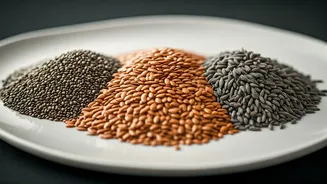
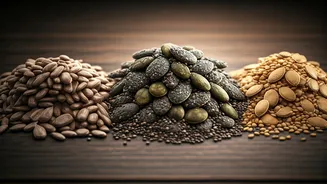
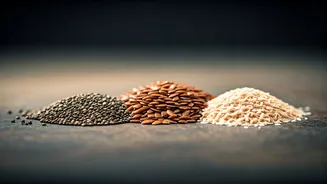
Seeds, from chia to pumpkin, are miniature nutritional marvels, delivering essential fibre, beneficial fats, plant-based proteins, and a spectrum of vital
micronutrients. They're packed with omega-3 fatty acids, magnesium, zinc, iron, and potent antioxidants. Their high fibre content is crucial for a healthy gut and plays a key role in stabilizing blood sugar levels. However, the extent of these health advantages hinges significantly on how these seeds are consumed. To clarify the healthiest consumption methods, expert advice suggests that the ideal preparation—whether raw, soaked, or roasted—depends on the specific seed variety, individual digestive ease, and the precise nutritional outcomes one aims to achieve.
Embracing Seeds Raw
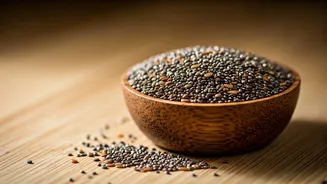
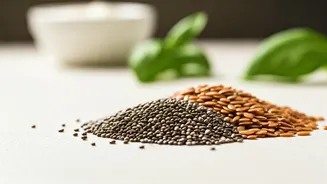
Consuming seeds in their raw state offers a direct pathway to their complete nutritional profile, as they haven't been subjected to any heat treatments. This method is particularly advantageous for preserving delicate nutrients like omega-3 fatty acids, which can be sensitive to temperature. For certain seeds, such as flaxseeds, grinding them before consumption significantly aids nutrient absorption. In the case of chia seeds, pairing them with fluid is recommended to prevent potential digestive discomfort. Generally, raw seeds are an excellent choice, provided they are fresh and stored correctly to prevent the natural oils from becoming rancid, thus maintaining their integrity and nutritional quality.
The Benefits of Soaking
Soaking seeds in water for a duration ranging from several hours to overnight can notably enhance their digestibility. Research indicates that this process helps diminish levels of phytic acid, a compound that can hinder mineral absorption, thereby potentially boosting the bioavailability of essential minerals. Soaking also initiates enzyme activity, kickstarting the germination process which may lead to an increase in certain antioxidant compounds. Chia seeds, in particular, transform into a gel-like substance when soaked, promoting hydration and supporting digestive wellness. Pumpkin and sunflower seeds can also benefit from soaking, especially for individuals with less robust digestive systems, making them easier to process.
Roasting for Flavor
Lightly roasting seeds can significantly improve their taste and texture, making them more appealing for regular consumption. The key is to roast them at lower temperatures, using minimal or no oil and seasonings, to avoid compromising their inherent nutritional value. Roasting can enhance the natural flavours and introduce a satisfying crunch, increasing their versatility in meals. Dry-roasting, when done gently, can retain a substantial portion of the nutritional benefits while elevating the sensory experience. For instance, lightly roasted flaxseeds become wonderfully crunchy and are a perfect addition to salads and various dishes. However, it's crucial to be aware that excessive heat can damage heat-sensitive fats and diminish certain antioxidant levels.
Choosing Your Method
There isn't a universal 'best' way to prepare all seeds for all individuals. Raw seeds excel at preserving delicate nutrients and are ideal when they are fresh and stored properly. Soaked seeds tend to be gentler on the digestive system and may offer a slight improvement in mineral absorption. Roasted seeds provide an enhanced flavour and crunch, with nutritional losses being minimal if they are prepared carefully at low temperatures. The ultimate healthiest approach involves incorporating a diverse range of seeds prepared through various methods to optimize digestion, retain nutrient quality, and seamlessly integrate them into your daily diet. Moderation remains a key principle, ensuring seeds are consumed in appropriate quantities.