






A Growing Concern
Cancer remains a critical global health challenge, claiming millions of lives annually. In India, projections indicate a concerning rise in cases, with
an estimated 16 lakh patients by 2025, up from 14 lakhs in 2023, highlighting its escalating impact. While many may not realize it, cancer is largely preventable. Proactive measures, particularly through diet, play a pivotal role in mitigating risk. Understanding the link between what we eat and our susceptibility to cancer is key to a proactive approach. This information is crucial for public health awareness, emphasizing that simple dietary adjustments can be a significant step towards reducing one's chances of developing this disease. The focus is on empowering individuals with knowledge about dietary choices that support long-term health and resilience against cancer. The article aims to shed light on scientifically supported dietary strategies that can be easily adopted.
Dietary Pillars of Prevention
While a single 'anti-cancer diet' is largely a misconception, the scientific community, including experts, stresses the importance of an overall dietary pattern. The key lies in consuming a diet that effectively manages inflammation, combats oxidative stress, and regulates insulin resistance. A diet rich in plant-based foods and dietary fiber is instrumental in maintaining a healthy body weight, which acts as a primary defense against the biological processes that can lead to cancer. Conversely, diets high in processed meats, excessive alcohol, and sugary drinks can foster an environment conducive to cancer development. This emphasizes a holistic approach to eating, focusing on nutrient-dense, whole foods rather than restrictive or fad diets. Embracing such a pattern supports the body's natural defenses and contributes to overall well-being.
Nature's Protective Foods
Building a strong defense against cancer relies on consuming a wide array of bioactive-rich foods. This includes an abundance of fruits, vegetables, whole grains, and legumes, as supported by research. These food groups are packed with essential compounds like polyphenols and flavonoids, which bolster immune system function and aid the body's natural detoxification processes. For instance, cruciferous vegetables are excellent sources of sulforaphane, while tomatoes are renowned for their lycopene content. Berries, with their rich anthocyanins, offer significant benefits. Furthermore, high-fiber foods are crucial for maintaining a healthy gut microbiota, which is strongly linked to a reduced risk of colorectal cancers. This diverse nutritional intake supports the body's intricate mechanisms for fighting disease.
Herbal Allies for Defense
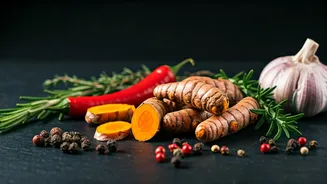
Herbs emerge as powerful allies in a preventative lifestyle, offering unique chemopreventive properties. Garlic and onions, for example, are rich in organosulfur compounds that research suggests can interfere with tumor signaling pathways. Ginger contains gingerols, known for their potent anti-inflammatory benefits. When these herbs are regularly integrated into one's diet, they contribute more than just flavor. They actively help modulate the molecular pathways within the body that are essential for preventing the initiation and progression of tumors. Their inclusion in daily meals provides a subtle yet effective layer of defense, supporting the body's innate ability to protect itself from cancerous development and growth. This natural approach complements other healthy habits.
Spice Up Your Prevention
Spices are concentrated powerhouses of phytochemicals, forming a crucial element of an anti-cancer diet. Turmeric, with its active compound curcumin, is extensively studied for its ability to influence multiple molecular pathways involved in the onset and spread of cancer cells. Cinnamon, due to cinnamaldehyde, has demonstrated positive effects on the gut microbiome and can inhibit inflammation, thereby aiding in cancer prevention. Cloves have also shown promise, with studies indicating that clove extract can effectively inhibit tumor growth. By incorporating a variety of spices into regular meals, individuals benefit from a continuous supply of antioxidants that actively combat cellular damage caused by oxidative stress, a significant contributor to chronic disease.
Traditional Indian Botanicals
Traditional Indian medicine offers a rich heritage of herbs known for supporting long-term metabolic and immune health. Botanicals such as Tulsi (Holy Basil), Ashwagandha, and Amla (Indian Gooseberry) are highly valued for their ability to harmonize the immune system and provide protection against cellular stress. Neem, Giloy (Tinospora cordifolia), Moringa, and the polyherbal formulation Triphala are also instrumental in fostering gut integrity and maintaining metabolic balance. It is important to note that while these herbs are not standalone 'cures,' they form an indispensable part of a holistic lifestyle. When combined with regular physical activity, this approach creates a robust foundation for significantly reducing overall cancer risk.