






Rice and Fat Loss
Contrary to popular belief, you can indeed pursue weight and belly fat reduction while including rice in your daily meals. The key to shedding pounds and inches
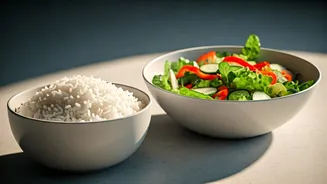
lies not in eliminating specific foods, but in managing your overall calorie intake, maintaining stable insulin levels, and composing your meals thoughtfully. Many traditional Asian diets, which prominently feature rice, are associated with lean physiques. The secret lies in precise portion management, ensuring your rice is accompanied by sufficient protein sources and a generous serving of vegetables, while minimizing the consumption of overly processed or refined food items alongside it. For individuals focused on weight loss, a sensible serving size typically ranges from half to one cup of cooked white rice per meal. This recommendation can fluctuate based on your activity level and individual body mass. Consistently consuming larger quantities may lead to an caloric surplus, whereas adhering to smaller, well-controlled portions can help prevent rapid blood sugar spikes and promote fat burning. The majority of your plate should be dedicated to nutrient-dense vegetables and lean protein.
Mindful Rice Consumption
White rice itself is not the culprit behind weight gain; rather, the issue stems from how it's consumed – specifically, the portion sizes, the overall balance of the meal, and broader lifestyle habits. When white rice is eaten with awareness and complemented by adequate protein, fibre, and healthy fats, it can seamlessly integrate into a weight loss regimen without contributing to fat accumulation. The perception of white rice as an enemy to weight loss is largely misguided. The actual challenge resides in understanding and implementing proper portion control, ensuring meal composition is balanced, and adopting a holistic approach to your overall lifestyle choices. By doing so, you can enjoy white rice as part of a healthy eating plan.
Weight-Loss Friendly Rice
Transforming white rice into a diet-friendly option involves several strategic adjustments. Firstly, strict portion control is paramount; always be mindful of how much you are serving yourself. Secondly, ensure your rice is always paired with a robust source of protein, such as lentils (dal), paneer, tofu, eggs, or fish, to enhance satiety and provide essential nutrients. Thirdly, incorporate a significant quantity of vegetables into your meal; their fibre content aids digestion and helps you feel fuller for longer. Fourthly, include small amounts of healthy fats, like a touch of ghee or a few nuts, to add flavour and nutritional value. Finally, make a conscious effort to avoid refined side dishes that are typically fried or heavily laden with sugar, opting instead for healthier accompaniments. The method of cooking also plays a role; steamed or boiled rice is a far healthier choice compared to fried rice or other highly processed rice preparations.
Rice and Weight Gain
White rice, on its own, does not automatically induce weight gain. Weight accumulation occurs when your body consistently consumes more calories than it expends. As a refined carbohydrate, white rice possesses a higher glycaemic index, meaning it is digested rapidly, leading to quicker elevations in blood sugar levels. When consumed in excessive quantities, frequently, and without sufficient accompanying protein, fibre, or healthy fats, it can contribute to fat storage, particularly around the abdominal area. However, when white rice is eaten in measured portions as part of a balanced meal, it does not inherently cause weight gain. Intriguingly, research from 2019 suggests that white rice might not be a direct cause of weight gain, noting the low obesity rates in countries where rice is a dietary staple. For instance, the obesity rate in Japan, a nation with a rice-centric diet, stands at a mere 4% according to the World Health Organization (WHO). This contrasts sharply with the United States, where approximately 42.4% of individuals are considered obese, as reported by the Centers for Disease Control and Prevention (CDC).
Benefits and Side Effects
White rice is a favoured staple for many due to its versatility and ease of pairing with a wide array of dishes, from flavourful curries and roasted vegetables to savoury sauces, making it a globally beloved grain. However, a common concern arises: can consuming white rice lead to weight gain? Let's delve into its benefits and potential drawbacks. Benefits: White rice is easily digestible, naturally gluten-free, and provides a swift source of energy, making it ideal for individuals with sensitive digestive systems, during periods of illness, or post-workout when rapid energy replenishment is needed. Side Effects: Due to its low fibre content and rapid digestion, overconsumption of white rice can trigger blood sugar spikes. This can subsequently lead to increased hunger shortly after meals and, over time, promote fat accumulation, especially in sedentary individuals or those with insulin resistance. Grain varieties that digest more slowly are generally more conducive to fat loss. Options like brown rice, red rice, black rice, and parboiled rice are richer in fibre and exert a lower glycaemic impact compared to white rice. These alternatives aid in promoting satiety and better blood sugar regulation. Nevertheless, white rice can still be incorporated into your diet occasionally, provided portions are kept in check and meals are well-balanced.