





Beyond the Stereotypes
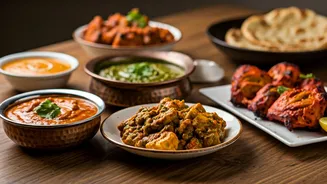
The perception that Indian food is inherently unhealthy often stems from a limited understanding of its vast diversity and preparation techniques. While
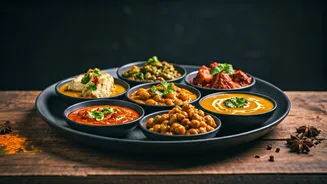
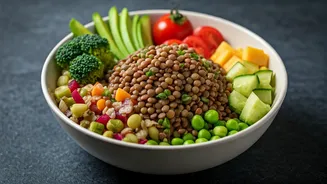
some popular dishes might be rich and indulgent, the foundation of Indian cooking is built on a wide array of nutrient-dense ingredients. Lentils (dal), a staple in many Indian households, are packed with protein and fiber, contributing to satiety and digestive health. Similarly, a rich variety of vegetables forms the backbone of many regional cuisines, offering essential vitamins, minerals, and antioxidants. Whole grains like wheat, rice, and millets are also central, providing complex carbohydrates for sustained energy. The intelligent use of spices, beyond just flavour, introduces powerful anti-inflammatory and antioxidant properties, benefiting overall well-being. Therefore, it's inaccurate to broadly label Indian cuisine as unhealthy; rather, its nutritional profile is highly dependent on the specific dishes chosen and their preparation methods, allowing for a spectrum from hearty indulgence to incredibly wholesome meals.
Nutrient-Rich Staples
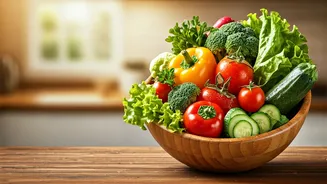
The heart of healthy Indian eating lies in its fundamental ingredients. Lentils and legumes, such as chickpeas, kidney beans, and various dals, are nutritional powerhouses. They are excellent sources of plant-based protein, dietary fiber, iron, and folate, all crucial for maintaining energy levels, supporting muscle health, and aiding in digestion. These ingredients are often cooked into comforting and filling dishes that can be part of a balanced meal. Furthermore, the extensive use of fresh vegetables in Indian cooking is a significant health advantage. From leafy greens like spinach and fenugreek to root vegetables and gourds, they provide a broad spectrum of vitamins (A, C, K), minerals (potassium, magnesium), and antioxidants that help combat cellular damage and reduce the risk of chronic diseases. Incorporating whole grains like whole wheat (atta for rotis and chapatis), brown rice, and millets further enhances the nutritional value by offering complex carbohydrates for sustained energy release and additional fiber.
Spice Benefits & Preparation
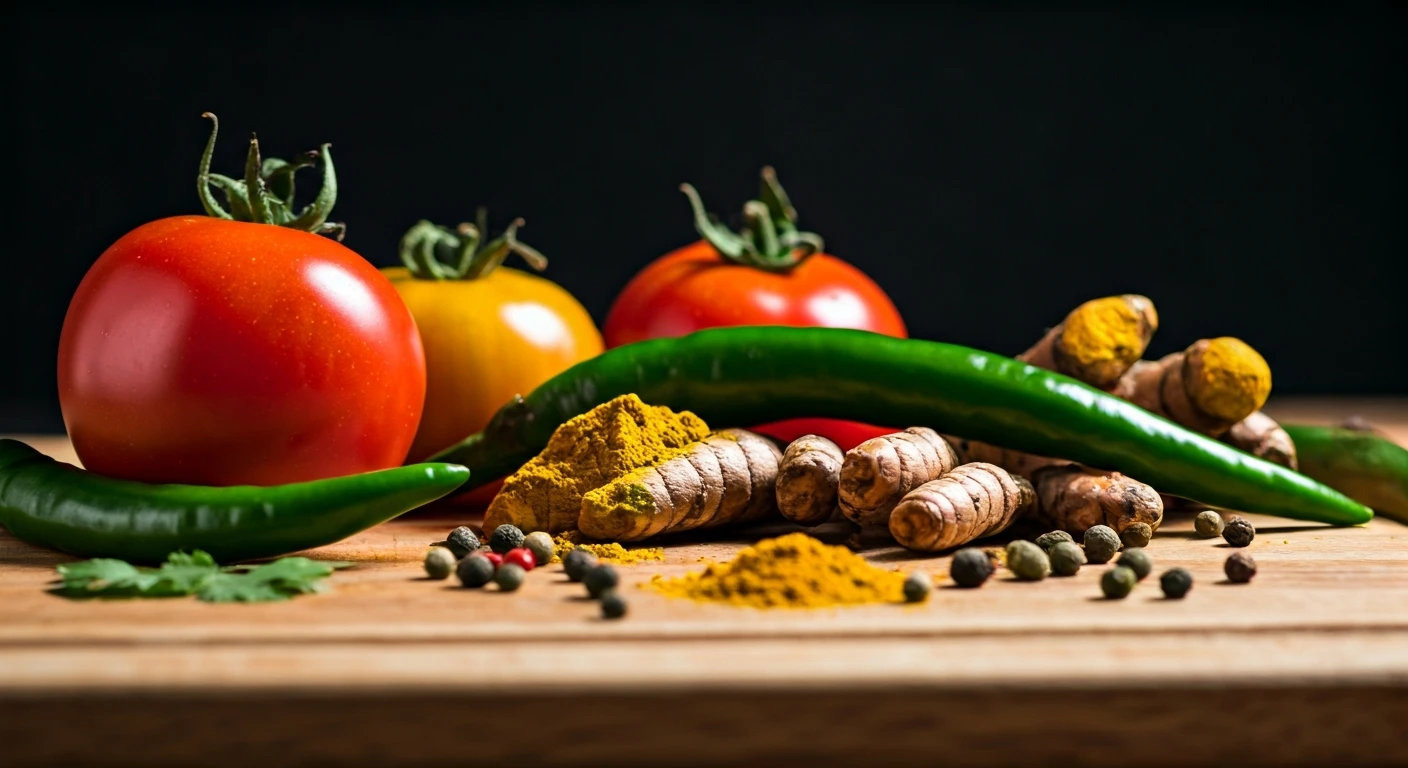
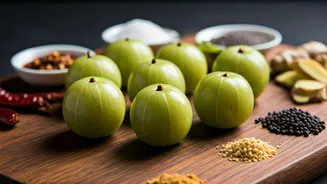
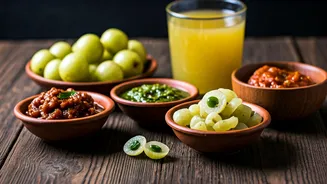
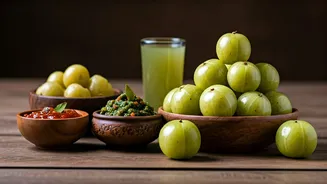
Indian spices are not just about adding zest to dishes; they are renowned for their medicinal properties. Turmeric, with its active compound curcumin, is a potent anti-inflammatory and antioxidant. Cumin, coriander, and fenugreek seeds aid digestion and have various health benefits. Ginger and garlic are well-known for their immune-boosting and anti-microbial properties. When it comes to preparation, traditional methods often emphasize techniques that enhance nutrition. For instance, tempering spices in minimal oil (tadka) releases their flavours and beneficial compounds without excessive fat. Steaming, boiling, and light sautéing are common cooking methods that preserve the inherent nutrients in ingredients. While some popular restaurant dishes might use generous amounts of ghee, cream, or oil, home-style cooking often focuses on balance and moderation. Understanding these nuances of spice usage and cooking techniques is key to appreciating the potential health benefits embedded within Indian cuisine.
Making Healthier Choices
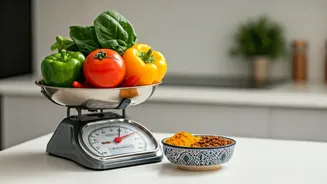
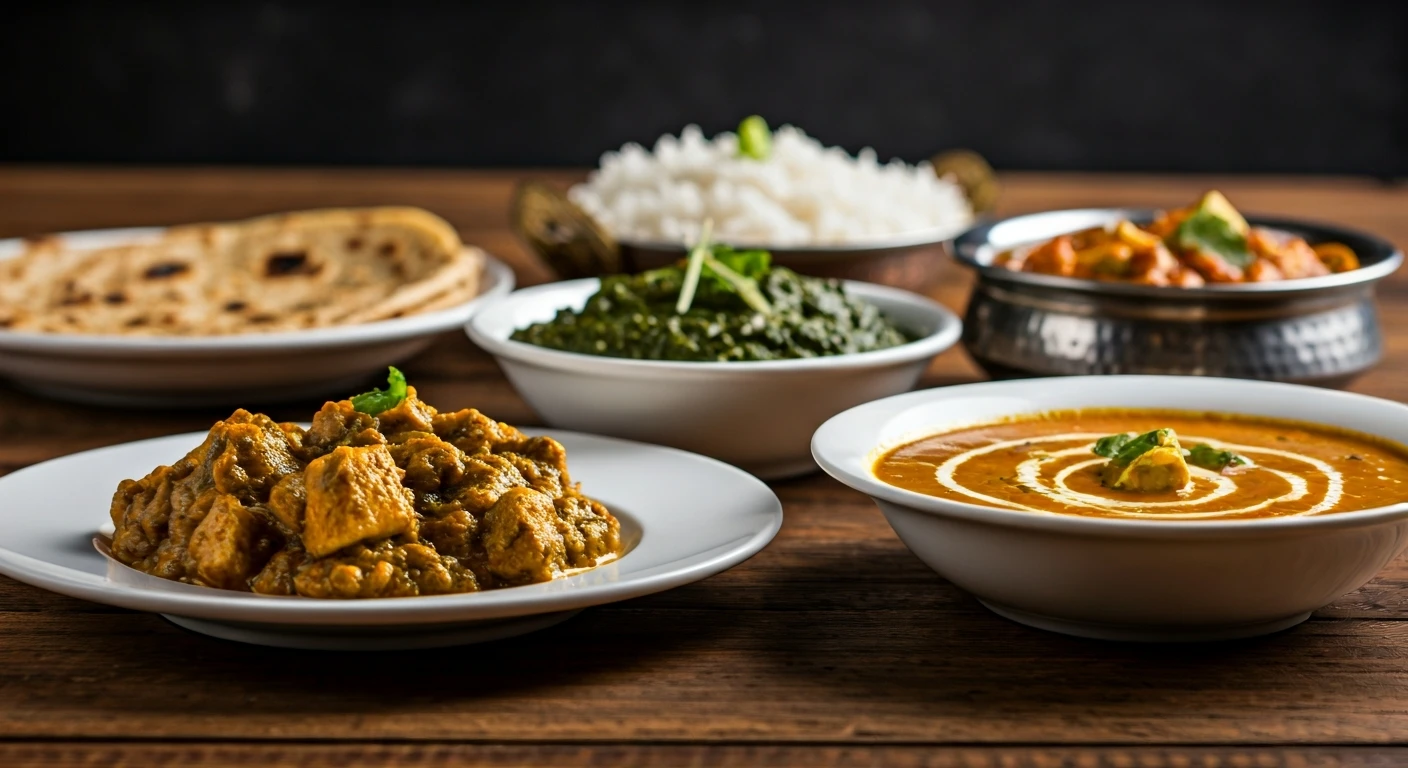
Navigating Indian cuisine for optimal health involves making informed choices and understanding how to adapt traditional recipes. Opting for steamed rice or whole wheat rotis instead of fried options like puris is a simple yet effective way to reduce calorie and fat intake. When dining out, be mindful of dishes that are heavily cream-based or fried, and consider lighter options like lentil soups (dal), vegetable curries cooked with less oil, or grilled tandoori preparations. At home, controlling the amount of oil, ghee, or sugar used in cooking is paramount. Experimenting with a wider variety of vegetables and lean protein sources, such as chicken or fish, can further enhance the nutritional balance. Incorporating fermented foods like dosa and idli, which are also popular in Indian cuisine, can contribute to gut health. Ultimately, a mindful approach to selection and preparation allows one to fully enjoy the rich flavours and textures of Indian food while reaping its significant health benefits.