






Understanding Inflammation's Impact
Inflammation, although a natural bodily response to injury or infection, can turn problematic when it becomes chronic. This ongoing inflammation is linked
to numerous health issues such as heart disease, diabetes, and certain types of cancer. It can also cause symptoms like persistent fatigue, joint pain, and digestive problems. Therefore, managing inflammation through lifestyle choices, particularly diet, is crucial for overall health and longevity. Recognizing the signs of inflammation and adopting an anti-inflammatory eating pattern can significantly improve your quality of life. Making informed dietary decisions can serve as a cornerstone in defending against the adverse effects of chronic inflammation. By consciously incorporating foods with inflammation-fighting properties, you can actively protect and support your body’s natural defenses and promote well-being. This proactive approach underscores the vital connection between nutrition and long-term health, suggesting that what we eat has a profound influence on our bodies' ability to function optimally and fend off disease.
Embracing Anti-Inflammatory Diets
Shifting toward an anti-inflammatory diet involves emphasizing foods known for their inflammation-reducing properties, while simultaneously limiting those that can trigger or worsen inflammation. This dietary approach places a strong emphasis on consuming whole, unprocessed foods. This means a rich intake of fruits, vegetables, lean proteins, and healthy fats such as those found in avocados and olive oil. Minimizing the intake of processed foods, refined carbohydrates, and sugary drinks is also crucial, as these can promote inflammation. Additionally, reducing consumption of red and processed meats, as well as saturated and trans fats, is important. A successful transition to this eating style frequently involves mindful meal preparation and planning to ensure a well-rounded intake of nutrients. This may involve incorporating practices like meal prepping, which can help one prepare healthier meals. These steps not only help reduce inflammation but also support overall health and energy. By consciously aligning your eating habits with anti-inflammatory principles, you establish a solid foundation for improved health and well-being, while effectively combating chronic health problems.
Berries: Nature's Antioxidants
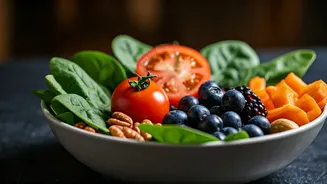
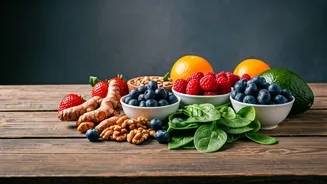
Berries, like blueberries, strawberries, raspberries, and blackberries, are loaded with antioxidants such as anthocyanins, which give them their vibrant colors. These antioxidants combat oxidative stress, a key contributor to inflammation. They do this by neutralizing free radicals, unstable molecules that can damage cells and promote inflammation. The rich array of nutrients and antioxidants in berries make them an excellent addition to any diet. For example, blueberries, with their high anthocyanin content, have shown promising effects in improving cognitive function and reducing inflammation. Strawberries are also packed with antioxidants and vitamin C, supporting immune health. Incorporating a variety of berries into your daily diet is an enjoyable and delicious strategy to boost your intake of inflammation-fighting compounds, supporting your overall health. These fruits are incredibly versatile and can be added to breakfast smoothies, eaten as snacks, or used in desserts.
Fatty Fish: Omega-3 Powerhouse
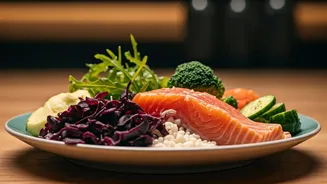
Fatty fish, including salmon, mackerel, tuna, and sardines, are rich sources of omega-3 fatty acids, particularly EPA and DHA. These omega-3s are renowned for their potent anti-inflammatory effects. They combat inflammation by modulating the body's inflammatory pathways, reducing the production of inflammatory molecules. Consuming fatty fish regularly can significantly reduce the risk of several chronic diseases. The omega-3s found in these fish have been linked to improved heart health, reduced joint pain, and enhanced cognitive function. Including a couple of servings of fatty fish in your diet each week is a straightforward way to harness the benefits of omega-3s. For individuals who do not consume fish, or those seeking an alternative, omega-3 supplements, sourced from algae or fish oil, offer a viable method of obtaining these important nutrients. This ensures they have access to inflammation-fighting compounds for optimal health.
Leafy Greens: Nutritional Giants
Leafy green vegetables, like spinach, kale, and collard greens, are dense with nutrients and rich in antioxidants. They are excellent sources of vitamins, minerals, and phytonutrients that can help reduce inflammation. These vegetables offer a wealth of health benefits. Spinach, for example, is rich in vitamins A, C, and K, as well as several antioxidants. Kale also contains high levels of vitamin K, which is essential for bone health. These vegetables are versatile and easy to incorporate into meals. They can be added to salads, smoothies, or sautéed as a side dish. Regular consumption of leafy greens can contribute to improved overall health and can help counteract inflammation. The consistent inclusion of these vegetables is a simple yet impactful strategy to enhance your diet and boost your immune system's strength. Their ability to deliver a broad spectrum of vital nutrients makes them an essential component of an anti-inflammatory eating strategy.
Olive Oil: A Heart-Healthy Choice
Extra virgin olive oil is a fundamental ingredient in many Mediterranean diets and is known for its strong anti-inflammatory qualities. It contains oleocanthal, a compound that acts similarly to ibuprofen, reducing inflammation by interfering with the same pathways. Oleocanthal is known for its ability to lower the body’s inflammatory responses, making it a valuable addition to an anti-inflammatory diet. Choosing high-quality extra virgin olive oil ensures the intake of beneficial compounds that contribute to its anti-inflammatory effects. Using olive oil in cooking or as a salad dressing not only improves the flavor of foods but also helps the health benefits of the food. It is crucial to use it in its raw form to obtain the most advantages. Incorporating olive oil into your daily diet is an easy way to promote heart health and fight inflammation. This simple dietary adjustment contributes significantly to promoting overall health and well-being. Using olive oil also adds a pleasant taste to meals, making it a delicious choice as well.
Nuts and Seeds: Nutritious Boost
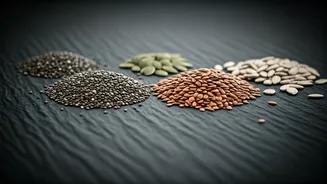
Nuts and seeds, like almonds, walnuts, chia seeds, and flaxseeds, are excellent sources of healthy fats, fiber, and antioxidants, contributing significantly to an anti-inflammatory diet. They offer a diverse range of nutrients that support overall health and well-being. For example, walnuts are rich in omega-3 fatty acids, which combat inflammation. Almonds are loaded with vitamin E, another potent antioxidant, while flaxseeds are excellent sources of fiber and also contain omega-3 fatty acids. These additions offer benefits for the heart, brain, and other essential processes. Incorporating nuts and seeds into meals is a straightforward approach to enhance your nutritional intake. You can add them to cereals, yogurts, or salads. This improves the texture of the meals, as well as the nutrition profile. By choosing a variety of nuts and seeds, you can capitalize on a wider range of essential nutrients, supporting your body’s natural defenses and contributing to improved overall health.
Turmeric: The Golden Spice
Turmeric, a vibrant yellow spice often used in Indian cuisine, is celebrated for its potent anti-inflammatory properties. Curcumin, the active compound in turmeric, is a powerful antioxidant that helps reduce inflammation at a molecular level. It works by blocking certain molecules that are linked to inflammation. Consuming turmeric, particularly when combined with black pepper, helps in enhancing the absorption of curcumin by the body. Research suggests curcumin can provide relief from joint pain, arthritis, and other inflammatory conditions. It is easy to incorporate turmeric into your diet. Using it in curries, soups, and smoothies is a great way to boost its benefits. Consistent use of turmeric can support overall health. The anti-inflammatory advantages can lead to improved physical well-being. This golden spice is an easy-to-use and efficient addition to an anti-inflammatory diet.
Ginger: A Digestive Aid
Ginger, a root with a distinctive flavor, is well-known for its anti-inflammatory properties and its ability to soothe digestive issues. Gingerol, the active compound in ginger, acts as an antioxidant and can reduce inflammatory markers in the body. It helps in relieving pain, and inflammation. Consuming ginger, either fresh, dried, or as a supplement, can provide significant benefits. Ginger tea is a common beverage, particularly appreciated for its calming effect on the digestive system and its ability to reduce nausea. Integrating ginger into your daily diet is simple and enjoyable. It can be added to stir-fries, teas, smoothies, or used as a spice in various recipes. Adding this versatile ingredient to your dietary plan can support both digestive health and overall well-being. Its ability to combat inflammation can improve your daily health, making it a valuable addition to any eating plan.
Conclusion: Eat for Wellness
Incorporating anti-inflammatory foods into your diet is a powerful step towards improving overall health and reducing the risk of chronic diseases. By including a variety of fruits, vegetables, healthy fats, and spices, you are providing your body with the nutrients needed to combat inflammation. This approach isn't just about avoiding certain foods; it's about embracing a lifestyle that emphasizes whole, unprocessed ingredients. This includes making conscious choices about what you eat. Choosing meals that prioritize fresh and minimally processed components can lead to better health outcomes and a higher quality of life. The foods mentioned in this article serve as guidelines for creating a diet that effectively supports the body’s natural defenses and supports your overall health goals. With a bit of planning and knowledge, you can create delicious and nutritious meals that support your long-term health and well-being.