





Summer's Refreshing Duo
As the mercury rises, refreshing fruits become essential for staying cool and revitalized. Among the season's favorites are muskmelon and watermelon, both
readily available and easy to incorporate into our diets. While they offer a delightful way to quench thirst, their nutritional profiles present different advantages. To truly understand which fruit serves your body best, it's beneficial to explore their individual strengths, as their benefits cater to distinct needs during the sweltering summer months. This comparison will illuminate their unique contributions to your health and well-being.
Watermelon's Hydration Powerhouse
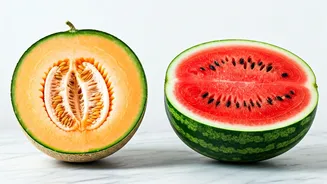
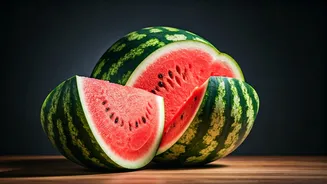
Watermelon stands out with its exceptionally high water content, typically ranging from 90-92%. This makes it an unparalleled ally in combating dehydration and cooling the body during intense heat. Beyond its hydrating properties, watermelon is easily digestible, providing essential relief when the temperatures soar. It also boasts a significant amount of antioxidants, notably lycopene, which contributes to skin and heart health. Research indicates that individuals who consume watermelon tend to have a higher intake of key electrolytes like potassium and magnesium, vital minerals lost through perspiration. Studies also suggest that watermelon consumers exhibit better overall dietary quality, highlighting its role in a balanced diet.
Muskmelon's Nutrient Boost
While muskmelon, also known as cantaloupe, contains slightly less water than watermelon, it compensates with a richer concentration of nutrients. It serves as an excellent source of essential vitamins, including Vitamin A, crucial for maintaining good vision, and Vitamin C, which bolsters the immune system. These vitamins are particularly beneficial during summer when fatigue can set in. Furthermore, muskmelon offers valuable dietary fiber, promoting digestive health and contributing to a prolonged feeling of fullness. This makes it an advantageous choice for those seeking to manage their appetite or control food intake effectively.
Choosing Your Champion
The selection between muskmelon and watermelon ultimately hinges on your immediate health objectives. If your primary goal is to rehydrate and cool down, watermelon's high water content makes it the superior option, especially after physical activity or when feeling overheated. Conversely, if your focus is on boosting nutrient intake and supporting digestive well-being, muskmelon emerges as the more advantageous choice. It provides a well-rounded mix of vitamins and fiber, often accompanied by a sweeter taste and a more satisfying, filling sensation.
Calorie-Conscious Choices
Both muskmelon and watermelon are naturally low in calories, positioning them as excellent options for weight management diets. As an expert highlights, their low caloric density allows for enjoyable consumption without significant concern for weight gain, provided they are eaten in moderation. This makes either fruit a guilt-free addition to your summer eating plan, supporting both hydration and nutritional needs while keeping calorie counts in check.