





The Iftar Imperative
Ramadan's observance demands a thoughtful approach to post-fast nourishment. As the sun dips below the horizon, marking the end of the day's fast, the Iftar
meal becomes more than just sustenance; it's a vital opportunity for the body to recover and replenish its depleted reserves. Following hours without food or drink, blood sugar levels can dip, leading to fatigue and dehydration. A well-planned Iftar meal is essential for a gradual recovery, ensuring consistent energy levels throughout the evening and supporting overall health. The selection of foods plays a pivotal role in this restorative process, moving beyond mere hunger satisfaction to actively contribute to hydration, energy restoration, and maintaining bodily equilibrium.
Traditional Dates Delight
Dates stand out as the quintessential food for breaking the fast, revered for their natural energy-boosting properties. These sweet fruits are a powerhouse of glucose and fructose, providing an immediate yet sustained energy release. Their significant fibre content aids in gentle digestive system activation, while potassium and iron contribute to overall well-being. Consuming dates alongside water or a simple lemon-infused drink further enhances fluid replenishment, making them an ideal start to Iftar. This traditional choice offers a perfect balance, offering quick energy without overwhelming the system.
Fruity Yogurt Fusion
A refreshing combination of fresh fruits and yoghurt presents an excellent choice for Iftar. Fruits like watermelon, apples, bananas, and papaya are brimming with essential vitamins and natural hydration. The addition of yoghurt introduces beneficial probiotics, crucial for maintaining a healthy gut microbiome and promoting smoother digestion. This light and easily digestible mix helps mitigate the risk of acidity and digestive discomfort, providing a gentle and nutritious option to begin the evening meal. It’s a simple yet effective way to incorporate essential nutrients and hydration.
Protein for Power
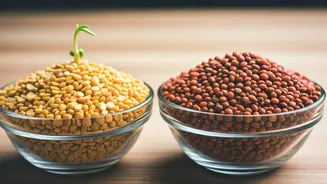
Incorporating protein-rich foods at Iftar is paramount for sustained energy and aiding muscle recovery after the day's fast. Instead of opting for heavily processed or fried snacks, focus on options like sprouted lentil salads, chaat made with chickpeas, or lightly grilled paneer. These sources of plant-based protein are exceptionally effective at promoting satiety, keeping you feeling full for extended periods. They offer superior nutritional benefits compared to greasy alternatives, ensuring your body receives the building blocks it needs for recovery and continued energy throughout the evening.
Soothing Soups Start
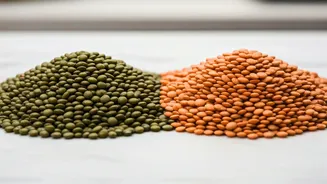
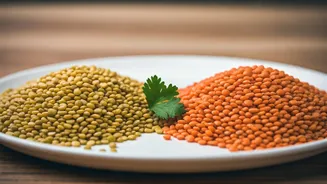
Soups serve as an ideal rehydrating and gently fortifying start to your Iftar meal. Opting for vegetable broths or lentil-based soups, such as Dal soup, is highly beneficial for replenishing lost electrolytes and fluids. The warm, light nature of soup prepares the digestive system gradually, preventing the common post-fast discomfort of feeling overly full or bloated. A comforting bowl of soup acts as a perfect precursor to the main course, easing the transition and ensuring your stomach is ready to receive further nourishment.
Whole Grains' Steadiness
Choosing whole grains like oats, porridge, or multigrain flatbreads provides complex carbohydrates that release energy gradually. This slow energy release is key to stabilising blood sugar levels and preventing sudden bouts of hunger later in the evening. The high fibre content found in these foods also significantly aids digestion and contributes to a prolonged feeling of fullness. By incorporating whole grains into your Iftar, you ensure a steady supply of energy and maintain digestive comfort.
Nuts and Seeds
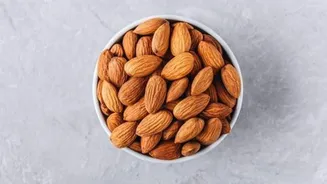
A handful of nuts and dried fruits such as almonds, walnuts, and raisins can be a beneficial accompaniment to your main Iftar meal. These nutrient-dense snacks are packed with healthy fats, protein, and essential micronutrients that support the body's recovery processes. However, moderation is crucial, as these foods are calorically dense. It is advisable to consume them in controlled portions to reap their benefits without exceeding your nutritional needs.
Hydration is Key
While plain water remains the most effective hydrator, other light beverages can also contribute positively to Iftar recovery. Coconut water, with its natural electrolytes, and freshly squeezed lemonade offer refreshing ways to rehydrate. It is important to steer clear of highly caffeinated beverages and fizzy drinks, as these can inadvertently lead to further dehydration. Prioritising hydrating options ensures your body effectively replenishes fluids lost during the day's fast.