






Warm Foods For Comfort
As the temperature drops, our bodies tend to slow down, and this includes our digestive processes. Embracing warm, easily digestible foods can significantly
ease the burden on your gut during winter. Think comforting bowls of soupy khichdi, gentle oat porridges, and sautéed or steamed vegetables. These cooked options break down fiber and plant structures more effectively than raw meals, enhancing nutrient absorption and reducing the likelihood of uncomfortable gas and bloating. Conversely, overindulging in fried, oily, and highly processed foods can exacerbate digestive sluggishness and lead to a feeling of heaviness. Warm meals are also inherently more satisfying, which naturally helps curb overeating and prevent another common cause of bloating.
Fiber, Wisely Integrated
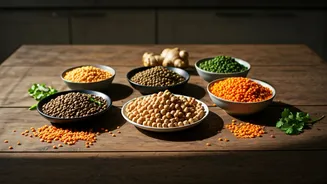
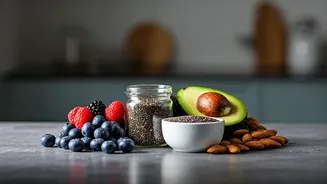
Fiber is crucial for maintaining regular bowel movements, but winter isn't the time to go overboard with raw, fibrous foods like large, uncooked salads, which can sometimes worsen bloating for sensitive individuals. The key is to focus on cooked and soluble fiber sources. Excellent winter choices include well-cooked vegetables, fruits such as papaya, apples, and pears, and whole grains like millets and brown rice. Legumes like beans and lentils, when properly soaked and cooked thoroughly, are also beneficial. Soaking beans and lentils before cooking helps break down compounds that can cause gas. It's also advisable to increase fiber intake gradually rather than making a sudden, substantial jump to prevent discomfort and excess gas.
Hydration Habits Matter
It's common for our water intake to decrease during the winter months because we often don't feel as thirsty. However, staying adequately hydrated is vital for keeping stools soft and ensuring smooth intestinal transit. Instead of reaching for ice-cold beverages, opt for warm water throughout the day, soothing herbal teas, or light vegetable broths. Beyond food choices, supportive eating habits play a significant role. Experts recommend eating meals slowly, avoiding large dinners late at night, and sticking to consistent meal timings. These simple practices can dramatically reduce digestive stress and improve how your body processes nutrients, ensuring a more comfortable and efficient digestive system all season long.