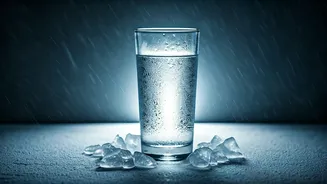







Winter's Hydration Challenges
Winter presents unique hydration challenges, often because we don't feel as thirsty. Cold air holds less moisture, leading to drier skin and increased
fluid loss through breathing. Indoor heating further exacerbates this, creating a dehydrating environment. We tend to drink less water when it's cold, mistaking thirst cues for other winter ailments. Furthermore, the body prioritizes conserving heat, which can make it harder to recognize dehydration symptoms, making consistent hydration a critical focus. Understanding these elements is the first step toward safeguarding your health during the winter months. Recognizing these hidden challenges and proactively combating them is essential to staying healthy and energized throughout winter.
Root Causes of Dehydration
Winter dehydration stems from multiple sources. Reduced water intake is a significant contributor, partly due to less perceived thirst. Dry air, both outside and inside heated spaces, draws moisture from the skin and respiratory passages, leading to increased fluid loss. The body works harder to maintain warmth, increasing metabolic rate and, consequently, water requirements. Certain winter activities, like skiing or ice skating, also contribute to fluid loss. Respiratory illnesses, common in winter, can also increase fluid loss through fever and increased breathing. Moreover, diuretic effects of some winter beverages (e.g., coffee, tea) contribute to dehydration. Addressing these multiple factors requires a conscious effort towards increased fluid consumption and creating a more hydrating environment.
Sure-Shot Hydration Techniques
Implementing effective hydration strategies is crucial during winter. Carry a reusable water bottle and sip water consistently throughout the day. Embrace warm beverages like herbal teas, which provide hydration without the shock of cold water. Add hydrating foods such as soups and stews to your diet. Set reminders to drink water at regular intervals, especially before and after physical activities. Monitor urine color as a simple indicator of hydration levels; aim for a pale yellow hue. Remember, incorporating these practices into daily routines ensures the body remains adequately hydrated. Furthermore, making hydration a conscious effort will support overall health and wellbeing during the winter months, when the risk of dehydration is heightened.
Warm Fluids' Advantage
Warm fluids provide a distinct advantage for winter hydration. Warm beverages are absorbed by the body more effectively than cold ones, because the body does not need to warm them before absorption. Warm fluids can also be more comforting and enjoyable to consume in cold weather. Soups and broths are particularly beneficial, offering hydration alongside essential nutrients. Consuming warm fluids aids in maintaining core body temperature, decreasing the risk of chilling and potential health complications. Choosing warm fluids facilitates hydration and enhances overall winter wellness and offers a soothing experience, promoting relaxation and enjoyment during the colder months.
Water Intake: The Key
Experts consistently emphasize the importance of adequate water intake to maintain hydration and overall health. Aim for at least eight glasses of water per day, and adjust the amount based on activity level and environmental conditions. Recognize that individual hydration needs vary, and pay close attention to personal thirst cues. Hydration needs tend to increase during illness and with increased physical activity. Monitoring urine color is an efficient method of tracking hydration levels. Prioritizing consistent water consumption helps to prevent dehydration, supporting vital bodily functions and improving overall health. Maintaining an adequate intake is especially crucial during winter months to compensate for increased fluid loss and metabolic demands.