





Milk's Protective Role
Contrary to popular belief, consuming calcium from dietary sources like milk typically aids in preventing kidney stones rather than causing them. When
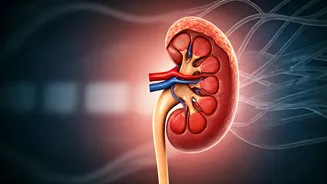
calcium is ingested through food, it actively binds with oxalate in the digestive tract. This binding process significantly reduces the amount of excess oxalate that can be absorbed into the bloodstream and subsequently filtered by the kidneys. Without this dietary calcium to bind to, oxalate can more easily crystallize in the kidneys, forming stones. Therefore, incorporating milk and dairy products into your diet can be a proactive measure against the formation of calcium oxalate stones, the most common variety. This beneficial interaction highlights the importance of obtaining calcium from natural food sources, as opposed to supplements, which can have a different physiological effect.
Supplements vs. Dietary Calcium
The distinction between calcium obtained from food and calcium from supplements is critical when discussing kidney stones. While dietary calcium, as found in milk, plays a preventive role, calcium supplements taken without medical guidance can markedly elevate the risk of stone formation. This heightened risk stems from the way supplements are absorbed; they often cause a rapid 'spike' in urine calcium levels. If these supplements are consumed between meals, when there's no food (and therefore no oxalate) in the digestive tract for the calcium to bind with, the excess calcium is freely filtered by the kidneys. This unfiltered calcium is then more prone to crystallizing and forming stones. Studies indicate that calcium supplements, especially when taken on an empty stomach, can increase stone risk by as much as 20% due to this pronounced 'calcium spike' and the absence of the protective 'gut-binding' effect characteristic of dairy products.
Safe Milk Consumption Levels
For individuals susceptible to developing kidney stones, moderation in dairy consumption is the key recommendation. Experts suggest that consuming two to three servings of dairy products daily, which includes milk, yogurt, or curd, is generally considered safe and beneficial. A single serving can be defined as one glass of milk, one bowl of curd, or a slice of cheese. Adhering to this moderate intake ensures that you benefit from the protective calcium without overwhelming your system. This balanced approach helps in managing oxalate levels effectively, contributing to overall kidney health and reducing the likelihood of stone recurrence. Prioritizing natural food sources for calcium intake supports this strategy.
Milk's Impact on Stone Types
The effect of milk consumption on kidney stones varies depending on the stone's chemical composition. For Calcium Oxalate Stones, the most prevalent type, milk is highly beneficial. The calcium in milk binds to oxalate in the intestines, preventing it from reaching the kidneys and forming crystals. For Calcium Phosphate Stones, the situation is more nuanced due to urine alkalinity, but adequate dietary calcium intake is still deemed protective, and restriction can paradoxically increase risk. Milk is also highly protective for Uric Acid Stones, as it's a low-purine protein source that aids in excreting uric acid. However, for Struvite Stones, which are typically infection-related, milk consumption has no direct impact on their formation or prevention, as treatment focuses on infections and surgical removal.
Low-Fat Milk and Avoiding Milk
Low-fat or skim milk offers a practical choice for individuals looking to maintain their calcium intake while also managing weight or heart health. The calcium content remains comparable to full-fat milk, preserving its stone-preventive benefits. Interestingly, completely avoiding milk from the diet might inadvertently increase the risk of certain kidney stones. A significant reduction in dietary calcium intake can lead to increased oxalate absorption in the intestines, which then gets excreted into the urine. This higher concentration of urinary oxalate can subsequently promote the formation of calcium oxalate stones, underscoring the importance of balanced calcium intake from food sources.
Prevention Tips and CKD Caution
Beyond moderate milk consumption, several lifestyle habits can significantly aid in preventing kidney stones. These include drinking 2–3 liters of water daily to dilute urine, maintaining a balanced calcium intake from food, limiting excessive salt and processed foods, and incorporating plenty of fruits and vegetables into your diet. Avoiding an overconsumption of animal protein is also advised. However, it's crucial for individuals with Chronic Kidney Disease (CKD) to exercise extreme caution with milk. As kidney function declines, the body struggles to filter phosphorus and potassium, which are abundant in milk. Excessive phosphorus intake in CKD patients can lead to serious health complications, including bone weakening and dangerous calcium deposits, necessitating strict limitation of dairy products.