


Beyond the Original
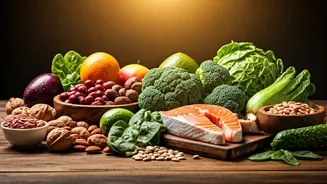
The Mediterranean diet, celebrated for its emphasis on vegetables, fruits, whole grains, fish, and olive oil, has long been associated with longevity and protection
against chronic diseases. However, researchers have explored ways to further optimize its health-promoting properties, leading to the development of the Green Mediterranean diet. This evolved approach delves deeper into the power of plant-based nutrients, specifically polyphenols, known for their potent antioxidant and anti-inflammatory effects. The core idea was to determine if by intensifying the focus on plant-derived compounds and further reducing animal products, particularly red and processed meats, the diet's beneficial impact could be amplified. This dietary modification aims to harness the synergistic effects of increased polyphenol intake and a more restrictive profile of animal-based foods, potentially leading to even greater cardiometabolic health improvements than the traditional version.
Key Components & Gains
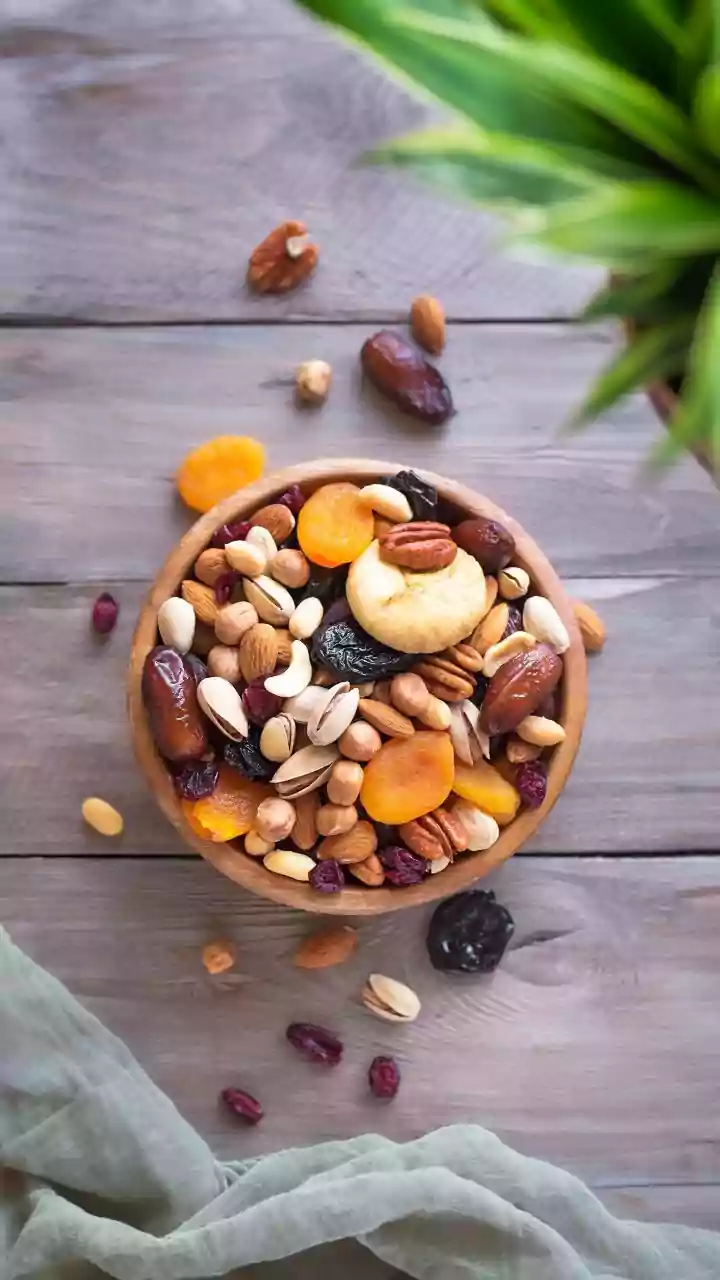
The Green Mediterranean diet builds upon the foundation of its predecessor by entirely eliminating red and processed meats, allowing only limited amounts of fish and poultry. To significantly boost polyphenol intake, it incorporates three specific daily additions: a generous serving of green tea (three to four cups), a plant-based protein shake featuring Mankai duckweed, and an ounce of walnuts. These components were chosen as examples to deliver concentrated beneficial compounds. Research from an 18-month trial indicated that participants following the Green Mediterranean diet experienced more significant improvements in heart-related health markers, such as cholesterol levels and blood pressure, compared to those on a traditional Mediterranean diet or a general healthy eating guidance group. These enhanced outcomes suggest a potent synergy between the increased plant-based nutrient density and the reduced intake of certain animal products, further solidifying the diet's potential for superior cardiometabolic health.
Why It's Healthier
The enhanced health advantages of the Green Mediterranean diet can be attributed to several factors, primarily the amplified intake of plant-based foods and a further reduction in processed items and animal products. This shift naturally increases dietary fiber, essential vitamins, and minerals while simultaneously decreasing sodium and saturated fat consumption, a dual benefit for cardiovascular well-being. The inclusion of a Mankai duckweed shake provides a complete plant-based protein source, delivering all nine essential amino acids along with iron and B12, which are typically found in animal products. This allows for ample protein intake without the associated cholesterol concerns. Furthermore, the abundance of diverse polyphenols from the increased plant consumption plays a crucial role. These compounds combat inflammation by neutralizing harmful free radicals and reducing oxidative stress. They also contribute to improved insulin sensitivity and may play a role in enhanced brain function, as evidenced by study findings linking higher polyphenol intake to better brain structure and cognitive performance.
Who Benefits Most
The Green Mediterranean diet is particularly well-suited for individuals at a higher risk for cardiometabolic issues, such as those with insulin resistance or elevated cholesterol levels, or those with a personal or family history of heart disease. For these populations, the diet's stricter approach may offer a more significant protective effect than the traditional Mediterranean diet. However, individuals who are already at a low risk for heart and metabolic problems might not experience substantially greater benefits from adopting the Green Mediterranean diet compared to the classic version. Conversely, this intensified plant-based approach could pose challenges for individuals with gastrointestinal conditions like inflammatory bowel disease (IBD) or irritable bowel syndrome (IBS). Certain fibers found in plant foods, categorized as FODMAPs, can trigger digestive upset in sensitive individuals. Therefore, if you follow a low-FODMAP diet, consulting a dietitian before embarking on the Green Mediterranean plan is advisable.
Adapting the Diet
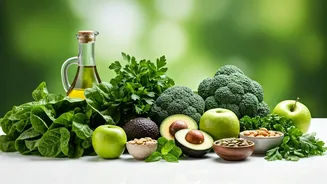
Implementing the Green Mediterranean diet might present practical considerations, such as cost and accessibility of certain ingredients like Mankai duckweed, which isn't widely available in all regions. If the specific components are difficult to obtain or if you find the dietary structure too restrictive or unappealing, there are flexible ways to adopt its core principles. The focus can shift to simply increasing your intake of 'green' foods, such as incorporating more leafy greens into meals or opting for green smoothies with spinach. You can also prioritize swapping animal proteins for plant-based alternatives like tofu, tempeh, quinoa, or chia seeds, or combining various plant-based sources to ensure adequate essential amino acid intake. Ultimately, the key takeaway is to increase consumption of polyphenol-rich foods like berries, legumes, nuts, herbs, and olive oil, emphasizing variety and consistency rather than adhering rigidly to every single guideline. This adaptable approach allows for reaping the benefits of increased plant compounds and proteins in a manner that fits individual budgets, preferences, and lifestyles.