









Oats: A Nutritional Powerhouse
Oatmeal stands out as a nutritional champion due to its balanced composition of complex carbohydrates, plant-based proteins, soluble fiber, and vital micronutrients.
Its primary active component, beta-glucan, acts as a potent soluble fiber that plays a crucial role in maintaining robust heart health and ensuring stable blood sugar levels. Beyond this, oats are packed with essential minerals like iron, magnesium, phosphorus, and zinc, alongside B vitamins, all of which are fundamental for efficient energy metabolism and optimal muscle function. Furthermore, oats uniquely contain avenanthramides, a class of antioxidants found almost exclusively in this grain, which offer significant anti-inflammatory and cardioprotective benefits, making it a truly exceptional food for overall wellness.
Daily Oatmeal: Safe & Beneficial
For the overwhelming majority of individuals, consuming oatmeal on a daily basis is both safe and profoundly beneficial. As a whole food in its most natural form, it offers consistent health advantages, promoting healthy digestive function and providing sustained energy throughout the day. However, experts suggest incorporating a variety of other whole grains, such as millets, quinoa, and brown rice, into your diet alongside oats to ensure comprehensive nutritional intake. The true healthfulness of your daily oatmeal bowl is also significantly influenced by portion control and the judicious selection of toppings. Overindulging or choosing high-sugar additions can diminish its inherent health benefits.
Weight & Appetite Management
Oatmeal can be a powerful ally in your weight loss journey. Its high fiber content is key to its effectiveness, promoting a prolonged sense of fullness that helps curb unnecessary snacking between meals. The beta-glucan within oats slows down the digestive process, which in turn aids in stabilizing blood sugar levels and preventing sudden, intense cravings for unhealthy foods. However, the preparation method is paramount; loading your oatmeal with excessive sugar, syrups, or calorie-dense toppings can easily counteract its weight management properties. Thus, mindful preparation is essential to harness oatmeal's appetite-suppressing and weight-supportive capabilities.
Blood Sugar & Heart Health
Incorporating oatmeal into your daily routine has a remarkable impact on your cardiovascular system and blood sugar regulation. The soluble fiber, particularly beta-glucan, effectively slows down the absorption of carbohydrates, thereby preventing sharp spikes in glucose levels. This characteristic makes oats an excellent dietary choice for individuals managing insulin resistance or type 2 diabetes, provided they are consumed without added sugars. Regarding heart health, beta-glucan actively contributes to lowering LDL, or 'bad' cholesterol. It influences how cholesterol is absorbed within the digestive tract, offering significant protection for your heart.
Oat Varieties & Glycemic Impact
The nutritional benefits and impact on blood sugar can vary slightly depending on the type of oats you choose. Steel-cut oats are the least processed, requiring the longest digestion time, leading to a slower rise in blood sugar and extended satiety. Rolled oats undergo moderate processing but retain a significant portion of their nutritional value. Instant oats, on the other hand, are highly processed and can cause a more rapid increase in blood sugar levels, especially if they contain added flavors or sweeteners. While the plain versions of all three offer comparable nutritional content, the less processed varieties, like steel-cut and rolled oats, generally provide superior blood sugar control.
Optimal Portion & Balanced Meal
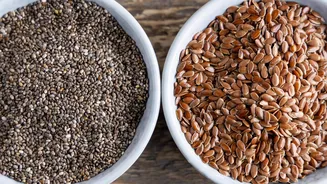
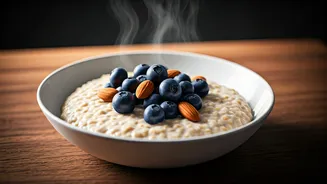
To maximize the benefits of oatmeal without exceeding calorie intake, a standard serving size is typically half a cup of dry oats, yielding approximately one cup when cooked. This portion provides a substantial amount of fiber and nutrients. For a truly balanced and satiating meal, it's advisable to pair this serving of oats with a source of protein, such as nuts, seeds, yogurt, or milk. This combination enhances feelings of fullness and significantly improves the overall nutritional profile of your breakfast, ensuring you stay energized and satisfied for longer periods.
Potential Downsides & Precautions
While generally safe, some individuals may experience mild digestive discomfort, such as bloating or gas, when their fiber intake is increased too rapidly. For those with celiac disease, it is crucial to opt for certified gluten-free oats, as oats can be susceptible to cross-contamination during processing in facilities that also handle wheat. Individuals with specific grain allergies or complex digestive disorders should consult with a healthcare professional or a registered dietitian for personalized dietary guidance to ensure their oatmeal consumption aligns with their unique health needs.