





Boosting Bone Strength
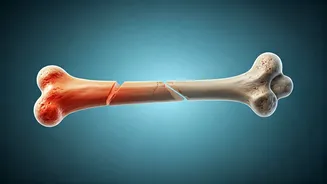
As women approach and move through menopause, their bodies experience a significant drop in estrogen, which directly impacts bone density and increases
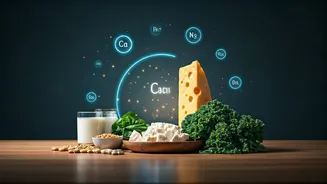
the risk of osteoporosis. Calcium plays a pivotal role in maintaining strong bones. While dairy products are well-known sources, other excellent options include leafy greens like kale, edamame, and fortified plant-based milks. For those struggling to meet their calcium needs through diet alone, supplements can be considered, but it's crucial to avoid excessively high doses, which can lead to kidney stones or heart issues. To maximize absorption, calcium intake should be spread throughout the day rather than consumed all at once. Experts suggest aiming for 1,000 mg of calcium daily until age 50, increasing to 1,200 mg thereafter, though this may need to be adjusted based on individual menopause timing. If dietary intake is inconsistent, having a calcium supplement handy can serve as a reliable backup to prevent the body from drawing calcium from the bones.
Vitamin D's Crucial Role
Vitamin D deficiency becomes more common with age, not just due to less sun exposure in winter, but also because aging skin is less efficient at producing it. Furthermore, the kidneys' ability to activate vitamin D diminishes, hindering calcium absorption. This is particularly concerning for postmenopausal women, as low vitamin D levels exacerbate bone loss. While the recommended daily intake for women aged 40-50 is 600 IU, it increases to 800-1,000 IU for those over 50. Fatty fish like mackerel and sardines are prime food sources, alongside fortified milk and other beverages. If considering a supplement, it's advisable to get your vitamin D levels checked first; a blood test can help determine if a high 'loading dose' is needed initially, followed by a lower 'maintenance dose'.
The Importance of B12
The body's capacity to absorb vitamin B12 declines with age due to natural changes in the gastrointestinal tract, specifically a reduction in stomach acid production essential for releasing B12 from food proteins. This issue commonly affects individuals over 60, with a notable percentage of postmenopausal women experiencing a deficiency. While the general recommendation for adult women is 2.4 micrograms (mcg) daily, older adults may need 10-12 mcg to ensure adequate intake. Vitamin B12 is primarily found in animal products such as eggs, fish, and dairy. For those who limit these foods or have conditions affecting absorption, B12 supplements are a valuable alternative, as the B12 in supplements is more readily absorbed without the need for stomach acid.
Magnesium for Well-being
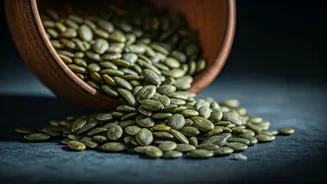
Magnesium levels can decrease during and after perimenopause, mirroring the decline in estrogen, which aids in magnesium absorption and retention. Adequate magnesium intake is vital for preventing bone loss, as it supports vitamin D activation and, consequently, calcium absorption. It also helps mitigate common menopausal symptoms like hot flashes and night sweats, and can improve insulin resistance. Studies indicate a significant percentage of postmenopausal women diagnosed with osteoporosis also have a magnesium deficiency. The recommended daily intake for women over 31, including those over 51, is 320 mg. Magnesium is abundant in high-fiber foods like leafy greens, legumes, nuts, seeds, and whole grains, as well as fortified cereals. Supplements are generally not necessary unless a deficiency is confirmed by a blood test and advised by a healthcare provider.