




Fiber: The Gut's Best Friend
Fiber is foundational for a healthy digestive system, acting as essential fuel for beneficial gut bacteria and promoting regular bowel movements. Insoluble
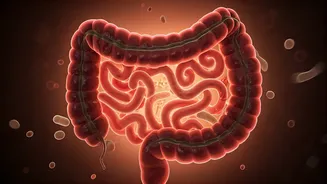
fibers add bulk to stool, aiding in smooth passage and potentially reducing the risk of colorectal cancer by preventing prolonged contact with the colon. Soluble fibers, on the other hand, dissolve in the gut to form a gel, feeding beneficial bacteria and encouraging their proliferation over less desirable ones. This fermentation process by good bacteria produces short-chain fatty acids, vital nutrients that nourish colon cells. Prioritizing a diet rich in fruits, vegetables, whole grains, nuts, and legumes is crucial, as most individuals fall short of the recommended daily fiber intake. Incorporating a variety of these plant-based foods ensures a diverse range of fibers to support a robust and balanced gut microbiome, contributing to overall health and disease prevention.
Hydration's Crucial Role
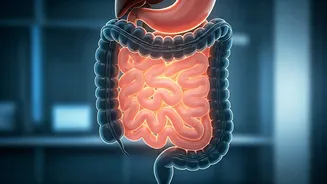
Adequate hydration is paramount for smooth digestive function, acting as a lubricant that allows food and waste to move efficiently through the gastrointestinal tract. Insufficient fluid intake can exacerbate constipation, particularly when combined with a high-fiber diet, as fiber requires water to effectively bind and propel waste. Starting the day with water is recommended to rehydrate the colon after a night's rest, combating the natural moisture absorption that can slow down bowel movements. Beyond regularity, hydration plays a surprising role in managing acid reflux. Dehydration can diminish saliva production, which helps lubricate the esophagus and clear acid. By maintaining proper hydration, the body can continue producing sufficient saliva, potentially mitigating heartburn symptoms and supporting esophageal health. Aiming to sip water consistently throughout the day, rather than relying on strict glass counts, is a practical approach to ensure optimal internal lubrication and digestive ease.
Dietary Variety Matters
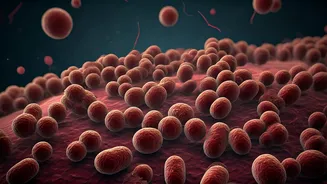
Embracing a wide array of plant-based foods is key to cultivating a diverse and thriving gut microbiome. The principle of 'eating the rainbow' is more than just visually appealing; it directly impacts the variety of beneficial bacteria residing in your gut. When you consume a broad spectrum of fruits, vegetables, grains, and legumes, you introduce different types of fibers and nutrients. These diverse fibers are then fermented by distinct bacterial strains, encouraging a wider range of microbes to flourish. Conversely, a limited diet, such as consuming only one type of fruit, may only feed specific bacteria, neglecting others and leading to a less varied microbial community. Beyond fiber, various plant compounds like polyphenols, known for their antioxidant properties, also serve as fuel for beneficial gut bacteria, further enhancing microbiome health. Therefore, intentionally incorporating over 30 different types of plants weekly can significantly boost gut flora diversity and resilience, promoting a healthier digestive ecosystem.
Antibiotics and Gut Impact
Antibiotics, while essential for combating bacterial infections, can significantly disrupt the delicate balance of the gut microbiome. Because many common antibiotics are broad-spectrum, they not only eliminate harmful bacteria but also decimate beneficial gut flora. This disruption can lead to an overgrowth of opportunistic pathogens like Clostridioides difficile, causing severe diarrhea and other gastrointestinal distress. It is crucial to take antibiotics only when absolutely necessary and prescribed by a healthcare professional, avoiding self-medication or using them for viral infections, which they do not treat. If antibiotic treatment is unavoidable, monitoring for digestive side effects like diarrhea is important. While antibiotic use can cause temporary imbalance, the gut is generally resilient and can recover over time, especially when supported by the other recommended gut-healthy practices such as increased fiber intake. Physicians are increasingly mindful of judicious antibiotic prescribing to preserve gut health.
Exercise for a Healthy Gut
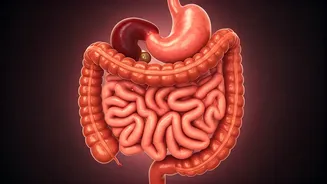
Physical activity offers substantial benefits for gut health by stimulating the digestive tract and positively influencing the gut microbiome. Regular movement encourages the muscles in the intestinal walls to contract, aiding the propulsion of food and waste, which helps maintain bowel regularity and prevent constipation. Beyond this mechanical effect, exercise, particularly aerobic training, has been linked to increased bacterial diversity in the gut. Studies suggest that moderate, consistent aerobic sessions, around 30 to 90 minutes done three to five times weekly, may yield the greatest improvements in microbial diversity. This enhanced diversity is considered a marker of a healthy gut. The mechanisms may involve changes in metabolic byproducts that promote the growth of beneficial bacteria. Even shorter durations, like 15 minutes of elevated heart rate activity a couple of times a week, can make a positive difference. Finding enjoyable activities like cycling, dancing, or kickboxing can make regular exercise a sustainable habit for gut well-being.
Sleep's Restorative Power
Sufficient and quality sleep is vital for maintaining a balanced and healthy gut microbiome. Research indicates that even a couple of nights of disrupted sleep can negatively alter the composition of gut bacteria, leading to a decrease in beneficial species and an increase in less favorable ones. Poor sleep can also exacerbate symptoms for individuals with pre-existing gastrointestinal conditions like IBS or inflammatory bowel disease. The impact of sleep deprivation on the gut is likely linked to the body's stress response; lack of sleep can activate the sympathetic nervous system, elevate cortisol levels, and trigger inflammation that is detrimental to gut health. Conversely, good sleep quality and sufficient duration are associated with greater microbial diversity. Prioritizing seven to nine hours of sleep per night and practicing good sleep hygiene, such as limiting screen time before bed, can significantly support gut health. The gut microbiome also plays a role in regulating circadian rhythms, highlighting the bidirectional relationship between sleep and digestive health.
Stress Management Strategies
Managing stress is paramount for gastrointestinal well-being due to the intricate connection between the brain and the gut, known as the gut-brain axis. Emotional disturbances, particularly stress, can disrupt the normal functioning of the GI tract, leading to symptoms like diarrhea or constipation. Stress can overstimulate the nerves in the gut, causing discomfort and spasms that alter the speed of digestion. Furthermore, eating while stressed or distracted can impair digestive processes, reducing enzyme secretion and leading to bloating. Chronic stress may also negatively impact the gut microbiome, potentially shifting the balance towards harmful bacteria and weakening the gut lining. Implementing stress-reduction techniques such as meditation, deep breathing exercises, or yoga can help mitigate these effects. Even short periods of mindfulness can promote a more balanced nervous system response, benefiting both mental and digestive health.