



Nutritional Powerhouses Compared
Both olive oil and mustard oil offer significant health benefits, but their suitability varies based on individual needs, cooking habits, and even the prevailing
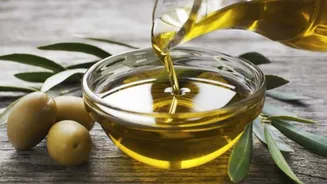
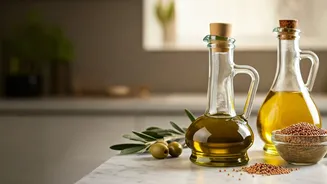
climate. Olive oil, particularly the extra virgin variety, is celebrated for its abundance of monounsaturated fats and potent antioxidants. These components are crucial for maintaining cardiovascular wellness, mitigating inflammatory responses within the body, and are a cornerstone of the renowned Mediterranean diet. It shines when used in applications such as salad dressings, light sautéing, and cooking at lower temperatures. Conversely, mustard oil stands as a time-honored staple in Indian kitchens. It is a rich source of omega-3 fatty acids and possesses natural antimicrobial properties. With a higher smoke point than olive oil, it is exceptionally well-suited for traditional Indian cooking methods like tempering (tadka), deep-frying, and high-heat searing. Furthermore, mustard oil is believed to aid digestion and improve blood circulation, especially during cooler periods.
Healthiest Oil for You?
Determining the absolute 'best' oil for health is nuanced, as no single option excels in all scenarios. A more practical and beneficial approach involves rotating between different oils rather than relying solely on one. Olive oil is recommended for preparations that involve consuming the oil raw or cooking at low temperatures. In contrast, mustard oil is the preferred choice for everyday Indian cooking that often involves higher heat. Ultimately, the quality and the amount of oil consumed play a more critical role in overall health than the specific type chosen. Prioritizing cold-pressed varieties, avoiding excessive heating that can degrade the oil, and maintaining a balanced intake of all fats are paramount for reaping the benefits without compromising well-being.
Selecting Wise Cooking Oils
When stocking your pantry, it's beneficial to opt for oils that predominantly feature 'good-for-you' fats and have a lower proportion of saturated fats. A selection of commonly recommended oils includes canola, corn, olive, peanut, safflower, soybean, sunflower, and vegetable oils. The American Heart Association (AHA) offers valuable guidance for utilizing these healthy oils in cooking. While these oils are generally safe for cooking, even at higher temperatures, the AHA advises against deep-fat frying as a consistently healthy practice. It's crucial to monitor your oil's condition: if it begins to smoke, it has reached its smoke point and started to degrade, indicating it should no longer be used. Similarly, discard any oil that develops an off-putting smell. Reusing or reheating cooking oil is strongly discouraged due to potential health risks. For optimal freshness and to prevent spoilage, purchase smaller containers if you don't use oil frequently, and always store your oils in a cool, dark place away from direct light and heat.