




Sculpted Lower Body
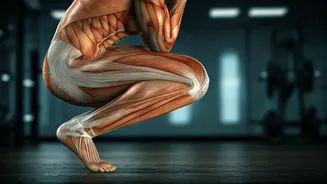
Committing to daily squats profoundly impacts the musculature of your lower half. This consistent effort directly targets the quadriceps, hamstrings, and
gluteal muscles, promoting muscle hypertrophy, which is the growth and development of muscle tissue. As a result, you'll observe a noticeable increase in muscle firmness and definition in your legs, while your glutes become more powerful and aesthetically lifted. This targeted development means not only do your legs look more toned, but they also gain functional strength, making everyday movements feel easier and more controlled. The repetitive nature of the exercise ensures continuous stimulation, leading to visible and tangible improvements over time in the overall shape and strength of your lower body.
Robust Core Power
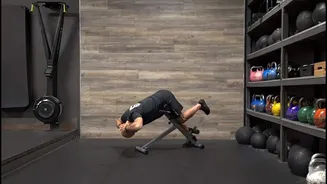
Beyond just leg development, the squat serves as a potent, often underestimated, core strengthening exercise. Maintaining an upright torso throughout the movement necessitates significant engagement from your abdominal and lower back muscles. When performed daily, these muscles are consistently trained to provide stability for your entire body. This regular activation leads to a more toned and cinched midsection, and crucially, enhances your overall balance. Improved core stability translates directly into better posture and reduced risk of back discomfort, making it easier to navigate daily activities with confidence and control. It's a functional exercise that builds a resilient foundation for your body.
Healthier Joints and Bones
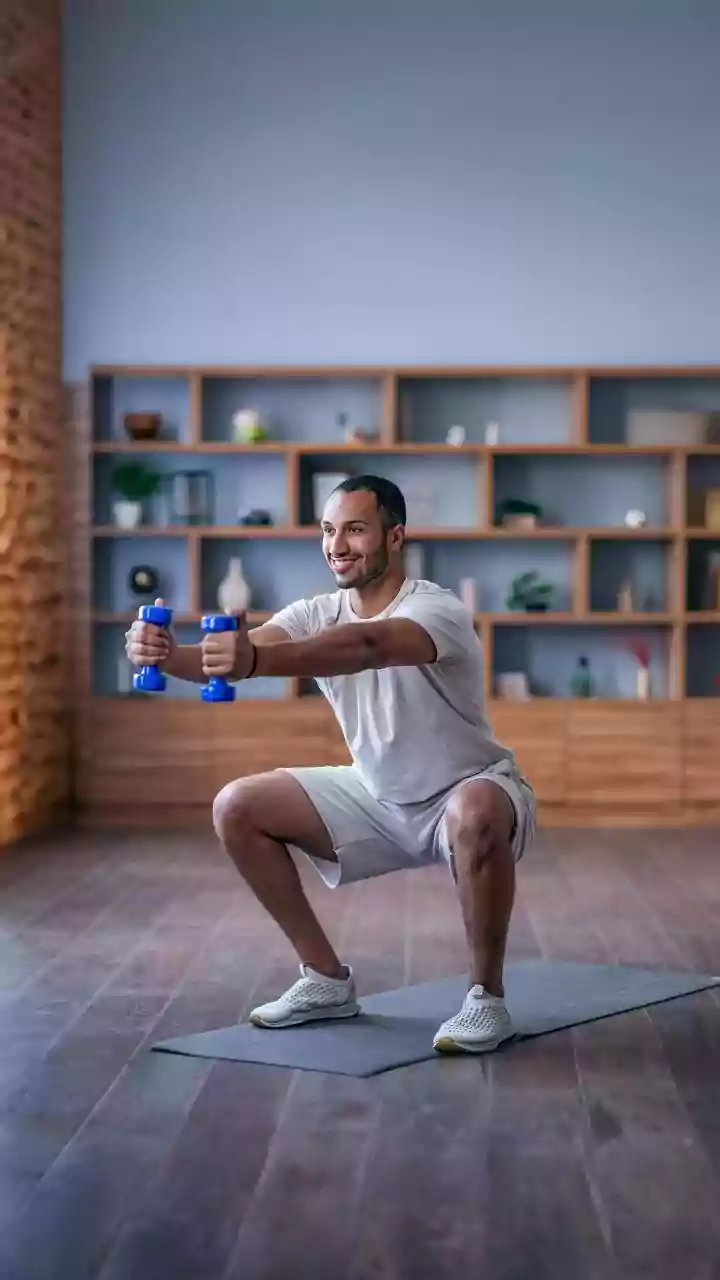
The act of squatting, whether performed with bodyweight or added resistance, exerts a beneficial stress on your skeletal system and connective tissues. This mechanical load stimulates bone growth, encouraging increased bone density, which is vital for long-term skeletal integrity. Simultaneously, the movement strengthens the ligaments and tendons surrounding your joints. This leads to more resilient ankles, knees, and hips, significantly contributing to improved mobility and reduced susceptibility to injuries as you age. By regularly challenging these joints in a controlled manner, you foster a healthier and more robust musculoskeletal framework, essential for maintaining an active lifestyle throughout your life.
Elevated Posture and Agility
Performing squats consistently enhances the range of motion required in your hips and ankles. Daily practice helps to lubricate these joints, increasing their suppleness, and also makes the surrounding muscles more flexible. Coupled with the strengthening of your core and back muscles, this improved mobility contributes to better overall posture. You'll likely find yourself standing taller with less tendency to slouch, a common issue for those with sedentary jobs. This enhanced flexibility and stronger postural alignment lead to greater physical ease and a more commanding presence, allowing for more fluid and efficient movement in everyday life.
Metabolic Engine Boost
Because squats engage some of the body's largest muscle groups, they demand a substantial amount of energy expenditure. By performing squats daily, you increase your overall muscle mass. Since muscle tissue is metabolically more active than fat tissue, it burns more calories even when your body is at rest. This sustained increase in your metabolic rate aids significantly in weight management efforts, helping your body become more efficient at utilizing energy. It’s a powerful way to enhance your body’s calorie-burning capacity, contributing to a healthier metabolism and supporting your fitness goals beyond just the workout itself.