






Fat Distribution Matters
When we talk about weight, it's easy to get fixated on a number on the scale or a BMI reading. However, the reality of weight management is far more nuanced.
Not all body fat carries the same implications for our health, and where fat accumulates can significantly alter our risk for various health issues. Some individuals tend to store excess weight around their midsection, while others might find it settles more in their hips and thighs. Recognizing these distinct patterns is a crucial first step towards adopting health strategies that are truly effective and personalized, moving away from generic advice towards solutions that address individual physiological needs.
Diverse Obesity Forms
Obesity isn't a monolithic condition; it manifests differently from person to person, largely due to how and where excess fat is distributed throughout the body. According to experts, common classifications include abdominal or central obesity, characterized by fat accumulation primarily around the stomach area. Peripheral obesity, on the other hand, sees fat settling more around the hips, thighs, and buttocks. Then there's generalized obesity, where the excess fat is spread more uniformly across the entire body, not confined to a specific region. Understanding these classifications helps in better assessing health risks, as different fat distribution patterns are linked to varying medical concerns, making a one-size-fits-all approach to weight and health inadequate.
Abdominal vs. Peripheral
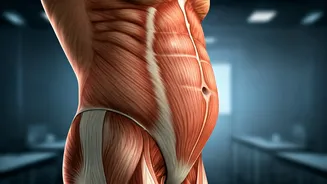
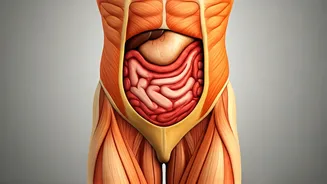
Delving deeper into specific types, abdominal obesity, also known as central obesity, is of particular concern because the fat is concentrated in the abdominal region, close to vital organs. This type of fat, especially visceral fat that surrounds internal organs, is strongly linked to an increased risk of serious health conditions like heart disease, type 2 diabetes, and other metabolic disorders. In contrast, peripheral obesity involves fat deposition primarily in the lower body, such as the hips, thighs, and buttocks. While still a form of obesity, it is generally considered less immediately dangerous than abdominal fat, as it doesn't pose the same direct threat to metabolic health and organ function, though it still warrants attention for overall well-being.
Assessing Obesity Risks
Doctors employ a multifaceted approach to assess obesity and its associated health risks, moving beyond a simple BMI calculation. While BMI provides a general categorization, a more comprehensive evaluation includes measuring waist circumference, which offers insight into abdominal fat levels, and examining body fat distribution patterns. Furthermore, healthcare professionals consider a range of other influential factors such as an individual's lifestyle habits, presence of hormonal imbalances or conditions, overall metabolic health, and current physical activity levels. This holistic assessment allows for a more accurate understanding of an individual's health profile and potential vulnerabilities.
Genetic & Lifestyle Roles
The question of why fat accumulates differently in individuals often leads to discussions about genetics. Indeed, our genetic makeup can significantly influence where and how our bodies store fat, predisposing some to store more around the abdomen while others store it in their lower extremities. Genes also play a role in regulating metabolism and appetite. However, it's crucial to remember that genetics is only one piece of the puzzle. Lifestyle factors—including diet quality, the amount and type of physical activity, adequate sleep, and effective stress management—remain paramount in determining overall weight and health outcomes, often overriding purely genetic predispositions when addressed proactively.
Tailored Weight Management
Given the varied nature of obesity, weight management strategies must be individualized, recognizing that a one-size-fits-all approach rarely yields optimal results. Tailoring interventions based on the specific type of obesity and an individual's unique metabolic profile is key. For those with abdominal obesity, for instance, targeted lifestyle changes are often recommended. These commonly include reducing intake of refined carbohydrates, increasing consumption of protein and fiber-rich foods, engaging in regular aerobic exercises, and incorporating strength training to build muscle mass. These personalized adjustments aim to improve metabolic health and reduce specific health risks.
Preventing Fat Accumulation
Proactive prevention of unhealthy fat accumulation hinges on the adoption of consistent, healthy daily habits. Maintaining a balanced lifestyle is fundamental. This involves embracing a nutrient-rich diet composed of whole grains, abundant fruits, and vegetables, while consciously limiting processed foods and sugary beverages. Regular physical activity, combining both cardiovascular workouts and strength training, is also essential. Beyond diet and exercise, crucial lifestyle elements include ensuring sufficient sleep and effectively managing stress. Monitoring waist circumference can also serve as an early indicator, helping to detect and address potential unhealthy fat buildup before it escalates.