





Detox: Fact vs. Fiction
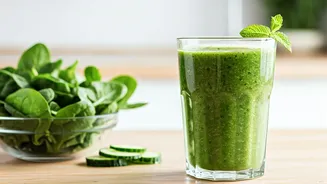
Detox diets have become incredibly popular, promising quick fixes and a way to rid the body of toxins. However, the concept of detox is often misunderstood.
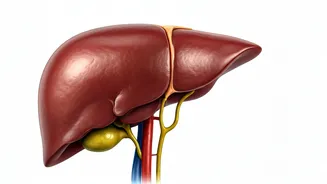
Our bodies are already equipped with a robust detoxification system, primarily the liver and kidneys, that works constantly to filter waste and harmful substances. The liver processes toxins, while the kidneys filter blood. Despite the claims, many so-called detox diets lack scientific backing. They often involve restrictive eating plans that can be low in essential nutrients, potentially causing more harm than good. Instead of focusing on extreme cleanses, a healthy lifestyle that supports the body's natural detoxification processes is crucial. This includes a balanced diet, regular exercise, adequate hydration, and sufficient sleep.
The Real Deal: Nutrition
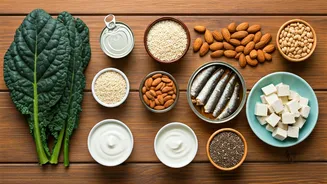
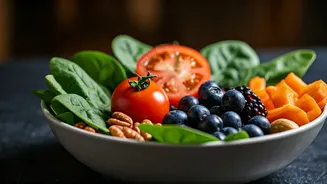
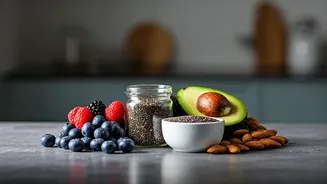
The cornerstone of true detoxification and overall well-being is nutrition. A balanced diet rich in essential nutrients, including vitamins, minerals, and antioxidants, plays a vital role in supporting the body's natural detoxification pathways. Foods such as fruits, vegetables, whole grains, and lean proteins provide the fuel your body needs to function optimally. Antioxidants, found in abundance in colorful fruits and vegetables, help combat free radicals, protecting cells from damage. Fiber-rich foods promote healthy digestion, aiding in the elimination of waste. Focusing on whole, unprocessed foods rather than following restrictive diets ensures your body receives the necessary nutrients to function effectively and maintain its natural detoxification processes. Eating mindfully and choosing nutrient-dense foods are more beneficial than any specific detox plan.
Hydration is Key
Proper hydration is an indispensable aspect of a healthy lifestyle. Water supports the body's natural detoxification mechanisms in several ways. It aids kidney function, which is critical for filtering waste and toxins from the blood. Drinking adequate amounts of water helps flush out these harmful substances. Water is also essential for maintaining healthy digestion and preventing constipation, allowing the body to eliminate waste efficiently. Beyond the basic benefits, staying hydrated can improve energy levels, skin health, and overall well-being. Aim to drink an adequate amount of water throughout the day, and listen to your body's signals of thirst, to ensure you are meeting your hydration needs and supporting your body's natural cleansing abilities.
Debunking Detox Myths
Many myths surround the concept of detox. One common misconception is that specific foods or drinks can magically cleanse the body of toxins. While certain foods support healthy liver and kidney function, no single food or drink can perform a complete detox. Similarly, the idea that the body needs a 'boost' from external detox products is often misleading. The liver and kidneys are incredibly efficient at their jobs, and the body generally does not require extra help. Another myth is that detoxing can lead to rapid weight loss. While some detox diets may initially result in weight loss due to reduced calorie intake or fluid loss, this is usually temporary and unsustainable. The key takeaway is to be skeptical of promises that seem too good to be true and focus on sustainable, healthy habits rather than quick fixes.
Beyond Detox Culture
It is important to differentiate between the often-hyped detox culture and real, evidence-based nutrition. Detox culture often promotes restrictive diets, expensive supplements, and unrealistic claims. These practices can be harmful and may lead to nutritional deficiencies or other health problems. In contrast, real nutrition emphasizes a balanced diet, whole foods, and healthy lifestyle habits. This approach prioritizes long-term well-being and supports the body's natural detoxification processes without resorting to extreme measures. Focusing on sustainable habits and making informed choices will empower you to prioritize your health, rather than chasing fleeting trends.