







Understanding IBS Needs
Managing Irritable Bowel Syndrome (IBS) requires a personalized approach to nutrition, focusing on symptom management and digestive comfort. This involves
identifying and avoiding trigger foods while emphasizing a balanced intake of nutrients. The goal is to reduce bloating, abdominal pain, and irregular bowel movements. Dietitians who specialize in IBS create meal plans tailored to individual needs, considering factors like food sensitivities, lifestyle, and dietary preferences. They often recommend the low-FODMAP diet or similar strategies to minimize digestive distress. Proper hydration, regular meal timings, and stress management are equally important. These strategies can significantly improve the quality of life for individuals with IBS.
Breakfast Power-Ups
Breakfast is a critical meal, setting the tone for the entire day. Dietitians managing IBS often choose options that are gentle on the gut. Examples include lactose-free yogurt with chia seeds, offering a balance of fiber and healthy fats, while being easy to digest. Another choice is oatmeal made with water or a low-FODMAP milk alternative, topped with a small amount of fruit. Eggs, prepared without added fats or irritants, can also provide protein. The key is to start the day with meals that are easily tolerated and provide sustained energy, avoiding common triggers like excess fiber or high-sugar items. These choices aim to stabilize blood sugar levels and keep symptoms at bay throughout the morning.
Lunchtime Made Simple
Lunch is the next key meal, and it needs to be practical, quick, and IBS-friendly. Salads are a versatile option, built with a base of spinach or romaine lettuce (choose carefully to avoid sensitivities), plus grilled chicken or fish for protein. Simple dressings made with olive oil and lemon juice are usually safe. Another choice is a small serving of lentil soup or a vegetable stew that is both filling and nutritious, if lentils are tolerated. Leftovers from dinner can be a lifesaver, ensuring a ready meal. It's important to be mindful of portion sizes and avoid overly processed foods. Focus on preparing meals in advance to maintain a healthy diet, especially during busy workdays.
Dinner: Easy and Safe
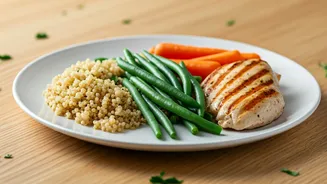
Dinner allows for a more relaxed approach, often with careful cooking. Baked salmon with roasted vegetables can be an excellent choice, as can be lean chicken or turkey with steamed rice. Avoiding heavy sauces and spices is essential. Tacos, perhaps made with pumfu (a plant-based protein) in low-FODMAP corn tortillas, offer a customizable option. It's often helpful to include a variety of colors from vegetables, providing a range of nutrients. Portion control is also important, ensuring that you don't overeat, which can trigger symptoms. Preparing food at home is usually the best approach, so you can control ingredients and ensure your dinner is IBS-friendly. Plan and prepare your meals, and this can save time.
Snacks for Comfort
Snacking is an important aspect of managing IBS, as it helps maintain stable blood sugar levels and prevents overeating at meals. Options should be chosen carefully to avoid triggering symptoms. Plain rice cakes with a small amount of avocado, a few gluten-free crackers, or a small handful of IBS-friendly nuts or seeds are usually good choices. A piece of low-FODMAP fruit like a banana or a few strawberries can satisfy a sweet craving without causing digestive issues. It's crucial to select snacks based on personal tolerance and to limit portion sizes. Proper hydration is also essential, so always keep a bottle of water close by.
Drinks to Consider
Hydration is essential for those with IBS. Drinking enough water can help with digestion and prevent constipation, which is a common IBS symptom. In addition to plain water, herbal teas without caffeine can be soothing, such as peppermint or ginger tea, which can also aid digestion. Limiting caffeinated beverages and carbonated drinks is usually recommended, as they can exacerbate symptoms. It’s also wise to limit sugary drinks, as the sugar can fuel gut bacteria and lead to digestive issues. When in doubt, stick to plain water and listen to your body’s responses to different beverages.
Meal Prep Efficiency
Meal prepping is a game changer for people with IBS, as it ensures that you have healthy, IBS-friendly meals ready to go, even during the busiest weeks. Plan your meals for the week, create a grocery list, and cook multiple portions of meals at once. Pre-chopping vegetables, preparing grains, and portioning snacks will save you considerable time during the week. Consider what food items are best frozen and reheat well, so you always have meals ready to go. You can also mix and match ingredients, so you have variety but don't need to cook new meals every day. Preparing your own food allows control over ingredients and helps manage IBS symptoms effectively.
Mindful Eating Habits
Practicing mindful eating habits can greatly improve how well you manage your IBS symptoms. Eat slowly, paying close attention to flavors, textures, and the signals your body sends you about fullness. Avoid eating while distracted, such as in front of the television, as this can lead to overeating or eating trigger foods. Creating a calm environment at mealtimes can help improve digestion. Stress can worsen IBS symptoms, so try to take a moment before eating to relax and take a few deep breaths. These practices help your body prepare for digestion and may help reduce symptoms.