






The Danger Zone Explained
Food safety hinges on understanding how harmful microorganisms thrive. Bacteria, viruses, and parasites are the culprits behind food poisoning, and they
can enter your food through various means, including cross-contamination during preparation, insufficient cleaning of ingredients, or even direct contact with germs from everyday surfaces. Maintaining a clean kitchen, practicing diligent handwashing, being aware of food recalls, and sanitizing utensils that have touched raw foods are crucial steps in minimizing the introduction of these dangerous pathogens. However, the most critical period for bacterial growth occurs when food is in the 'danger zone,' a temperature range between 40 and 140 degrees Fahrenheit. During this time, any bacteria present can multiply rapidly, with some species doubling their numbers in as little as 20 minutes. The longer food lingers in this temperature range between cooking and cooling, the greater the risk of significant bacterial contamination and the potential formation of heat-resistant toxins and spores.
Reheating: What It Does
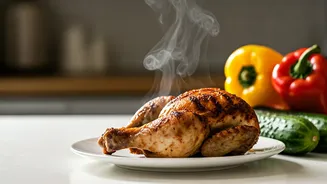
While reheating leftovers can certainly make them more palatable and kill off many active bacteria, it's a misconception to view it as a definitive solution for extending food's safety. Food safety specialists emphasize that heating food to the recommended 165 degrees Fahrenheit effectively neutralizes most bacteria. However, certain resilient toxins and spores, such as those found in rice (Bacillus cereus) or meat-based casseroles (Clostridium perfringens), are heat-resistant and will persist even after reheating. Therefore, reheating reduces the risk of foodborne illness but does not entirely eliminate it. Furthermore, the act of reheating itself presents another opportunity for food to re-enter the temperature danger zone during the cooling process. Each cycle of heating and cooling cumulatively increases the overall risk. To mitigate this, it's advisable to reheat only the portion you intend to consume immediately and to refrigerate any remaining food as promptly as possible after the initial cooking.
Maximizing Leftover Freshness
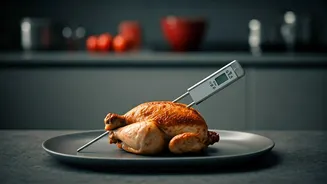
Achieving an extended lifespan for refrigerated leftovers isn't about a magical reset, but rather about meticulous adherence to proper food handling and cooling practices. While quick cooling methods can shave off time spent in the temperature danger zone, they don't completely eliminate it. This means absolute certainty about safety is never guaranteed, especially since the bacteria responsible for foodborne illnesses are invisible. When in doubt, it's best to discard any food that exhibits signs of spoilage, such as an off-putting smell, slimy texture, or discoloration. Beyond vigilant storage, ensure your initial cooking methods are sound, and always reheat leftovers to a minimum of 165 degrees Fahrenheit, using a food thermometer to confirm consistent temperature throughout the dish before eating. For significantly longer storage, freezing remains a reliable option, allowing you to preserve food for extended periods without the associated health risks of prolonged refrigeration.