






Calorie Myths Debunked
The common belief that everyone absorbs the exact same number of calories from identical foods is a pervasive myth. Our understanding of nutrition is evolving,
revealing how factors like digestion, the gut microbiome, and the very structure of food play a crucial role in determining the energy our bodies actually extract. This perspective shifts the focus from simple calorie counting to a more nuanced appreciation of individual biology and food composition. Essentially, a 'calorie' is a unit of energy derived from food, but our capacity to break down and absorb that energy varies significantly from person to person. If our bodies cannot fully digest a food component, the potential calories within it remain unabsorbed and pass through. This means the calories we 'count' are only those that our digestive system successfully processes and makes available for our body to use.
Gut Microbiome's Influence
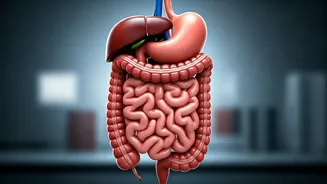
While the majority of calorie absorption occurs in the small intestine, the colon plays a role in extracting energy from undigested components, particularly fiber. The unique composition of each individual's gut microbiome means some people are more adept at deriving energy from the same meal than others. This efficiency is linked to the balance of microorganisms within the gut; for instance, a higher presence of methane-producing bacteria can enhance energy extraction from high-fiber diets. The short-chain fatty acids produced by these bacteria can contribute a notable percentage to our daily caloric intake. Consequently, variations in gut microbiome makeup can lead to differing amounts of absorbed calories between two people consuming the identical food. For example, the efficiency with which energy is extracted from foods like baked potatoes, which contain resistant starch, can vary based on the specific bacteria present in an individual's microbiome, potentially influencing body composition.
The Role of Enzymes
Digestive enzymes are critical proteins that facilitate the breakdown of food in the small intestine, originating from the pancreas, mouth, stomach, and intestine itself. Specific enzymes target different macronutrients: lipase for fats, amylase for carbohydrates, and proteases/peptidases for proteins. When these enzymes are insufficient or absent, the body struggles to break down sugars, fats, proteins, and dairy products, thereby hindering calorie absorption. Health conditions such as congenital sucrase-isomaltase deficiency, exocrine pancreatic insufficiency, and lactose intolerance are prime examples where enzyme deficiencies prevent proper digestion and subsequent calorie uptake. For instance, lactose intolerance means the body lacks sufficient lactase to break down lactose, the sugar found in dairy.
Health Conditions & Absorption
Beyond enzyme deficiencies, various other diseases and disorders can significantly impact calorie extraction. Conditions like celiac disease, Crohn's disease, and Irritable Bowel Syndrome (IBS) can lead to malabsorption, meaning individuals absorb fewer nutrients and calories from the same meal compared to those without these conditions. In celiac disease, consuming gluten triggers an immune response that damages the villi in the small intestine, which are essential for nutrient absorption, thus reducing the absorptive surface area. Crohn's disease also affects the villi. IBS, on the other hand, can accelerate gastrointestinal transit time due to increased contractions, preventing food from adequately contacting the intestinal lining for sufficient calorie absorption.
Metabolism's Dynamic Nature
The concept of weight loss often relies on the simple equation of consuming fewer calories than expended. However, metabolism, regulated by the thyroid and hypothalamus, is a dynamic system that adjusts based on food intake. When a significant calorie deficit is maintained, the body can interpret this as starvation and automatically adapt by increasing the efficiency of energy utilization. This results in a decrease in the basal metabolic rate, meaning the body attempts to 'make do' with the limited energy available by absorbing more calories from the food consumed. This metabolic adjustment is a primary reason why individuals often encounter weight loss plateaus during dieting efforts.
Rethinking Nutrition Approach
For individuals without diagnosed medical conditions affecting digestion, the variability in calorie absorption is generally not a cause for significant concern. The emphasis should remain on consuming nutrient-dense, high-quality foods rather than fixating on precise calorie absorption comparisons with others. Conceptually, however, this understanding has profound implications: calories are not a fixed energy measure for everyone. Instead, individual biology and food structure influence absorption, advocating for a more personalized approach to nutrition and weight management. This perspective liberates us from the rigid confines of calorie counting, allowing for a more intuitive way of eating that prioritizes internal body signals and how food makes us feel, rather than solely relying on external numerical values.