






The Study's Core Findings
A significant observational study, involving nearly 200,000 adults, has revealed that the impact of low-carbohydrate diets on heart health isn't inherently
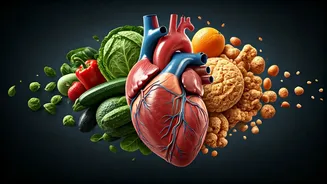
positive or negative. The research, led by Dr. Qi Sun, a nutrition and epidemiology specialist from Harvard, indicates that the true determinant of cardiovascular health lies in the overall quality of one's diet. Specifically, when low-fat and low-carbohydrate diets are rich in plant-based foods, whole grains, and unsaturated fats, they are associated with a reduced risk of coronary heart diseases. Conversely, the study highlighted that diets high in refined carbohydrates, animal-based fats, and proteins were linked to an increased likelihood of these conditions. This emphasizes that focusing on nutrient-dense, wholesome foods is more critical than rigidly adhering to macronutrient restrictions, a common approach for weight loss and blood sugar management that often sparks debate about its cardiac implications.
Sustainability in the Indian Context
For many in India, where traditional meals heavily feature rice or roti, adopting a carb-free or low-carb lifestyle presents considerable sustainability challenges. Experts note that completely eliminating carbohydrates can render meals monotonous and difficult to maintain long-term. This dietary shift can lead to adverse effects such as fatigue, headaches, mood swings, and digestive issues due to the deficiency of essential vitamins, minerals, and fiber typically obtained from fruits, vegetables, and grains. Furthermore, individuals might experience a lack of energy for physical activities. While initial weight loss might occur, sustaining it proves arduous. A more balanced dietary approach, incorporating moderate portions of healthy carbohydrates, sufficient protein, and healthy fats, is generally easier to adhere to, provides sustained energy, and better supports overall health in the long run.
Balancing Benefits and Risks
When considering a zero-carb diet, it's essential to weigh its potential advantages against its significant drawbacks. On the beneficial side, this diet can facilitate rapid weight loss as the body begins to utilize stored fat for energy instead of glucose. It may also lead to lower blood sugar and insulin levels, which can be advantageous for individuals managing diabetes. Some people also report experiencing reduced hunger pangs. However, the risks are substantial. Common side effects include tiredness, headaches, dizziness, and constipation, primarily due to the lack of dietary fiber. Over an extended period, a zero-carb diet could potentially lead to nutritional deficiencies, compromised bone health, and even cardiovascular problems. The difficulty in maintaining such a restrictive diet can also negatively impact mood and overall energy levels, underscoring the importance of a balanced dietary strategy.