





The Nutritional Connection
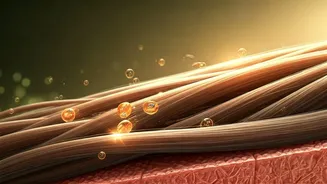
Hair thinning, a concern often associated with later years, is increasingly prevalent among younger adults. While numerous topical solutions promise quick
fixes, the underlying causes of hair loss are frequently multifactorial, encompassing poor dietary habits, elevated stress levels, hormonal imbalances, and lifestyle shifts. Addressing hair fall effectively necessitates a holistic strategy that integrates various elements. Central to this approach is understanding the direct impact of nutrition. Deficiencies in key micronutrients, such as iron (specifically ferritin levels), zinc, vitamin D, and B12, alongside folate, are strongly correlated with increased hair shedding. For hair loss resulting from stress, illness, or rapid weight reduction, often termed telogen effluvium, rectifying these nutritional imbalances through dietary adjustments and appropriate supplementation can lead to a reversal of the condition.
Beyond Deficiencies
While nutritional deficits are significant contributors to hair thinning, it's crucial to recognize that nutrition alone cannot resolve all forms of hair loss. For instance, genetic conditions like androgenetic alopecia, characterized by hormone-induced follicle miniaturization, typically require different treatment modalities. Relying solely on aggressive market solutions that aim to block hormones indiscriminately or overload the body with unguided nutrient supplements is often unsustainable and ineffective in the long run. A more balanced perspective focuses on supporting overall hormonal health, such as maintaining optimal testosterone levels and regulating its conversion to DHT without disrupting normal bodily functions. The most effective management strategy for hair thinning often involves an early medical intervention combined with nutritional support, lifestyle corrections, and targeted therapies.
Essential Nutrients for Hair
Dermatologists emphasize that common nutrient deficiencies, including low levels of iron, vitamin D, vitamin B12, zinc, and protein, are frequently linked to diffuse hair thinning, particularly observed in women. When these deficiencies are identified and corrected, a noticeable improvement in hair density and a reduction in shedding can often be achieved over time. Protein is particularly vital as the primary building block of hair shafts, composed mainly of keratin. Consequently, severe calorie restriction or diets lacking adequate protein can precipitate telogen effluvium, leading to an increased shedding phase. Even iron deficiency, independent of diagnosed anemia, stands as a common and reversible factor in hair loss. Therefore, nutrition plays a critical role primarily when hair thinning stems from dietary inadequacies or poor eating patterns.
Dietary Foundations
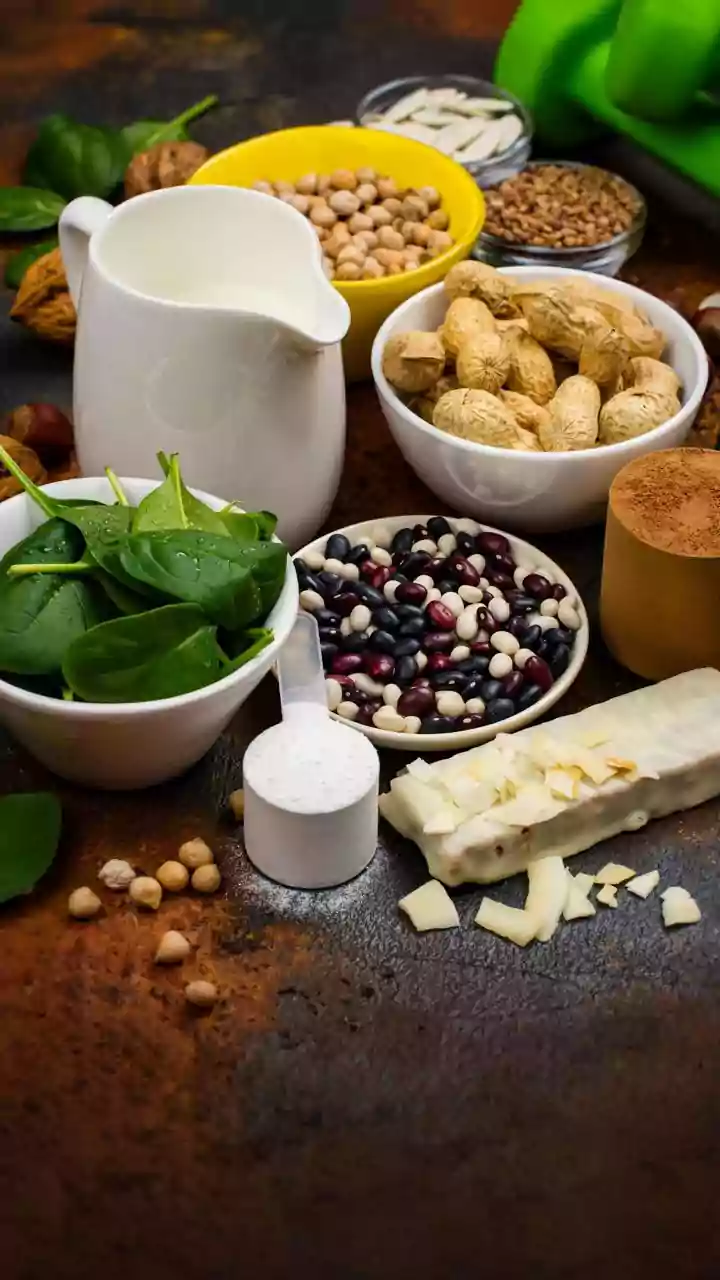
For conditions such as androgenetic alopecia, nutrition's role shifts towards supporting overall hair quality rather than completely reversing the condition; these cases generally necessitate medical treatments like minoxidil or other specialized therapies. The bedrock of robust hair health is a well-rounded diet. This includes an abundance of lean proteins, vibrant green leafy vegetables, nutrient-dense nuts and seeds, a variety of fruits, and sufficient hydration. It is imperative that any supplementation be guided by a healthcare professional after a thorough assessment, rather than engaging in haphazard self-prescribing. Many individuals express concern about hair thinning and seek dietary solutions. While food may not always fully restore lost hair, it can significantly slow down the thinning process and enhance hair health from within. Given that hair is predominantly protein, insufficient intake of protein, iron, zinc, and essential vitamins can weaken hair follicles, making them more susceptible to damage and loss. Similarly, inadequate iron and vitamin D levels are known to exacerbate hair fall.
Holistic Hair Care
To foster healthy hair follicles and nourish your hair from the inside out, embrace a diet rich in protein, whole grains, nuts, seeds, leafy greens, fruits, and beneficial healthy fats. Instead of resorting to supplements without professional guidance, consulting an expert for personalized advice is the most prudent approach. In conclusion, nutrition can make a substantial positive impact on hair thinning, particularly when nutritional deficiencies are the root cause. However, it is most effective when integrated as a component of a broader dermatological treatment plan, rather than being viewed as an isolated remedy. This integrated strategy ensures a comprehensive approach to managing hair thinning and promoting overall hair vitality.