




Curd's Cholesterol Connection
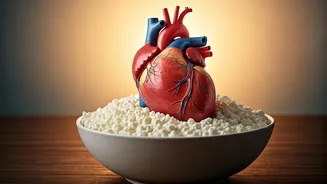
Curd, a long-standing staple in Indian households, has gained recent recognition for its potential heart-healthy properties, particularly in managing cholesterol.
While not a standalone solution for high cholesterol, its inclusion in a balanced diet can be supportive. The key lies in the beneficial probiotics that curd harbors. These beneficial microorganisms contribute to a healthier gut microbiome, which in turn is thought to play a role in regulating lipid metabolism. While curd doesn't directly remove cholesterol from the bloodstream, it assists the body's natural processes that govern cholesterol levels, offering a gradual benefit over time as part of a consistent dietary approach.
Choosing the Right Curd
The type of curd you consume significantly impacts its cholesterol benefits. Opting for full-fat varieties can inadvertently increase your intake of saturated fats, which can elevate LDL, often referred to as 'bad' cholesterol. For individuals concerned about cholesterol levels, switching to low-fat or toned curd is a highly recommended strategy. Research has indicated that regular consumption of probiotic yogurt, a form of curd, can lead to a reduction in both total cholesterol and LDL cholesterol. A study involving 274 participants with high cholesterol, published in 'Diabetes & Metabolic Syndrome: Clinical Research & Reviews,' found that consistent intake for over four weeks yielded the most significant benefits, emphasizing that making curd a daily habit is more impactful than occasional consumption.
Pairing Curd Wisely
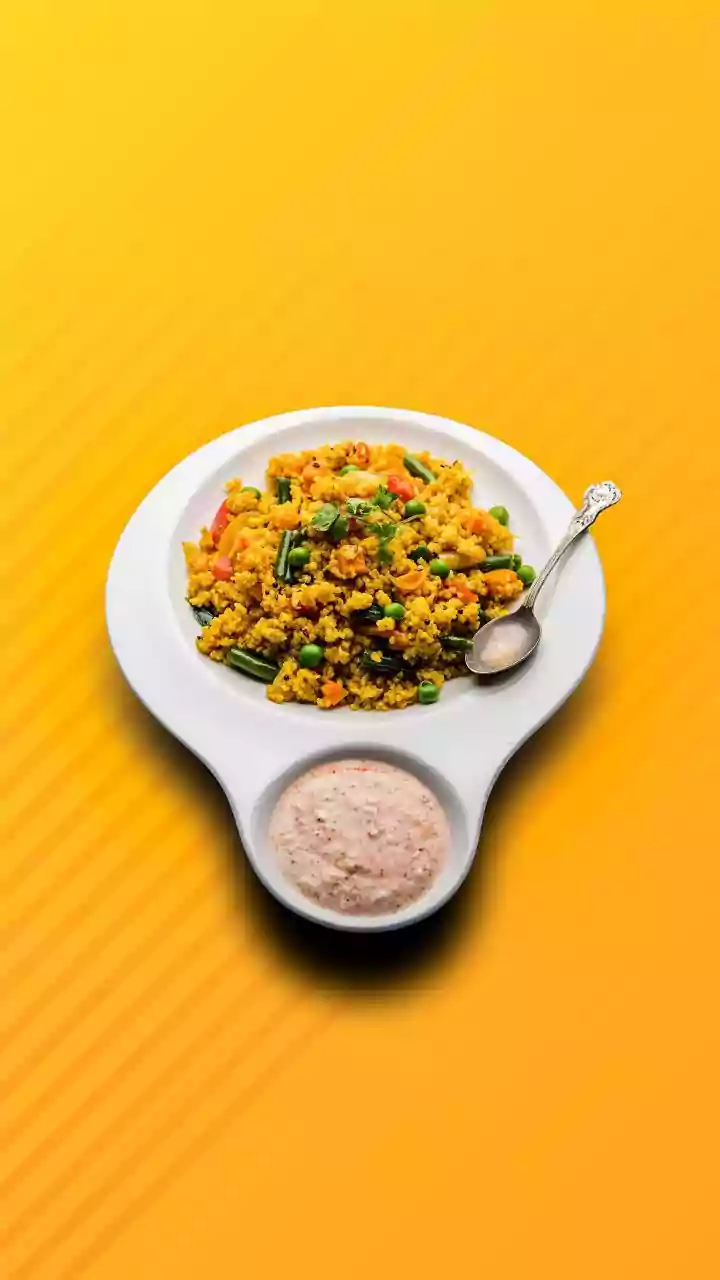
To maximize the heart-health advantages of curd, it's crucial to integrate it into a well-rounded dietary plan. Experts suggest complementing curd with foods rich in dietary fiber, such as whole grains, an abundance of fruits, various vegetables, and nuts. This combination enhances the overall nutritional profile and supports cardiovascular health. For those seeking to manage calorie intake, particularly when consuming rich dressings or desserts, a simple substitution with a bowl of fresh curd or a glass of buttermilk can be a healthier alternative without necessitating a complete dietary overhaul. This approach ensures that curd contributes positively without overwhelming the system.
Curd as a Complement
It is essential to understand that curd's role in cholesterol management is supplementary, not curative. Its benefits are most pronounced when it complements other crucial lifestyle factors. If other habits are contributing to elevated cholesterol, curd alone will not suffice. Maintaining a healthy weight, engaging in regular physical activity, and adopting a diet that is low in processed and fried foods are paramount. Curd can be an excellent addition to this holistic approach, supporting overall health and well-being without being the sole intervention. It acts as a valuable component of a proactive strategy for controlling cholesterol levels.