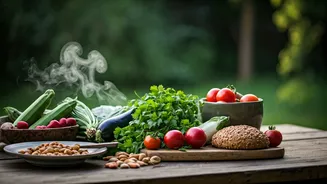







Local Ingredients Shine
A significant evolution in wellness retreat dining is the profound emphasis on locally sourced ingredients. Retreats are increasingly prioritizing foods
that are native to their region, recognizing that freshness and proximity naturally enhance flavor and nutritional value. This approach not only supports local economies but also guarantees that guests receive produce at its peak. For instance, at one Greek retreat, the executive chef notes that the exceptional quality of local ingredients, such as fresh fruits, vegetables, and even regional meats like lamb and rooster, requires minimal intervention. These ingredients are packed with essential nutrients, lean proteins, beneficial fats, and minerals, contributing to muscle health, bone strength, and cognitive function. The assurance of animals being raised without hormones or antibiotics further elevates the quality and perceived benefits of these local meats. This philosophy stems from the understanding that when ingredients are inherently good, they naturally deliver deliciousness and vital nutrients without the need for excessive salt, sugar, or artificial additives, allowing the true essence of the food to take center stage.
Rooted in Culture
Beyond just locality, there's a burgeoning trend for wellness retreats to deeply integrate their food offerings with the cultural heritage of their surroundings. Guests are increasingly seeking authentic culinary experiences that reflect the local identity rather than generic 'health food.' Retreats are responding by crafting menus that honor time-tested regional recipes. For example, a Costa Rican retreat champions its nation's rich culinary traditions, featuring dishes like sustainably caught linefish casado—a classic meal of fish, rice, beans, and plantains—and fresh market mangoes prepared simply. This movement signifies a departure from the often overcomplicated and trend-driven perception of wellness food. Chefs are realizing that the integrity and inherent quality of indigenous ingredients are paramount, and that these can be transformed into satisfying and delicious meals without succumbing to restrictive diets or labels. This cultural anchoring provides a sense of place and authenticity, making the wellness experience more holistic and deeply satisfying for guests who crave connection through cuisine.
Art of Slow Cooking
A resurgence in traditional cooking methods is a notable trend shaping the landscape of wellness retreat cuisine. Techniques that emphasize time, patience, and skill are being embraced to elevate the nutritional and sensory qualities of food. Slow cooking, a method with ancient roots, is a prime example. This process involves applying low heat over extended periods, which not only intensifies flavors but also significantly enhances the nutritional benefits of ingredients. By cooking proteins slowly, their structural integrity is maintained, leading to better nutrient absorption. Furthermore, slow cooking often negates the need for frying or excessive oils, as the inherent properties of the ingredients and the cooking method itself are sufficient to create rich, satisfying tastes. This focus on technique ensures that meals are both deeply flavorful and maximally beneficial, aligning perfectly with the wellness goals of guests who seek wholesome, nourishing, and restorative food experiences.
Ancestral Fire Cooking
Complementing the rise of slow cooking, many wellness retreats are reviving other ancestral culinary practices, such as wood-fired cooking, to harness natural flavors and preserve nutrient integrity. This ancient technique imbues food with a unique smoky essence and depth that is difficult to replicate. At one retreat in Costa Rica, the executive chef highlights wood-fired cooking as a method that supports longevity by enhancing flavors naturally and maintaining the wholeness of nutrients. This emphasis on traditional methods extends globally; in the Maldives, a popular tuna dish is prepared using precise Japanese techniques like sashimi-bōchō for optimal texture and appearance, alongside shiojime (salt curing) to concentrate flavor and improve texture. This global trend underscores a fundamental shift: a heightened awareness and focus on the sourcing of produce over the last decade. This meticulous approach allows the quality of local ingredients to be the star, celebrated through time-honored techniques that require minimal external manipulation, ensuring both exceptional taste and maximum health benefits.